A Better Way To Plan: Priorities and Processes

I woke up one morning and I made my list of everything that needed to happen that day. My biggest concern was my home renovation–there was a whole lot that I would have liked to get done before winter. I tried to create timelines and figure out how we could get it all done when I wanted to. The timelines never worked out right, and I found myself overwhelmed and stressed about the house. I wrote a to do list, but I had no motivation to complete it, so I did nothing.

My planning wasn’t working. I was sabotaging myself with it, and I needed a better way. And I think I found a better way.

First, this is what I need to get rid of:

  1. Yearly goal setting. It is usually too hard to plan out an entire year at a time. By the end of the year, I am always in a different place and my goals aren’t relevant anymore.
  2. Monthly goals. A month is usually too short to accomplish significant projects.
  3. Task-oriented planning with looming deadlines. Planning should include more than time-sensitive to-do lists. If that’s all I have, then I don’t really make any real personal progress. I get too attached to productivity, when most of my actual values are not related to being productive.
  4. Not allowing for flexibility. I’ve planned out days in 15-minute increments before. When I could follow that plan, it was awesome, but usually I need more flexibility than time stamping everything I need to do in a day. Like most people, I end up severely underestimating the time that something will take.

And now, this is my better way of planning:

Seasonal Planning

It’s pretty easy to divide up the calendar year into seasons or other sections, and life sort of falls nicely into those seasons (particularly if you and/or your kids are in school). I currently have my fall goals for September to December, and then I’ll set goals again from January to April, and then from May to August. (I could also do three-month periods instead of four-month periods, but the idea is still the same). Seasonal goals are less stressful for me because I have a longer time frame than with monthly planning and I’m able to think more about the structure of the projects I’m working on. And unlike year planning, I can usually forecast the next few months with some degree of accuracy.

Priorities and Values

I set productive goals (getting something done) and character goals (who I want to be). Character goals are important, but can be hard to quantify, and I actually still struggle with how to incorporate them into my planning.

But when I am planning, it is good to remember what I value and actually find important: my relationships with my Heavenly Father, my husband, my kids, other family members, and friends and neighbors. I also want to keep progressing and improving, becoming more patient and loving. My relationships suffer when I only focus on getting things done.

Then if I prioritize and order those productive goals, I can be more efficient by focusing on a few important things.

Usually I have a few different major projects in the seasonal planning, and then I can prioritize subtasks within those projects. I don’t like to have deadlines or a time frame, because I need more flexibility. I just need a general order of what to do next.

When I’m planning my week or my day, I look at the things that come next and write them down for easy reference. I write down more than what I think I can do in a week or a day–so I’m not trying to get everything done and checked off. I’m instead giving myself general guidance of what I could do.

Processes

Then I have to determine my processes. When and how am I going to work and when am I going to play? When can I work on relationships? What can I eliminate?

I’ve been inspired by Martin from Wintergatan Wednesday, and he has this awesome video that talked about internalized and externalized goals. There is a lot we can’t control. I can’t estimate how long something will take or what complications will come up.  My best goals can deal more with things that I can control.

It’s better to have a goal to write for an hour than to have a goal to finish a story or an essay. I try to focus more on those processes: what do I want my daily life to look like? How do I want to live?

This week, for example, I want to work on my house for a few hours every day (and each day is a bit different on when I can do it). This is my process that I can use in order to slowly achieve my prioritized list. I will also turn off computer from 4:00 to 8:00 so that I can focus on my kids.

Finding deep work

I’ve been reading Deep Work by Cal Newport, which has made me think about certain projects where I need to work more deeply instead of just trying to accomplish things without focus. My children constantly interrupt me. But I can use the rare, undistracted moments for deep and meaningful work. I remember there was one day when I took three hours and just worked on my school work while my husband was watching my kids. I loved focusing intensely, and I want to do more of that.

And sometimes I find it better to focus on a few big things and do those well instead of trying to do lots of little things.

Eliminating that which has no worth

If I want to focus, I have to learn to eliminate the things that don’t have any much worth in my life. Cal Newport’s book Digital Minimalism talks more about this. Distractions are mostly technology-related: YouTube, Netflix, Facebook, Instagram, random Google searches, etc. I really have to watch myself and it’s a process that I am still working on.

But when I get stressed out, I often want to numb my feelings by getting on my computer and letting those website determine what I think about. This isn’t always a bad thing, but I want more mental space in my life to listen and to think.

Leisure and thinking time

I need to have some more space and flexibility for the things that aren’t productive. I want to have time to do what I love, not just what I think I need to do, and time when I’m not constrained by goals and accomplishments, but I just get to exist.

My relationships need my time and attention. And I want to do things that are an end to themselves, not a means to some other end. I rarely have time to ponder and think, read a book just because, or sit outside and enjoy nature. I want more of that time where I am enjoying what I’m doing and who I am with.

Habits

I am trying to develop better habits in my life. The book Atomic Habits talks about focusing more on how you get things done and those processes than just thinking about what you want to get done. Good habits are way more productive than good to-do lists.

Other things that have helped:

  • Planning before I go to bed (instead of when I wake up in the morning) can be very helpful so that I wake up and know what I’m doing, instead of slowly wandering about my mornings.
  • I enjoy using my spiral-bound bullet journal to do my planning because it is so flexible.
  • There are many times I just need to shed my guilt and throw it away.

Putting it in action

So by focusing more on priorities and processes (instead of to-do lists), I don’t feel as overwhelmed. I feel like I’m could live up to my potential a lot better, because I’m looking at a bigger picture of how I want to live, not just what I want to do.

Here is how I have put it into action on planning my home renovation:

  1. I set seasonal goals of renovating the exterior of the house, renovating the bathroom, and then starting on framing and electrical. My plan is to work on the house every Friday and Saturday with my husband, as well as working on it a few hours every other day.
  2. I write a list of everything that needs to get done in the next stage and update it regularly. The list is grouped into basic categories.
  3. I prioritize this list. I worry about the order, not a timeline. This prioritization is a loose guideline, and I am often working on more than one thing at a time. But instead of trying to accomplish the whole project at once, I’m just working on what comes next.
  4. Then I figure out my processes to work on those tasks. Instead of writing what I want to accomplish in a week, I write down how I want to work in that week.
  5. Every Friday and Saturday, we work on the house. That’s all I have to do on those days. And then I plan other time throughout the week where I can work. I write down what comes next, but I won’t get all of it done. I’ve accomplished a goal for the week if I follow the process, not it I checked everything off.

I’m more free from the stress of always having to do and never doing enough. I start to actually live the way I want to live.

Herd Behavior: Comfortable and Necessary

I don’t follow herd behavior. I think of myself as a creative and independent thinker. I don’t always go with the crowd and I do my own thing. You might think of yourself the same way.

Hah.

The truth is, we pretty much all just follow herd mentality most of the time.

When businesses started to open again after the shutdown, there was not a mask mandate where I lived. And every time I went somewhere, I looked around to see if people were wearing masks or not. If the majority of people seemed to be wearing masks, I would wear them too. If they weren’t, then I wouldn’t. I knew I should wear a mask, but I just didn’t want to feel awkward.

When the mask mandate happened, then everyone was wearing a mask and it was easy.

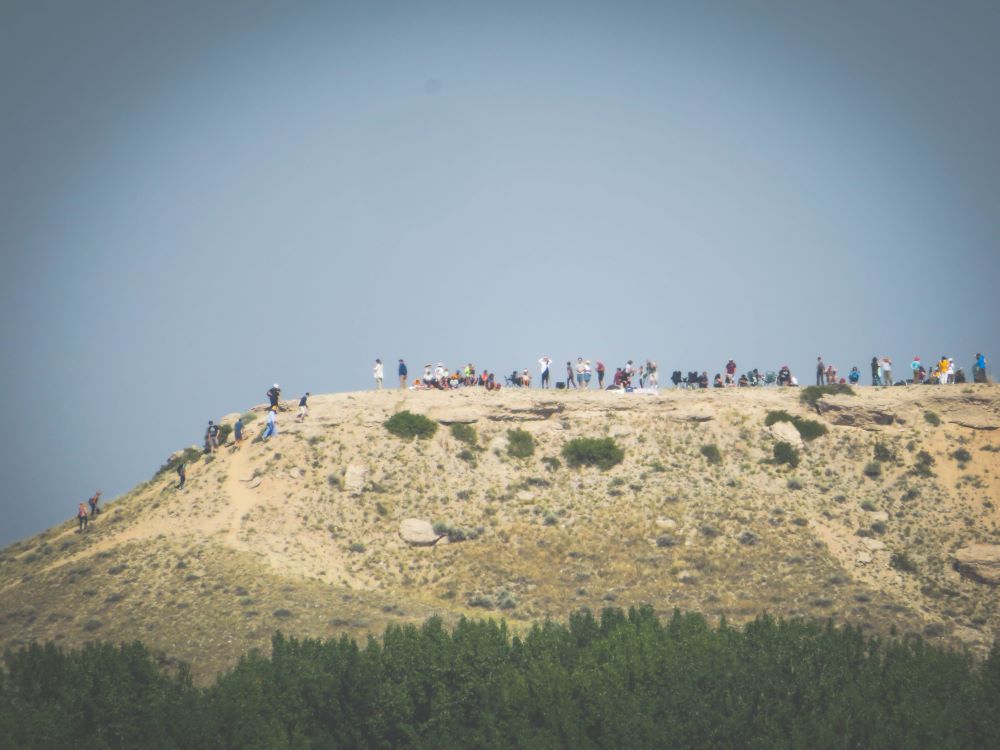
We follow herd behavior even when the information says otherwise.1 So we will literally know better, and then follow the crowd anyway. If everyone else is jumping off a cliff, chances are you will consider it for quite a while.

People standing on a cliff

Is this always a bad thing? Not necessarily, because usually the herd is not jumping off a cliff. Sometimes herd behavior is safe and comfortable. We end up feeling nicely invisible, fitting in and doing what other people think we should do.

But other times, we really need to act differently. Sometimes the herd is not doing what is right, and we know better.

Find Your Herd

Instead of trying to be independent thinkers and have the willpower to always stand out, we should instead simply surround ourselves with better herds. No matter how strong you think you’re are, the pull to fit in is very strong.

We are social creatures and we need the support of other people. There are so many uplifting groups out there, and we can often choose our friends and the people we spend time with. We can realize that the desire to fit in and be safe and normal can be a really good thing–as long as we are choosing where we fit in and what group we are going with.

When we better understand our own values, we should work to create herd behavior that follows those values. We can work to make the world a better place, by elevating and expanding those groups that want to do what is right.

1Study

Plan Your Endings

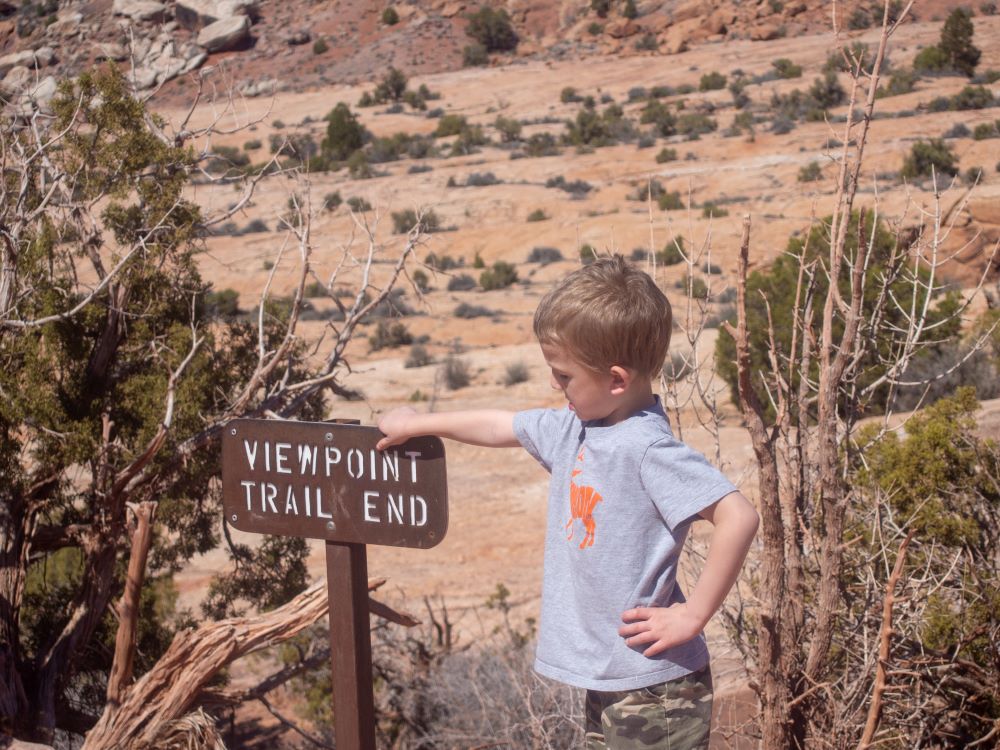
trail dead end sign

Plan your endings.

I woke up, feeling uncertain about the direction of my life. My to-list was very full: write a blog post, work on framing the back wall of my house my house, clean out my kitchen cabinets, read stories with my kids, talk with my husband, finish reading about econometrics, etc. I don’t have a career, but I have wanted a sort of clarity: should I focus on writing or economics or renovation or blogging or something else?

My main priority is to take care of my kids and my family, but then what do I do with my time (especially now that I actually have time without my kids)? How do I contribute to my community and the world?

As I thought over all the things I wanted to do, I realized that everything that I was thinking about was a project that would someday end.

I need to plan for those endings.

Looking back on my life, I am very satisfied with the projects that I started and finished, such as writing novels, , web design, or learning the piano and organ–I don’t do those things very much anymore, and I don’t feel any pressure to do so. They had an ending.

I am studying economics right now, but I will finish my current degree in December. My home renovation will eventually be completed. I will finish the book I am writing.

Instead of saying generalizations that I want to write or study or renovate, I feel a lot happier when I make it a more specific project with an ending: I am going to work on writing this specific book. I am going to renovate this house. I am going to get a degree.

Goals are so much more motivating when they have an ending to them.

Even when we think about long-term projects, like being in a career for years and years, eventually all of it will end.

Our biggest accomplishments and the things that we are most satisfied with eventually end, and that ending is the frosting on the cake and the wrapping on the present that made everything worth it. 

Because who we are is not what we do. I get so discouraged when I think about what I want to be when I grow up. So I change the question. I actually asked my son the other day, “What is one thing you want to do when you grow up?” He said he wanted to be a fireman. And that seemed like a good answer–he could be a volunteer firefighter, or work seasonally on wildfires–and it would end, and he would go and do something else.

Make Exit Plans

If you start a business, plan for the end. What happens at the end of it? Do you hope to sell it, for example? Pass it down in the family? Or maybe you realize it’s a temporary solution and eventually you’ll just have to close up shop and move on.

If you start a career, make an exit plan. When do you want to retire? What promotions or other job opportunities interest you? Is there any more education could you get? What other jobs are interesting to you?

What is your exit plan for vacations, hobbies, where you live, temporary relationships, leisure? When do you want it to end and how do you want it end?

What do you want the ending of your entire life to look like?

I don’t want to do one thing in life. I like doing lots and lots of things, and that’s okay. There are times when I will focus on just one thing for a time, and then it will end, and I can move to something else. I don’t have to live my entire life all at once. My identity does not need to be permanently categorizable.

What is the best work I can do in this temporary season of life–and where does it end?

trail dead end sign

Further reading:

Thoughts on writing

Finding Your Place

Honesty: How to Fix Your Life

Honesty can solve a whole lot of problems.

tree peeling off sign honesty

I always thought I was a very honest person: I never told lies or cheated or tried to steal anything, so I was good.

But here’s the thing: I still very much care what other people think about me, and sometimes dishonesty creeps in as I fail to admit my shortcomings and mistakes, both to myself and to others. Admitting what I do wrong has been my biggest struggle with honesty. I want to be an awesome person that doesn’t make many mistakes. But I am not: I yell at my kids, I pick my nose, I get discouraged, I waste time, and I support political candidates without knowing much about them.

My lies are plentiful: I want to hide things from the building inspector. I pretend that I heard someone speaking when I wasn’t paying attention at all. I tell a friend I’m doing fine and everything is great when it really isn’t.  When I don’t know something, I fabricate information. And at the store, when my kid breaks the top off a bottle of soap, I stick it on a random shelf and walk away.

Some of these may be trivial. But when dishonesty starts to creep up in small ways, it becomes a lazy way to deal with hard things. Dishonesty just pretends that those hard things don’t exist.

But honesty is when I have to face life as it actually is, giving up my idealized version of reality.

So how can honesty solve life’s problems if it seemingly makes life harder? Because denying the truth doesn’t make the truth go away, and when I face the truth, then I free myself.

Honesty can help solve depression.

Almost all depressing thoughts are lies.

LIES: I am not worth anything. No one likes me. Life is too hard. I can’t do this anymore.

TRUTH: I am worthwhile. Lots of people like me. Life isn’t too hard (what does that even mean, anyway?). I can do it, and I will do it.

Honesty can solve anxiety.

Anxious thoughts are lies.

LIES: This will never go away. People are looking at me and judging me. Bad things are always happening everywhere. I’m stuck here forever.

TRUTH: Everything does go away. People are often too caught up in themselves to notice others very much. Good things happen just as much as bad things.

Honesty can solve parenting difficulties.

I lie so often to my children, and they respond a lot better if I just tell them the truth.

LIES: Clean your room or else. I will take that away in five seconds. If you do not do better, I will punish you. You are so difficult. Because I said so and that’s all that matters.

TRUTH: I love you. I’m proud of you. This is really hard for me right now. I don’t want to yell. I make a lot of mistakes. The house is messy. I don’t want to clean it alone.

Honesty can solve problems at school or at work. 

LIES: I don’t have any questions. I understand everything. Sure, I can do that. I haven’t done anything wrong.

TRUTH: I have so many questions. I don’t understand what is happening. I’m not sure I can do that, but I can try. I messed up and I will try to make it better.

And honesty can help solve everything else. 

Do you have a job interview? Just be completely honest and then there is no reason to be nervous.

Did you make a big mistake that’s keeping you up at night? Just admit what you did wrong and ask for help.

Do you have unpopular opinions? Don’t make excuses. Stand up for what you believe is right.

Are you angry with someone for some reason? Talk with them and see if you can calmly work it out.

Want to improve your relationships? Stop gossipping, tell the truth about others, and tell the truth about yourself. Be vulnerable.

Truths

There are a few truths that can get you through extremely difficult times:

  • First, that you are always worth something.
  • Second, that everyone, including you, makes mistakes.
  • Third, that so much of life, including mistakes, is temporary.

When you face truth, you can find peace by releasing the expectation of perfection and finding true meaning in life as it actually is.

Further reading:

Being a Parent

Parenting is a concept where we act in order to have results. We parent our children so that they can go to bed, do well in school, act in certain ways, and think how we want them to think.

But what if we switch from parenting our children to being a loving parent? Instead of working to have certain outcomes (the verb form–parenting), we instead focus to be the best we can, regardless of what happens next.

Today at bedtime, I wanted my kids to calm down and go to sleep. So I decided to employ some good parenting techniques: we played a few games, I read stories, sang songs, and tried to show love and attention to my children. But I wanted results. I was parenting: if I did it right, then my kids would calm down and go to sleep.

Do you know what happened? They would not calm down. They giggled and they would not listen. I was trying to do the right thing, or so I thought, but I was doing the right thing only for a certain conclusion that was not happening. (And then I got very frustrated, which did not help anything.)

Parenting (working for specific results) is not effective because kids are people and people make choices. That means that even if we parent perfectly, we may not ever be able to get our kids to think and respond in the ways we want.

But being a better parent is not dependent on the outcome. It’s just doing what is right no matter what happens. If the kids are misbehaving and disrespecting and being horrible, I can always be a loving parent. I can control what I do–and this is a lot easier if I’m not attached to results.

I have to let go of my parenting goals and those expectations I want. Which means I have to stop thinking and googling things like “how do I make my kids (go to sleep, do well in school, stop hitting each other, listen to me, respect others, etc.).” I have to realize that my kids will make choices that I do not like. And that they will do this a lot, and I cannot control it.

I can guide them, love them, and teach them. There can be consequences to actions. I can tell them what is right and wrong.

But at the end of the day, I will never be able to force them to go to sleep (or do so many other things). Instead, I can only force myself to love them even more.

Change

We were putting on our masks to go to the grocery store. As we went to check out, we waited as the cashier sprayed down the register. Things are different now.

I remembered how 9-11 changed how you fly on an airplane, and I thought that maybe certain things will always be a little different now. Maybe we will disinfect things a lot more often. Or wearing face masks will be more common. Maybe people will stay home more when they get sick. Perhaps in 20 years, things that seem weird now will be common and people won’t think about it much.

We adapt to change so quickly sometimes that we forget that the change ever happened.

Do you know that bananas used to be different? There was a certain variety of banana that everyone ate, and then they all died, and now we have different bananas.

Kodak wanted to be the best filmmaker around, but then digital photography came along and Kodak basically went out of business.

We used to call and talk to people on the telephone. Now I connect to people without talking in a myriad of ways on my phone. And I can do calculus on my phone now, if I want to.

Statistics used to be doing manual calculations and now it’s basically learning how to use coding to manipulate data.

I used to live in a small town when I grew up; now that town is huge and all the traffic patterns are different.

Our lives are always changing. And it’s okay. Change can be good or bad or neutral, but things always change.

Except for the few things that stay the same: ancient trees, rocks, mountains, religion.

And the nature of life sort of just stays the same. We are born, we live, we struggle, we die. With all of the changes that happen, our struggles and our joys have always been the same–we strive to do the right thing, to help each other, and we make mistakes and we fight, and we seek meaning and purpose and happiness. We increase in knowledge and then make stupid mistakes anyways.

Things have been changing. And yet, so much has stayed the same. I am still here, and in a shifting landscape, I find that the most important things are still here with me.

Acceptance

A lot of people are feeling panicked and afraid and stressed out. This is a rough time. But things will go back to normal. They always do.

I have been trying to find good information about COVID-19, but here is one things I’ve learned: we have not had enough time to come up with the right data to make completely accurate models. Things may be better than we think, but I sincerely doubt that they could be worse than worse-case scenarios.

We aren’t sure what to do because we don’t have all the data right. We can’t tell the future and so we don’t quite know how to prepare for it. The leaders of our cities and states and country are trying to figure out how to minimize negative impacts. But no matter what they do, there will be negative impacts. The tradeoffs are not great right now.

I fully support social distancing, but we don’t need to overreact and panic. I am hopeful that when the data becomes more and more accurate, it will be better than we think. We do not need to shut ourselves in our houses in fear, but we can wash our hands, keep our distance, and prepare our healthcare system.

This is a tragedy. These are hard times, and I don’t want to ignore the difficult time people are having. But bad things always happen. We had deaths from heart disease, cancer, the flu, car accidents, drug overdoses. We are working on all of those problems. People get sick. It sucks. We have a hard time understanding the scale of any tragedy and there is not a great way to put it into perspective.

With this pandemic, we just have too much information in the wrong places, leading to too much fear and confusion. We have to trust in experts, let them do their job, and make the best out of what we have. We don’t need to be afraid, but we can be prepared.

We cannot avoid every bad effect anymore. We are going to have major consequences in health and economics. People will die, and it is incredibly sad and hard. But acceptance of the tragedy can help us be more rational in figuring out how to lessen the worst effects without being so afraid that we overreact and create more harm than we have to. Worry and fear can be a useful catalyst for action, but actions need to be kept within rational and sensible bounds.

I am grateful for epidemiologist who are trying to come up with more and more accurate models. For economists who are studying economic impacts. I am grateful for imperfect yet helpful policies that will help keep us going.

I have faith. I have faith that we can come out of this better than we will be before. This is not a catastrophe. This is not the end of the world. This is hard and it’s terrible, but we move forward like we always do.

I have been very worried and stress, but my mind feels a lot more clear now. Accepting that a hard thing is happening helps us move forward and make the best of it. We can’t eliminate this from our lives. But we can keep moving forward and doing the best we can.

Things I am hoping for right now:

*People be rational and make the right decisions to minimize the loss and negative effects of this pandemic.
*That we can find appropriate treatments that shorten hospital stays and reduce severity of the disease.
*The death rate starts getting lower and lower.
*Increase testing ability and more equipment for health care.
*That there are more asymptomatic people than we realize and we will be able to achieve herd immunity.
*For a quick economic recovery–where people can get their jobs back quickly and businesses can find capital to keep going and that the recovery bill does it’s job in providing more expansive unemployment and that when we do open things up and get going again, we have minimized the reduction of GDP and long-term unemployment.
*And that there will be an end of this and life will go back to normal, except for it will be a better normal because we have learned and grown from this experience.

Please don’t be angry and afraid. Just keep trying,

Solutions and Decisions

Everyone faces difficult questions. Moms ask: Should I stay at home with my kids? Should I go to work? What is best for my kids? What is best for me? How do I take care of my children and my finances and my mental health? Is it selfish to have ambitions? Is it okay to focus on myself? Is it better to focus on other people?  Are public schools right for my kids? What about charter schools? What about online classes? What about private school? Should I homeschool? Should I move? Should we change jobs? Should we change careers? Should we go to school or not?

If you are in a different situation, you are asking different questions, but they have the same weight. Everyone is asking those sorts of questions all the time.

Sometimes we need to answer the questions and figure something out. But sometimes we are asking the wrong question. 

Sometimes I feel like I need to answer a question right away and figure it out. But then I just feel frustrated. I think that if I come up with an answer and I solve it, that everything will be right. And then when there isn’t a solution, I keep trying and trying to make something work. 

But often, I don’t need to ask those questions in the first place. A solution can come slowly, if I am patient. Or there may not be a solution. 

Sometimes life is not an equation with a variable that you can figure out. Life is a lot more messy than that, with approximations and confusion and imperfection. 

We often try to fix things, but in our effort to fix it, we lose the nuance and imperfection and chaos and beauty. 

We can throw away the needless guilt. We can throw away the thought that if we somehow tried a lot harder, everything would fall into place. We can stop pretending that we are able to take care of everything and everyone all at once. Because that isn’t going to happen. There are tradeoffs.

So instead of trying to solve life like a math equation, just do the best you can in the messy chaos. 

This applies to everything in life. We want solutions. We want to fix things. But politics and housing prices and healthcare and viruses don’t have one easy solution. Things are complicated. There is usually not one solution that works great for everyone.

Except loving other people. And prayer. And gratitude. 

Come to think of it, being grateful for what we have is a good way to start solving things in the right way.

Friendship

Option 1: Abigail is living her life. She has her routine: wake up, get ready, work, spend time with her family, read a book, go to bed. She has the occasional events with church and work and community and life. She lives in her own little sphere, and it’s pretty happy there. A bit lonely, but she has her routine that she keeps doing over and over again, so it’s okay. Social media and videos help with the loneliness. And if she gets feeling down, she does something special like taking herself out to dinner and travelling to see something new.

And then one day, Barbara knocks on her door at 7:00 in the morning. She brings Abigail breakfast with orange juice. It’s weird, but Abigail likes orange juice. Abigail isn’t sure what to say. And Barbara isn’t sure what to say either, but they exist there together eating toast, until they both resume their routine and go to work. Abigail is late, but she finds that she is happier than normal.

In the evening, Abigail texts Barbara and tells her thank you and that they should get together sometime. Abigail doesn’t expect a response, but Barbara says, “How about we go to lunch on Saturday?”

And so Abigail ends up having sushi with Barbara, and while she is there, Barbara offers to babysit her kids so that Abigail can have a date night with her husband next Friday night at 6:30.

But Abigail feels confused. She had been living happily in her sphere and no one bothered her, but here is Barbara, inserting herself into Abigail’s life and she feels like she finally has a friend.

Barbara comes and babysits on Friday. And then Abigail decides she is going to text Barbara something a few days later, though this feels a little awkward and weird. “Hey–do you want to go have lunch again tomorrow?” And she nervously clicks send.

“Sure! That’s sounds awesome!”

And so it continues. Abigail finds out that Barbara has lots of other friends, and then Abigail get lots of other friends, and then she don’t exist in her own little sphere at all. She doesn’t feel lonely very much anymore.

Option 2: Barbara thinks it is too awkward to bring someone over breakfast first thing in the morning, and so she stays home and sends the occasional text message but never feels like she has any friends.

Friendship is not about giving people space. It’s not about waiting for convenient times and it does not take place on the internet. Being a friend is when you insert yourself into someone’s life and you both end up happier because of it. It can be awkward. There are missteps and confusion. You do things wrong a lot, but that’s okay. You can’t keep waiting for an invitation. Friendship doesn’t wait for an invitation. Friendship is the invitation, and it comes from you.


It’s okay to not be okay

When I was younger, I remember hearing from people who were so happy and optimistic. They seemed to deal with difficult things with grace and gratitude. And I wanted to be like them.

I thought that if I was good enough, I would be able to go through life without deep pain and struggle. When hard times came, if I had enough faith and trust in God, then it wouldn’t hurt. I could meet it with optimism and faith and joy.

That was a lie I told myself. I didn’t want to feel pain. I was running away from pain, thinking that I wanted a perfect and happy life where I had this amazing attitude all the time. I thought religion meant that I wouldn’t have to feel pain. I thought being good enough meant that I had a good attitude at all times.

And now I have felt deep pain that has teared me apart and put me back together. I have not had any deep tragedy in my life. But I have had struggles that have driven me to despair. I have faced my own imperfections and saw that I would never be the ideal I had set for myself.

I sat with my pain today. I didn’t feel guilty. I didn’t try to make it go away. I didn’t feel a need to be productive and happy. I just let myself cry. It was a small thing: I missed my home that I can’t live in.

And I didn’t tell myself I needed to have this amazing attitude. I didn’t need to feel happy and put this pressure on myself to be and do everything right. I didn’t need to fix the problem either.

I have had a hard time sharing pain with others because I’ve always ran away from it in my own life. But when I prayed today, it wasn’t with this hope that things would work out. Because that isn’t true when you are in pain: things won’t work out because they hurt right then and that pain is real. And it’s okay to not feel hopeful and optimistic. It’s okay to cry.

I know the moment will pass and I do know that hope is around the corner, but I am also finally okay with the fact that life will hurt. My hope is no longer in the deliverance from pain. I prayed that I could continue in the life I have, knowing that it will continue to hurt for a while. I’m not desperately looking for the way out.

The biggest comfort comes in knowing I can move forward with the pain, knowing that my heart is big enough to contain it.

Because in the pain, there is also joy. Almost all of our pain comes because we had happiness. We felt loved. We loved others. Joy and sorrow often come together: we love knowing that we will someday say goodbye. We work knowing that it will someday be torn down and forgotten. We live knowing we will die. We build a home knowing we will leave.

There is sorrow because there is joy and joy because there is sorrow. And I want the joy. Which means that I must accept the sorrow that goes with it.

If hard things happen to me, I don’t have to tell myself that things will work out. I don’t need to skip over the pain and fight it with optimism and hope. I don’t need to say everything is fine and put a brave face on.

I will let myself cry. I will let myself be imperfect. I will let myself sorrow and know that things can be hard and overwhelming without recompense. And I will not apologize to others for being sad, excusing myself as if sadness was some sort of flaw that should be hidden away. I will have the integrity to not be ashamed of my struggle.

(Or I will feel guilty and hide and make mistakes and that’s okay too because I’m still learning.)

I am finally not hiding from what life is, though the process has been slow and continues.

But in the end, I am more grateful for the hard times than the easy times. I have found myself more in failure than in success. I feel so much less ashamed of myself in realizing my imperfections.

Life is messy and chaotic and beautiful because of it.