-
Thoughts on Money and Value
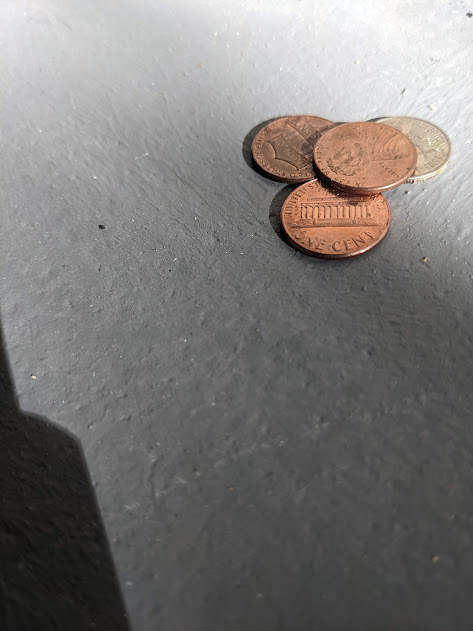
I think I would like to live in a world where people wanted to maximize value and they did not want to maximize wealth.
But in the world we live in, people make a lot of money by actually reducing value in the world. And some people earn very little or no money creating a lot of value. Value and money can be very different from each other, and money is not often a good indicator of actual value.
What do I think is valuable? Caring for each other. Families and raising children. Nature and the environment. Friendship. Beauty and art. Eradicating diseases. Peace.
What do I think is not very valuable? Cryptocurrency. Pennies. Luxury name brands. People being mean to each other. Hatred. Taking advantage of others. Wealth building upon wealth in an inexplicable way. Reputation.
I don’t get paid for the most valuable work that I do. That’s just how it is. But I’m not seeking to maximize my wealth–I just want to be able to be self-sufficient and not worry about money much, and then be able to pursue those valuable things.
Some people really seek careers that add value, but it’s hard to do that when many careers that add the most value often don’t pay that well (like teachers). But if you go into management and finance, suddenly you get paid so much money to make all these decisions that don’t actually improve anyone’s life.
Some people want to maximize wealth and then think they can add value–if you’re really rich, you can do a lot of philanthropy. But I still think there should be value added along the way, and that those on top can make sure to support those who are supporting them.
If people were concerned about maximizing the things that they actually value, the world would improve at a much faster pace. But if we only think about money as value, we get things all twisted about, and we end up destroying what good value there is.
Further Reading: The Value of Everything by Mariana Mazzucato

-
Ordering from the menu

I saw a post a while ago, first that mentioned that of course there is a God, because he created all these wonderful things for us. And the second post was about how God is more like some sort of chef that should be in the back kitchen, but you put your order in, and nothing comes out. People tell you to keep trying, so you try again and again, and you never get a response.
I understood that feeling. I have often felt that my heartfelt prayers went unanswered. I would plead that I could receive something to get me through a difficult time, and then nothing came.
But then I wondered about that metaphor: God doesn’t have a menu. God does not give what we ask of him, bending his will to what we think we need.
There have been many times in my life when my prayers have been answered in ways I did not expect, and sometimes in ways that were frustrating to me. But they were answered, even if it took a long time for me to see it.
God sometimes gives me what I ask for, but sometimes he gives me something completely different. My life is very different than I expected or wanted, and it has been beautiful and miraculous, even when it has been difficult.
If we are waiting for prayers to be answered in a certain way on a certain timetable, then we will be disappointed. But prayers are still answered. I’ve had evidence of that over and over again in my life, mostly as God helps me become a better person.

-
Courage is better than confidence
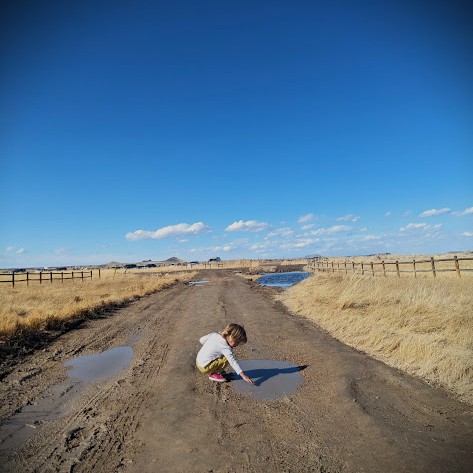
I’m currently teaching an in-person class. I’m new to teaching, and I’m doing the best that I can, but sometimes I don’t have a lot of confidence in myself. And that’s okay.
Because confidence isn’t particularly motivating. I can be very confident that I can do something, but still not want to do it at all. I can feel capable and skilled, but that doesn’t meant I get up and do it.
Courage can be what motivates me to actually do the thing.
Getting a PhD has taken a lot of courage. I had to apply, and I had to get letters of recommendation, and pick out a writing sample that I thought would be good enough. And now I submit to conferences and teach classes. I reach out to committee members, and I meet with my advisor regularly. I get harsh feedback sometimes, and I keep going.
But I don’t feel particularly good at any of this. I know I’m good enough to be here and do this thing, but I still have a lot to learn. I keep on growing.
Courage helps me in those days when I know I’m struggling, but that I go out and I try anyway. I have courage when I raise my hand to ask a question sometimes. When I meet a new person and have to engage in small talk. When I want to go home and crawl in bed and not face the things in front of me, but I instead get up and do my best.
If we wait until we are confident, then we don’t give ourselves the time and the space to learn. My best research is not when I figure it out on my own, but when I bring the beginning of an idea and share it with others. When I’m not confident, and I’m ready to learn and change, and I learn so much in that space.
So don’t seek out confidence. It will come when it’s ready, and it doesn’t ever need to be there at all. Instead, seek courage, to get up and try even when you don’t feel like it.
-
Lots to Do
I was talking to fellow grad students one day, and some of them are basically dedicating all of their time to grad school, with a little bit of fun and enjoyment thrown in there.
That’s not me right me.
I go to graduate school, but I have another job too. I am a parent.
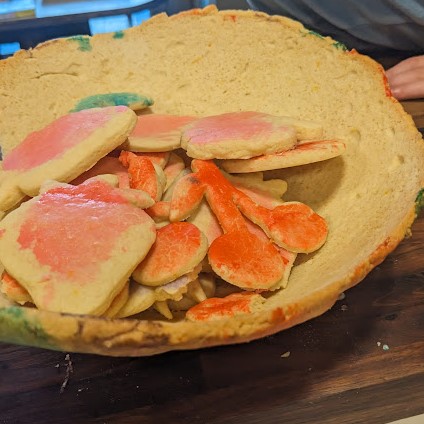
Today, I had a lot of things to deal with. I tried to teach one child gratitude, another one better social skills. I helped with piano practice. I checked in on homework. I managed media time, locking up devices and turning things on and off as needed. I cooked dinner, and then made sure that the kids who didn’t want to eat that dinner still ended up eating something nutritious instead of just scarfing down tortilla chips. I baked cookies with my daughter, using the library book she checked out from the school library, and we successfully made a sugar cookie bowl. I played a card game with my son. I drove another daughter to a church activity. I ordered groceries for pick-up tomorrow. I ordered a new wifi adapter for the kids’ computer. I checked in with a kid who has started a journal and he showed me his entry. I washed sheets and I made beds and ensured that my kids showered and brushed their teeth.
And then I also was struggling with a dissertation problem, trying to figure out how to hold two views at the same time when one leaned pluralist and one leaned monist. I think I came up with a solution. I updated the settings for an assignment for my class and post an announcement about an upcoming due date. And I finished reading a book.
In all of these happenings all throughout the day, I kept feeling that I wasn’t doing enough. I did not get a lot of schoolwork done today. I watched cooking shows (one while I was exercising, so that barely counts). I didn’t get all my cleaning done. I could have done more.
But I need to be more kind to myself. Because I am doing a lot, even in all of the chaos of my life. All the care work that I do for my children is unpaid and unrecognized. But it’s still really important, and I’m going to keep at it. I’m going to keep trying, and give myself credit that I am doing a lot, and it is enough.

-
Life is Not Linear

At some point in my life, I will have already completed my most important work. I will have had the happiest time.At some point, I will lose friends faster than I can make friends. I will have have been on top of the mountain and I only be able to go downwards.
And then what?
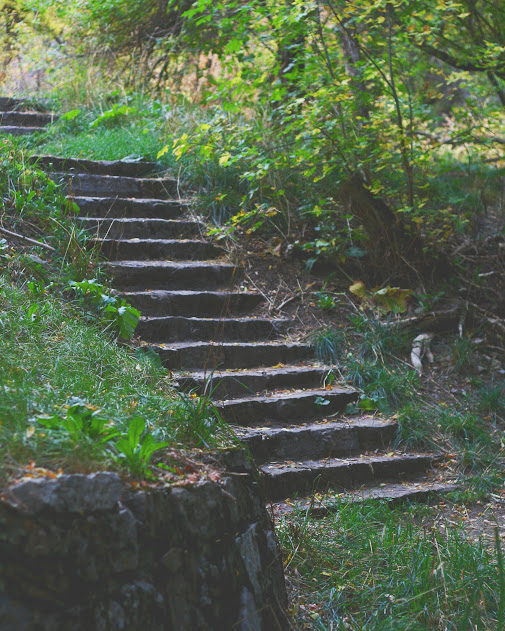
Life has many different seasons. It is not a linear progression upward, but a combination of lots of different things at lots of different times. We have seasons of productivity, success, and stability. But there other seasons of life: Rest. Decline. Struggle.
I get really frustrated with life when I want this linear progression upward. Every day better than the last. Every moment better, better, better. But it isn’t. That’s not how life works.
There are ups and down, but there are also things that are mixed up together, ups and downs at the same time.
I can be grateful for those moments that are really good, while also realized that I don’t have to keep chasing them. I can live in the season I am in, instead of just always wanting better.
The harder seasons are still really good. There are times when I’m not very productive, when I am behind, when I’m not really that happy. But that’s okay. There is still love in those seasons. There is still those small moments of joy, and it’s okay that they are small.
Life doesn’t have to progress upward in order for it to be good.
-
Home: The Safe Place
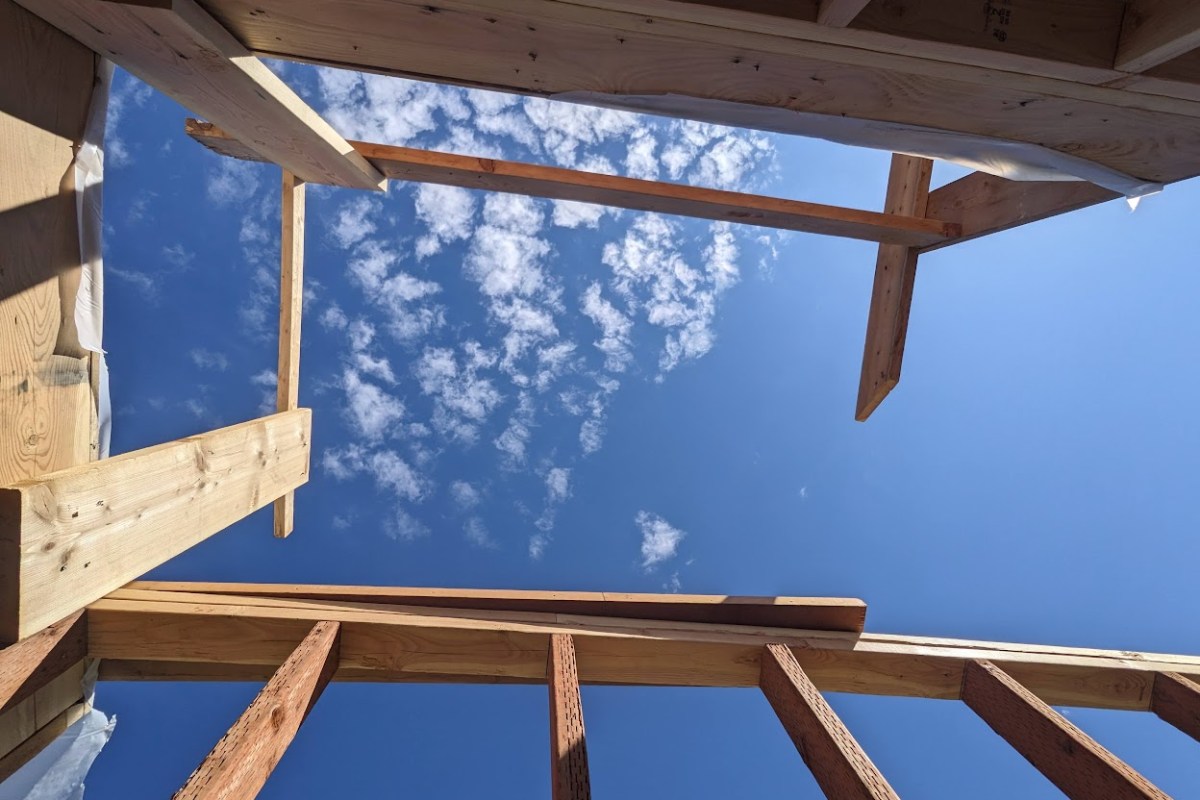
My kids behave their absolute worst at home. So do I, when it comes down to it. We all yell and scream and cry. Home becomes a place where all those emotions come out.
It can be discouraging. I would like our home to be calm and clean and happy. But so often it feels like my home is full of garbage: Actual garbage. Emotional garbage. All those worst moments that I wish didn’t exist.
I think the wrong way to deal with this is to try to eliminate all those bad moments. Because those bad moments need to happen. We all need a place where we can behave without expectations for a moment.
And home can be that safe place. Home is the place where we can scream and cry and struggle. We put on a face everywhere else, and then at home we can totally relax and let all of the garage out, that garbage that we keep hidden.
It’s a really good thing that my kids behave badly at home. Because they feel safe there. They feel like they can.
Home becomes sacred because it houses all of us, not just the good bits.

-
It’s okay not to finish
Sometimes I don’t do things because I don’t feel like I have the time and the energy.
But I can give myself permission to not finish. If I don’t have to finish, I’m much better at getting started.
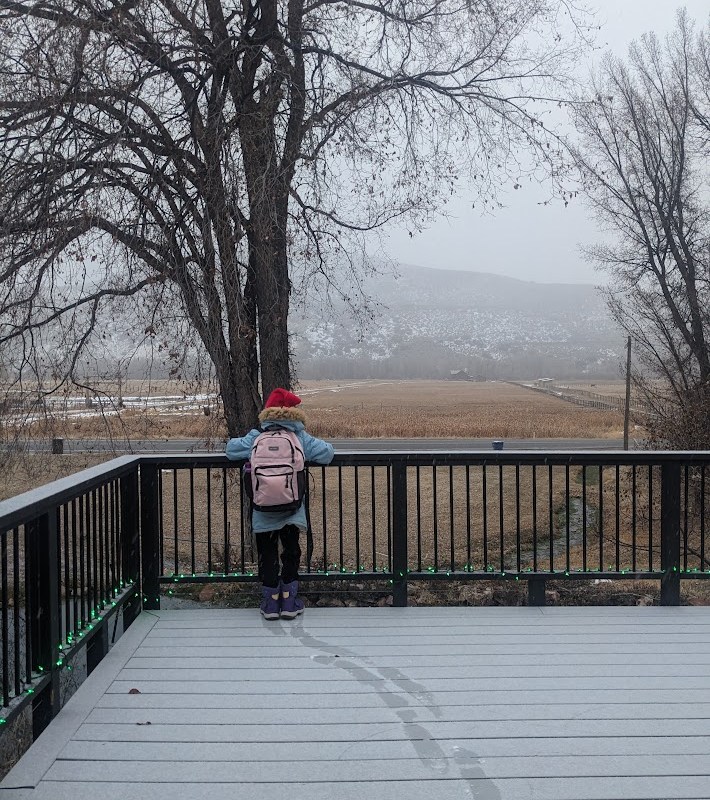
I can clean part of my house. Fold part of the laundry. Read part of a paper. Write part of a blog post. Go on part of a hike.
Small efforts are better than no effort.
-
Finding Hope Amid Anxiety: A Call for Integrity

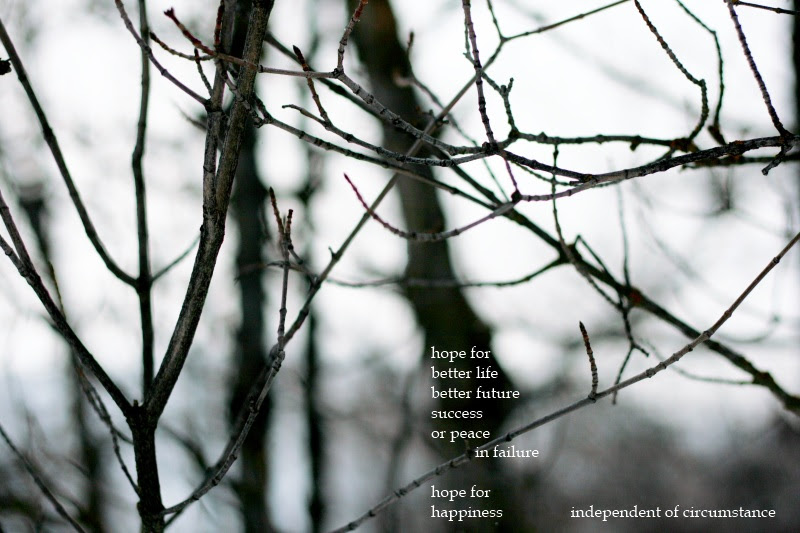
I feel a lot of anxiety right now about the future. Not really my future, but the future of everything. I look at the news regularly, and it makes me worry. I was in a conversation where everyone was just feeling bleak, that things were going to worse–not just big picture problems, but smaller things too. There are constant worries that things may not turn out, that life will get harder. That we are not okay.
I have seen a person get fired for doing the right thing and a person up for promotion despite previous wrongdoing. People seem to dispose of ethics and morals and helping others. Instead, they pursue what they can get away with, what is technically legal, and what makes them better off. And these people are often hypocrites: declaring their beliefs of integrity while secretly acting in other ways. I think many people are not aware of their own hypocrisy: they don’t realize that what they are doing is wrong.
But I do have hope.
And that hope is mainly rooted in the fact that there are still lots of good people fighting for good things.
The fights that we have with each other are not fights of good people versus evil people. Most people think they are good. Most people are trying to do the right thing. So our fight is not like a fantasy battle where there are heroes and villains and we want the heroes to win and the villains be eliminated.
Instead, people are often misinformed, deluded, and confused. Most people are not villains, but imperfect people who have lost their way. Though we should not trust misguided people with responsibility and power, we are not in a battle to eliminate them. Instead, we want to change the conversation. We want to bring more sense and reason. Instead of being afraid of each other, we want to be able to work together to find what we have in common and pursue better solutions.
The fight is one of persuasion and information. We fight to bring dark secrets into light. We fight to discover what is true. We fight to care for each other.
We don’t fight against each other. Instead, we fight against bad ideas. We fight against corruption. We fight for the disadvantaged. We fight for good outcomes.
And I will keep my hope. I will keep doing what I think is right and contribute to my family and my community. I will stay informed. I will encourage the people around me to keep living good lives, to be people of integrity. And I will try to live what I preach.
-
Time

I was watching John Green’s video about the average American, and he said something that haunted me: the average American spends more time in social media than going outside.
I was doing that.
I love being outside, I really do, but it seems like all the work I have to do is often indoors. My research is inside. My housework is inside. Lots of things are inside. And that’s fine.
But when I need a break, do I go outside, or do I go into a screen?
And I usually go into a screen. Much more than I really want to. It can become a default: whenever I feel stressed and overwhelmed, go to a screen (or stay on the screen).
I don’t want to do that anymore.
Yesterday, I was cleaning out the car and I went to put some stuff in the trash can, and I looked up at the sky. The sky was clear, and I could see the Milky Way cutting through it. It was the sort of sky where there were stars absolutely everywhere.
I noticed. And I tried to get my kids to come and see (they came, but didn’t care quite as much). I delayed the things I had to do to just stand out there, craning my neck up to see the universe above me.
I went on a walk today, and it is the perfect kind of weather: a little bit windy, the sort of temperature you can wear whatever you want and it will be only a little bit uncomfortable, and crunchy leaves flying across the ground. The world is turning yellow, the sky was cloudy, muting the sun. It was beautiful.
The things that I often use for stress relief actually cause me more stress. They tired me out and drain me.
What actually invigorates me is going outside, playing with my kids, being active. Having space to exist.
I’ve spent a lot less time on my phone and on a screen the last few days, and I have felt freedom and a lot more peace inside.
Trying to split my mind between my life and junk on my computer is just hard. Being in my life is a lot better.

-
Weight
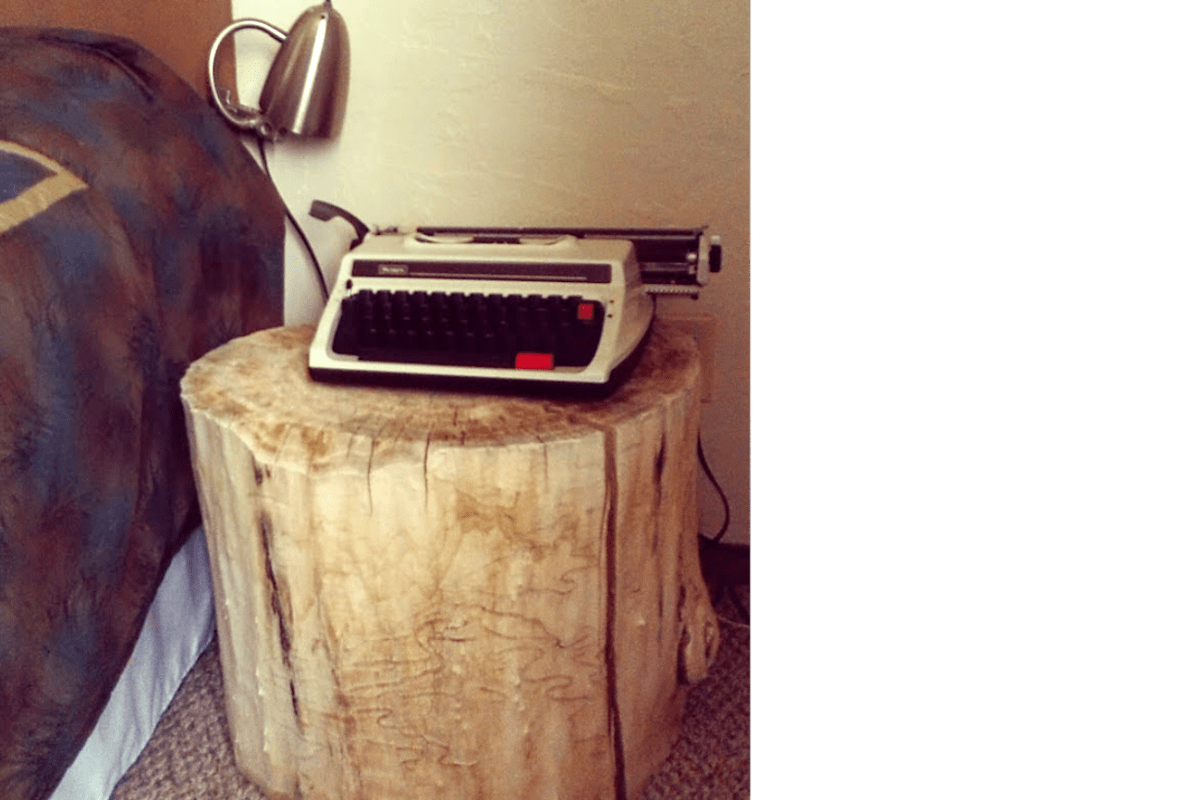
I recently finished a rough draft of a paper and sent it to my advisor. I had meant to finish that paper in the summer. Then school started, and I thought I should be able to finish it by the end of August. And then August ended, and I no longer had a deadline, just a heavy weight that I had not completed a draft yet.
I felt so behind, and I did not want to work on this paper. I was stuck. I felt guilty for my lack of progress. But I needed to work. So I decided I was just going to sit down and dictate it. I turned on the dictator, and I talked.
I had to stop talking midway through because I had kids coming home from school, but then I kept typing until I was 4,000 words in and I had a very messy word vomit rougher than rough draft.
The paper got a whole lot easier. I was able to go through and make that word vomit into something that actually resembled actual research and argumentation.
I still need to do more research (there is always more to read). I still need to improve my arguments. I still need to proofread and actually put in proper citations.
But I think I hated working on that paper not because I hated the subject material or the argument, but because it reminded me that I had disappointed myself. I had expectations that I didn’t meet.
When I finally finished what I had wanted to do for so long, the paper wasn’t so bad anymore.
I’m not sure what to do about that in the future.
Lower my expectations? But sometimes if I have high expectations, I can get a whole lot done.
Just get things done, so I’m not missing deadlines? This is the best case scenario. I’m always happier when I’m ahead of schedule instead of behind schedule.
Maybe have multiple deadlines in mind in the first place? I mean, the deadlines were my deadlines. The actual deadline for this paper is towards the end of October (for a final draft, not a rough draft), but I don’t necessarily get kicked out of graduate school if I miss that deadline. So maybe my own self-imposed deadlines need to have a different flair: I need to realized that sometimes I have overly optimistic deadlines, realistic deadlines, and life-gets-complicated deadlines. And set all of those different dates for myself, so that when I blow past the overly optimistic deadline, I don’t feel so much guilt.
-
Subscribe
Subscribed
Already have a WordPress.com account? Log in now.
 Heather Hoyt