Characters over plot

When you write a novel, you have to get the characters down or the plot doesn’t matter at all. You can have a really awesome plot with great scenes and cool action sequences and whatever, but if you don’t make the reader care about your characters, your reader will hate the book.

But that is just art mimicking life. Because in life, the characters (people) matter a lot more than the plot.

A lot of times we are focused on plot. That’s what a to-do list is, really. The actions that you go through in life. Our goals our often focus on the plot of our life: what we do and where we go.

But who we are with is more important.

I often remember times in my life not by what I accomplished, but by the people that were there. Family and friendship simply matter more than aspirations and achievement.

Weight

I recently finished a rough draft of a paper and sent it to my advisor. I had meant to finish that paper in the summer. Then school started, and I thought I should be able to finish it by the end of August. And then August ended, and I no longer had a deadline, just a heavy weight that I had not completed a draft yet.

I felt so behind, and I did not want to work on this paper. I was stuck. I felt guilty for my lack of progress. But I needed to work. So I decided I was just going to sit down and dictate it. I turned on the dictator, and I talked.

I had to stop talking midway through because I had kids coming home from school, but then I kept typing until I was 4,000 words in and I had a very messy word vomit rougher than rough draft.

The paper got a whole lot easier. I was able to go through and make that word vomit into something that actually resembled actual research and argumentation.

I still need to do more research (there is always more to read). I still need to improve my arguments. I still need to proofread and actually put in proper citations.

But I think I hated working on that paper not because I hated the subject material or the argument, but because it reminded me that I had disappointed myself. I had expectations that I didn’t meet.

When I finally finished what I had wanted to do for so long, the paper wasn’t so bad anymore.

I’m not sure what to do about that in the future.

Lower my expectations? But sometimes if I have high expectations, I can get a whole lot done.

Just get things done, so I’m not missing deadlines? This is the best case scenario. I’m always happier when I’m ahead of schedule instead of behind schedule.

Maybe have multiple deadlines in mind in the first place? I mean, the deadlines were my deadlines. The actual deadline for this paper is towards the end of October (for a final draft, not a rough draft), but I don’t necessarily get kicked out of graduate school if I miss that deadline. So maybe my own self-imposed deadlines need to have a different flair: I need to realized that sometimes I have overly optimistic deadlines, realistic deadlines, and life-gets-complicated deadlines. And set all of those different dates for myself, so that when I blow past the overly optimistic deadline, I don’t feel so much guilt.

Going down another path

About a year and a half ago, I was looking down two different paths of life. One was writing. Specifically, writing inspirational nonfiction. I had written the book. I had the ideas for another book in my head. So I went to a workshop to get better. I learned. I kept editing one book and outlining the other. I thought I could do this, if I kept working hard and improving and learning. I have always wanted to write and publish books.

I was networking with people and following social media accounts where people shared wonderful things. Sometimes they shared how they felt called to speak and write, and then success came. I wanted to feel that way too, but I didn’t.

There was a second path. I applied to graduate school, in philosophy, at only one school. They only let in a few people. And I was waitlisted first. I wasn’t sure I would get in at all. But I also felt it was the right path for me.

I’ve really wanted to be successful in certain ways: like having people read my blog, or read my books, or follow me on social media. I wanted to get things published and out there for people to see. But that never happened.

The second nonfiction book I outlined is called The Joy of a Simple Life. It’s about how success and failure often need to be reframed. Helping others in a small sphere of influence is a good and successful. Even if that means you’re a mom spending all the time on your kids. Or a teacher, spending hours just so a person can understand what a metaphor is. Or a neighbor, patiently checking in with your friend. Those things matter. Those things matter more than the big things that we put labels of success on.

I recently got a rejection letter for my book. It was expected, but it did finally close that chapter of my life. I still love writing, but I also am starting to really love teaching and education even more.

I don’t know if I’ll ever get a book published. I still want to. But that isn’t really what success looks like for me anymore. I think the more important work I do is interacting with individuals. It’s small and simple, but small and simple is the best kind of impact I can have.

My job is not to make my kids happy

I got angry the other day. My kids were fighting over who got to sleep on the trampoline, and there was no combination that existed that would make them happy. If I made some kids happy, others started crying. And I was very frustrated.

I had to take a break and walk away. I thought of the problem a little more and realized that I couldn’t solve the problem as it currently existed. The solution I wanted was to make all my kids happy. But their preferences didn’t align in a way that I could do that successfully.

I could try to incentivize them in some way, such as letting the kids who didn’t sleep on the trampoline watch a movie. But that was just creating more problems–and those sorts of incentives can be extremely costly to me.

So I realized that the easiest way to solve the problem was to stop trying to make my kids happy. When I relaxed that requirement, a lot more solutions became available. And I no longer felt overwhelmed by an impossible problem.


When my kids were babies, when they cried, I needed to help them. But as they got older, they wanted more and more things. And sometimes what they want doesn’t make sense.

In a way, it’s easy to try to just give my kids what they want. Because then they stop whining, and I hate hearing them cry and complain. But they need to learn, more than they need satsification.

I need to provide food, clothing, shelter, education, love. I do not need to provide happiness, entertainment, treats, movies, video games, and solutions to all of their problems. My kids want more of me than I can give sometimes, but I can use that as a way to teach them to become more self-reliant, more grateful, more kind to each other, and harder workers.


Relatedly, I’ve stopped trying to make things fair all the time. Sometimes things just aren’t fair. Someone will get more birthday presents, or more dessert, or more time with friends. Sometimes I treat my kids differently because they are different, and because I don’t have the time and energy to equally distribute everything.

I still think fairness can be very important virtue. But fairness as a virtue doesn’t mean noticing when someone else has more and wanting more as well. That selfish fairness is not usually helpful or virtuous. What is better is using fairness as a way to share, to help those who have less, and to notice people who are left out.

I don’t need to be the sole distributor of fairness in my family. I don’t need to keep giving my kids more and more and more. I can teach them to share with each other instead, to be grateful for what they have, and to be okay even if someone has more than they do.


Two of the kids slept on the trampoline. Two of them who wanted to did not. The ones that did not were not happy about it. But I explained my reasoning, and then I let them feel however they wanted to feel. And honestly, once I made the decision, they weren’t as upset as I feared they would be. They don’t actually expect to always get what they want all the time. But if they think they can get it by crying and complaining, they are more likely to cry and complain.

Sometimes being the best mom I can be means not making everyone happy, explaining to my kids why I can’t give them what they would like, and holding to my decisions. That’s teaching them.


Sidestepping Barriers through Positive Thinking

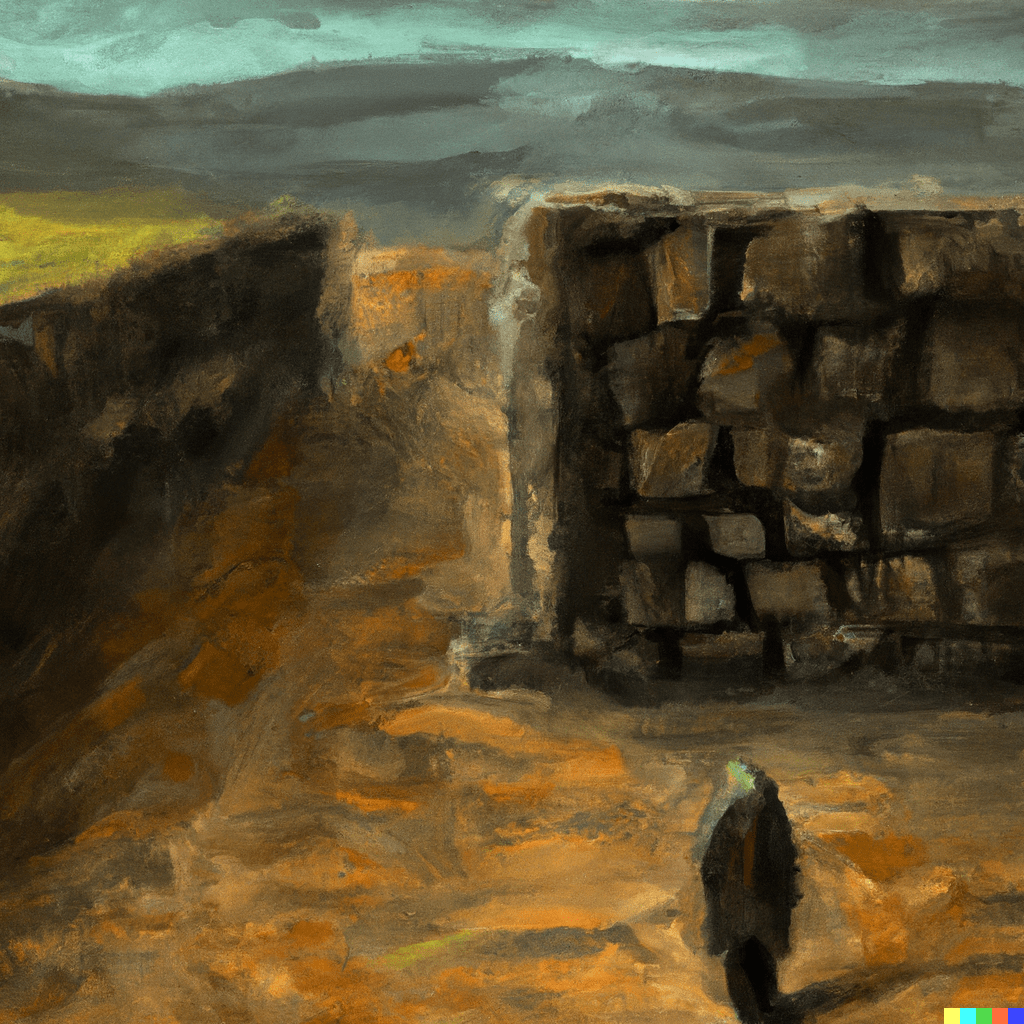
You might have some big barriers and walls in your way to accomplish what you would would like and what is right. In your relationships, maybe there is contention and incompatibility that seems insurmountable. In your goals, maybe you have bad habits that always seem to ruin your productivity. You might simply not have the right opportunities. You might not have enough time. You might feel like there is no way to make this work.

But sometimes instead of spending the effort to overcome those huge obstacles, you need to step around them instead.

It’s good to have a destination in mind. You need to determine what you really want: greater peace, greater love, unity, productivity, achieving certain goals.

But then realize that there might be a unique pathway to bet there that makes everything a lot easier.

It’s really hard change certain habits: but can you still achieve my goals with your bad habits intact? Maybe it’s okay to stay up late or watch movies or get distracted–how can you work around those thing instead of having to eliminate them?

It’s really hard to stop arguing with someone all the time: but can you still build up a loving relationship, even with those disagreements? Maybe it’s okay to fundamentally disagree about certain things–and instead look at what you have in common and build on that.

Sometimes you might have to adjust your end goal a bit, but you can still hold on to the things that really matter to you.

And when you have enough hope in that destination, that hope can help you see a way around obstacles that appear insurmountable. When you are determined to make things better, you can see different pathways that you didn’t notice before.

It felt like the right thing to do

This is how I make all of my major life decisions, and most of the minor ones too. Where I went to school. Who I married. When to have kids. When to go back to school. Where to live.

It just feels right, so I do it. I have reasons. I list out reasons, but I really don’t make measured decisions from a pro and con list at all. There are usually always reasons for and against, and it’s pretty much impossible for me to measure them properly. I can’t tell the future, after all.

Sometimes, I feel like I do things without ever making a decision at all. Why did I end up going to graduate school? It just sort of happened. I didn’t really make the decision when I applied, and yet I had already made the decision when I accepted. I have no idea when I made the decision. At some point, I just became accustomed to it.

But then again, I think I do know when I made that decision: there was a moment when I felt like going to graduate school is what God wanted me to do–that it was the right thing for me. It was a feeling, and I had to submit myself to that and let go of my own reasons.

I trust my feelings more than I trust my mind. My mind is often mixed up in indecision, but if I pay attention to what I feel, I can better know the right way forward.

Comparative Advantages and Inequality in Marriage

Marriage isn’t equal and fair. It’s not about two people doing 50% of the work so it all gets done.

In many ways, my husband is better than I am. He can have more energy, and can work longer and harder than I can (particularly in physical things). He remembers to rotate laundry and he can work a full day and then be home and still clean up and do dishes.

It’s easy to compare and measure myself against my spouse. Sometimes I come out ahead: I am doing all the planning and organizing and making sure that things no one really notices get done. Sometimes I come out behind: I can get super distracted and unfocused, and my energy runs out earlier than the day does.

But we both have our strengths and weaknesses, and instead of worrying about fairness and equality, we both just need to jump in there, put in 100% effort, and then try to smartly divide who is doing what.

In economics, there is this concept called comparative advantage. Simply put, just because one person is better at doing something than another person doesn’t mean that they need to do that thing all the time. There are opportunity costs too–if I’m better at doing housework, and spend all my time doing housework, than I don’t have the opportunity to go to school or spend time with my children. And even though I may be better at both housework and playing Yahtzee at my kids than my husband, it’s better if we divide and conquer a bit more cleverly. If he doesn’t love playing games, then it makes more sense if he does the dishes and I play Yahtzee (and I ignore the fact that I don’t like how he loads bowls into the dishwasher).

If he is better at fixing up cars and he’s better at home renovation, he doesn’t need to do all of that. I can work on the home renovation even if I’m not as good doing it as he does, because that gives him time to do things that I can’t even fathom how to do.

As I’ve gone back to school, we’ve had to shift over responsibilities for a while. I was feeling particularly exhausted and realized that I was placing a lot more burdens on my shoulders than I needed to. I did not need to be solely in charge of the house, the children, and all my schoolwork. Since I go to school every day and Dillon works from home, it made more sense to shuffle things around. He is now in charge of rotating laundry, cleaning the bathroom every other week, and cooking about half the meals. And I don’t have to feel guilty that I’m not doing everything.

It can be really hard to divide up responsibilities right, but instead of aiming for fairness, just aim for works best for you in the season of life you are in. Keep adjusting as needed. Keep expectations low and try the best you can. And if certain things don’t get done, that’s okay. No one knows the last time you washed your bedding or dusted your lights fixtures, and it’s okay if it’s been a while.

Playing the Long Game, Slowing Down, and Becoming Better

Recently, I had a choice to make. I was working on a book and I could try to get that published and be a writer full-time. Or I could go to graduate school and keep learning. And I chose to go to graduate school.

I love writing and I want to write for my career (my career goals are to write books and teach college classes). I wanted to start writing multiple books and articles and blog posts and figure out how to get a social media following.

I went to a nonfiction writing workshop this spring, and at the end of my workshop, I talked with my teacher and told her I was thinking about graduate school. She suggested I was young enough that I could put my book away and just focus on graduate school and that what I would learn would enable me to be a better writer for the future.

That’s hard sometimes. It’s hard to play the long game, to work on improving yourself and your skills instead of just going for things.

And sometimes that is not the right decision. I know some people who may have spent too much time developing their talents and not enough time sharing them. Some people hesitate when they need to go for it.

So how do we know when we’re ready? How do we know when it’s time to slow down, and when it’s time to speed it up?

First, I think we always should be working on self-improvement and becoming better. We should be continually learning and improving ourselves, even if we have obtained some success. We should maintain humility that we can become better.

Second, we should look at our long -term goals and see if slowing down would work better for those long-term goals. I could have pursued writing full-time, but I have always wanted to teach college classes, and so going to graduate school was the opportunity I really needed.

Third, we should look if our actions are governed by fear of rejection and failure. If you don’t think you’re good enough, is that simply because you are afraid that you might fail? Would there be any harm in trying?

Fourth, we should always be working on good long-term goals that will enable us to improve ourselves and help others.

You might not have a clear direction of exactly where your life is going, and that’s okay. But how can you become better? How can you serve others? In what areas of your life do you need to slow down and in what areas do you need to go for it? Maybe your answer is that you need to do a little bit of both–step by step, improving yourself, sharing with others, and working towards being the best you can be.

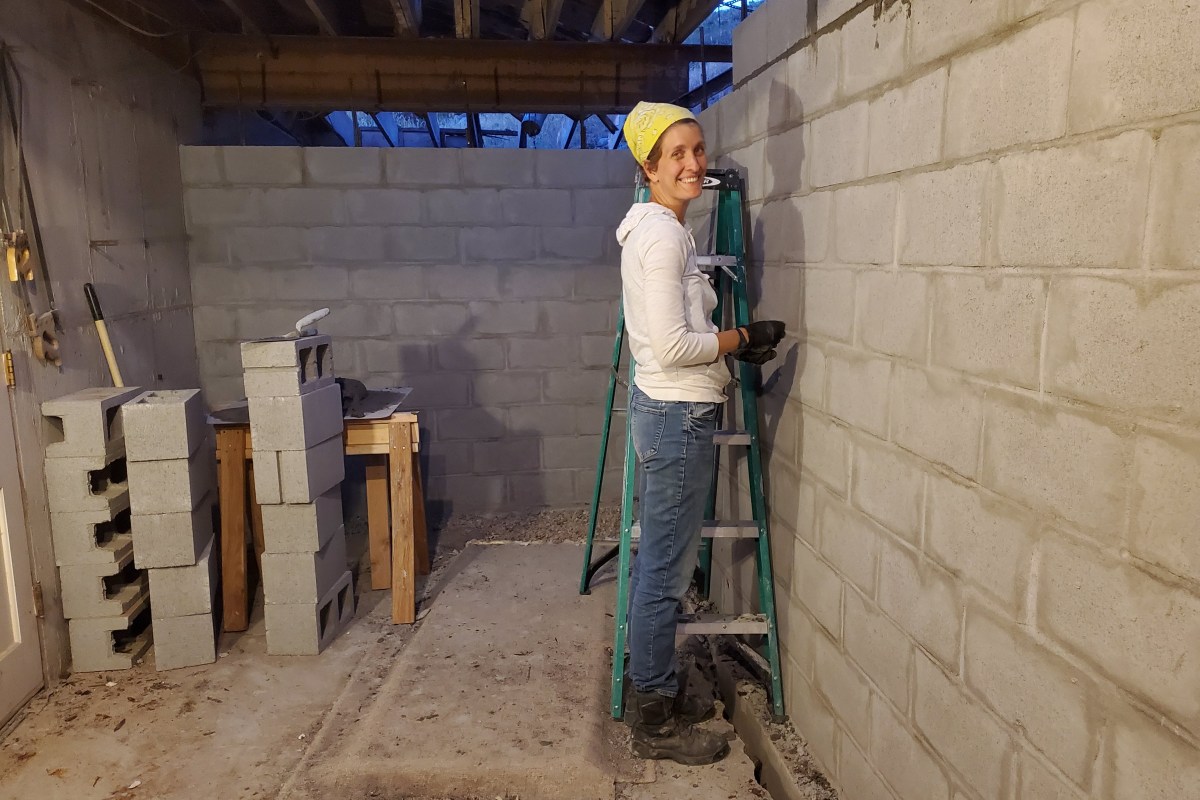
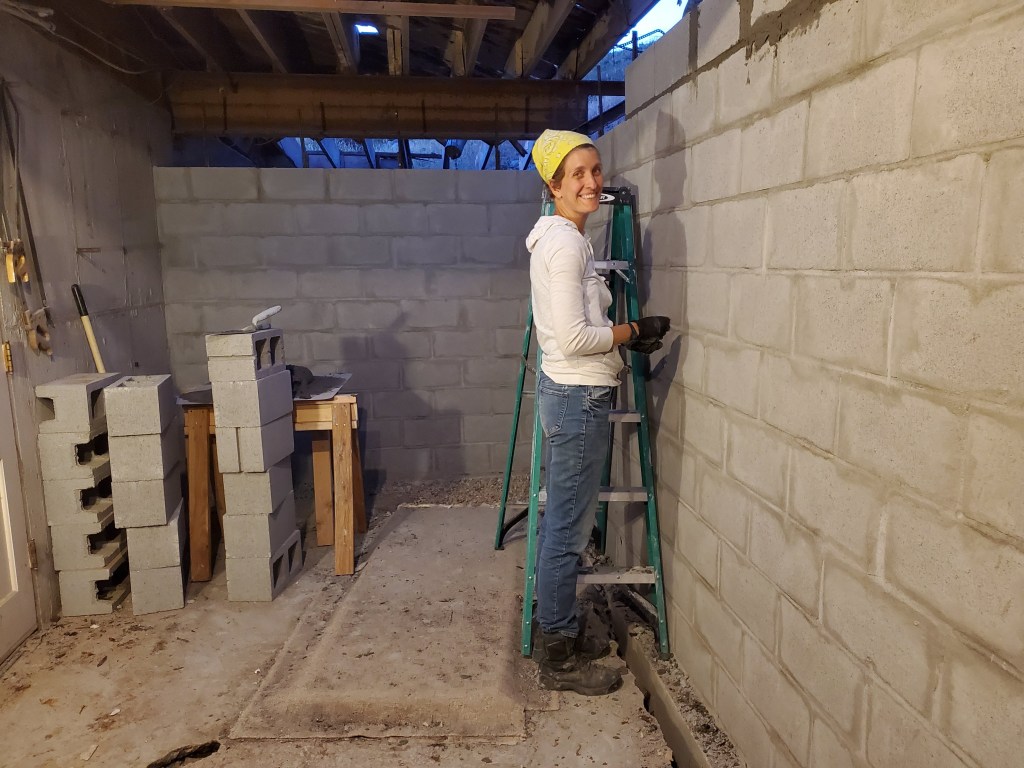
Two years ago, we built this wall brick by brick. It was a long and slow process, and we weren’t very good at it, but we tried our best and it worked out.

The Penalty Box

The Easy Way to Simplify and Delete

Like many of us, I have a hard time letting go.

I don’t want to let go of some things I own. I spent money on those things. I really liked them. And even when they no longer fit into my life, I want to figure out how I can save a space for them.

I hate deleting something I’ve written. Even if a paragraph doesn’t fit into a blog post or a chapter of a book, it may still hold insight that I really like.

And I really don’t want to delete things off of my to-do list and the goals that I have for myself. I may not be quite capable yet, and I may not really have the time, and there might be higher priorities, but I really wanted to accomplish that thing.

There is a common phrase in writing to “kill your darlings.” This phrase has been floating around since 1914–so writers have been hearing it for over 100 years now. But at a writing conference recently, I heard a writer say that instead of killing his darlings, he puts them into a penalty box.

So if I’m not quite able to get rid of my possessions, or the things that I create, or my goals and to-do list, then I can put them into a penalty box instead.

A penalty box might be a cardboard box in the garage. Or a drawer somewhere. Or a separate computer document that never gets looked at again. Or a new textbox in OneNote with the label “Penalty Box.” Or a folder in your Inbox.

Your penalty box might expire at some point, but it doesn’t necessarily have to either. You can decide the rules.

It’s really painful to get rid of some things from our lives, things that we love, even if they don’t serve us well. And a penalty box sort of cheats that pain on both sides. It allows us to remove something from our daily lives and move forward, but it also defers the pain from losing it completely.

What do you need to put in your penalty box right now?

3 steps to better use social media

Sometimes I waste a lot of time on social media. Honestly, it’s scary that these companies know so much about me and regularly use algorithms in order to steal and keep my attention. I know a few people who have deleted social media accounts, and I strongly support people doing that if they are only using social media to consume.

But social media can be a positive force in your life. Here’s how:

Create First.

Before you log on to social media, create something to share. It’s okay to just share a little bit about your life and what you are thinking. You can share a photo of your life or something you’ve seen that is beautiful. You can ask a question or do a short status update. You can also use Canva to make a social media post. I like to share quotes from books and articles I’ve read, my own blog posts, projects I’ve completed, and insight from my life.

You might think this takes a lot of time–but so does scrolling through social media! If you don’t have time to create a post, you probably don’t have time to be on social media in the first place.

And don’t worry if your posts are good or not. Just make them. Try things out and experiment. Your friends want to hear from you, not just from influencers and commercial creators.

Again, let me stress that you do this before you go on to social media. If you go onto social media first, you will be too distracted to create something.

Connect Second.

After you post something, spend time connecting with other people. This is not just looking at posts. It means interacting with posts: Share them (and say why you are sharing). Comment on them. Answer questions. You won’t want to interact with every post you see, but try to find something that resonates with you and then respond to it. If nothing is inspiring you in your feed, than change your feed–unfollow people who don’t bring you joy. And send personal messages to people you know and love.

Set limits to resist consuming.

I don’t have social media on my phone. Sometimes I will install Instagram to make a post or a story, but then I often uninstall it. And I use two apps with time limits on them: Digital Wellbeing (which is standard on Android) and YourHour. On my computer, I use FocusMe. But there are lots of other apps and programs to use. You don’t have enough willpower to not waste time on social media. Social media is designed to suck away your time, so you need backup to tell you when you need to look up and do something else.

Create and connect instead of consume. Social media can be a good force in your life–and if it isn’t, get rid of it.