Life is Not Linear

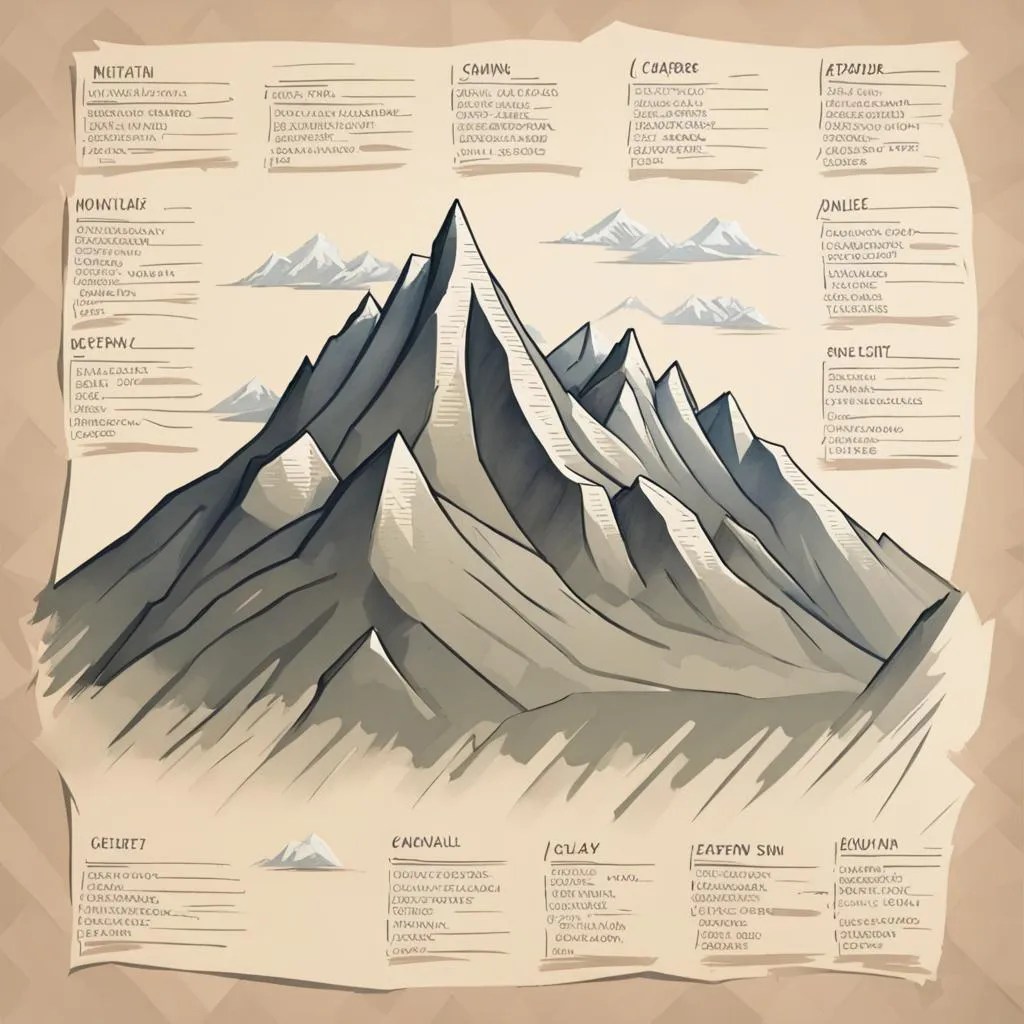
At some point in my life, I will have already completed my most important work. I will have had the happiest time.At some point, I will lose friends faster than I can make friends. I will have have been on top of the mountain and I only be able to go downwards.

And then what?

Life has many different seasons. It is not a linear progression upward, but a combination of lots of different things at lots of different times. We have seasons of productivity, success, and stability. But there other seasons of life: Rest. Decline. Struggle.

I get really frustrated with life when I want this linear progression upward. Every day better than the last. Every moment better, better, better. But it isn’t. That’s not how life works.

There are ups and down, but there are also things that are mixed up together, ups and downs at the same time.

I can be grateful for those moments that are really good, while also realized that I don’t have to keep chasing them. I can live in the season I am in, instead of just always wanting better.

The harder seasons are still really good. There are times when I’m not very productive, when I am behind, when I’m not really that happy. But that’s okay. There is still love in those seasons. There is still those small moments of joy, and it’s okay that they are small.

Life doesn’t have to progress upward in order for it to be good.

Connection over Mastery

What is the most important part of your career?

I’ve read quite a few books about productivity that talk about concepts such as mastery and flow: how to deep focus and get more done. In my career, I want to write clear papers with good arguments and be an expert in certain subjects. I want to be able to present and publish and eventually finish a dissertation.

However, at the opposite end of whatever work you do, there is someone else.

So the point of productivity may not be about accomplishing something and becoming the expert–it’s about affecting others. Maybe productivity isn’t really about mastery and flow. Productivity can be about connection and relationships instead.

Love is so much more important than expertise. Think about being a parent: it doesn’t really matter if you are an expert on parenting. It matters more that you love your kids.

And maybe that’s applicable to more areas than we think it is. You can easily see how it would matter in something like teaching or social work.

But what about something like writing and design work or policy work? How can prioritizing love and relationships make a difference there?

It seems like when we are creating something we are aimed at this product. But the product does not exist in a vacuum. The product is used by people. And so every project and product is also part of a relationship, between the creator and the user.

It can be hard to see that connection, but I think it makes the products so much better if a creator can see the relationships that surround what they create.

Goals and Climbing Mountains

A while ago, I joined the Proper Mountain Woman club for a season after a friend told me about it. My sister, Liz, also joined, and we had a lot of fun earning merit badges and completing and sharing projects. I did not continue membership in that club, though it was a fun experience. But Liz and I had both shared our progress with each other, and we wanted to continue to do so.

So Liz created a Discord server where we could continue to share the goals we had finished. We invited our other sisters as well. We do seasonal goals–winter, spring, summer, fall–with a few ranks that we can earn. You can get a rainbow rank for completing a goal in each category (spiritual, social, physical, intellectual, service, family, home and garden, career, nature, fun, food and finance, creative). Or a mountain rank for sharing 50 accomplishments and completing a large project. We also share ideas for different goals we can set.

This changed my life.

Since I was little, my dad would sit with me and we would set goals. I always loved to plan and set goals for myself, and I was fairly good at accomplishing them. I wasn’t the sort of person that would set New Year’s resolutions once a year and then forget about them completely. While I definitely fail at my goals sometimes, goal setting has helped me focus my life and spend my time in worthwhile pursuits.

But before, sometimes my goals were more of a to-do list that I just wanted to check off and forget. If you think of most to-do list apps, when you get something done, it disappears, checked off forever. Even in a to-do list, you often will scribble something out. This can be effective for certain things, like daily tasks. But it’s a bit discouraging when all you are looking at is the things that still need to get done, a list that never ends.

When I started reporting my goals to my sisters, though, I was doing the opposite.

I have a spreadsheet now that I track my seasonal goals with. I write down what I want to do in a season, and when I finish something, I literally highlight it in a bright color. And so whenever I’m planning, I already feel quite encouraged, and that gives me enthusiasm to do more.

Instead of crossing off my goals, I was highlighting sharing them. My focus changed from just getting stuff done to actually celebrating the thing that I was doing.

And it is so wonderful to share goals with other people, and have them share with you as well. It’s not at all about comparison, but about sharing and celebration. I love seeing what other people are accomplishing. It gives me added motivation. And I loved sharing projects with other people. It gives added meaning.

I think I am more proud of myself, and I mean that in a good way. I think there’s a negative version of pride, when we think we are better than others, but there is also a positive version, when we’re pleased with ourselves, when we know we are on the right track, and we feel more confident in our own abilities. There is a lot of satisfaction to know that you did something well–maybe not perfect, but good enough.

And I feel like I’m challenging myself better. Because it’s really hard to be completely self-motivated, to challenge yourself when no one sees the results. I have evidence now, evidence that I can share, that I am becoming a better person and do something meaningful with my life. And I see my sisters growing too. It’s powerful (and life-changing) to do it together.

TL;DR

  • Stop checking everything off your list and highlight accomplishments instead.
  • Find someone to share with: share your goals and the fun and good things you do with your life.
  • Count the stuff that you did that wasn’t in your to-do list in the first place.
  • Gamify your goals just a bit: have fun ranks that you can achieve.
  • Set goals about things you want to do, not just things you feel like you should.

Productivity Thoughts

Being productive is more like going on a hike than floating down a river. And sometimes I am floating down a river, going with the flow of whatever happens next. It’s not productive, because I’m not actually going anywhere I need to be.

I need to plant my feet, let the water and the the distractions and the unimportant just flow away, and start heading towards a destination that I really want to go to. I can get momentum that way, but it’s momentum with purpose, instead of just going with the flow of whatever.


I can spend too long trying to figure out what direction I am going. I often just need stop planning and do the thing instead.

But sometimes I am doing the wrong things. I get caught climbing the wrong mountain, or climbing too many mountains, working with purpose towards something that has little worth. I need to simplify my like, because I often plan more than I can ever do. I need to prioritize. I need to eliminate things I don’t want to eliminate.


Sometimes my projects are long and slow, stretching out into years. But if I work small steps along the way, the finish line comes closer and closer.

Sometimes I get things done quickly, and then fix them later. And that can be a good way to work.

Sometimes I only do things poorly, or half-baked, and it never gets fixed, and that’s okay.

Sometimes I have to cross out some of my goals because other things are better.

Sometimes I slowly wade into something instead of jumping in. Sometimes I need to jump in more quickly. Sometimes wading in slowly is still fine–because I’m heading in the right direction. Keep going.

Sometimes I keep trying, but I give myself grace along the way, realizing that I am not perfect, but I’m trying.

Sometimes I have to remember that life is more than getting things done and it’s okay to have leisure time and to do things I want to do.

And sometimes I just mess up and do things completely wrong. But sometimes, I get things right.

3 Lessons in balance

1. If you eat the frog first, you may not have energy to do anything else. So do the smallest, most important things first. Sometimes I just want to get something done, but I am happier when I exercise, read scriptures, eat breakfast, spend a bit of time with my kids and my husband before I get started on my to-do list.

2. “I can’t be intentional if I’m wasting my bandwidth on thinking about what people might be thinking about me” (Dillon Hoyt).

3. Setting boundaries includes taking time to care for others, time to care for yourself, time to spend with the people you love, time to focus on work, time to move your body, time to cook and eat, time to be outside, time to create–and only one thing at a time. I have a big project due soon, but I’ve had to set the hours in which I’m going to complete the project. I don’t want it to take over my whole life.

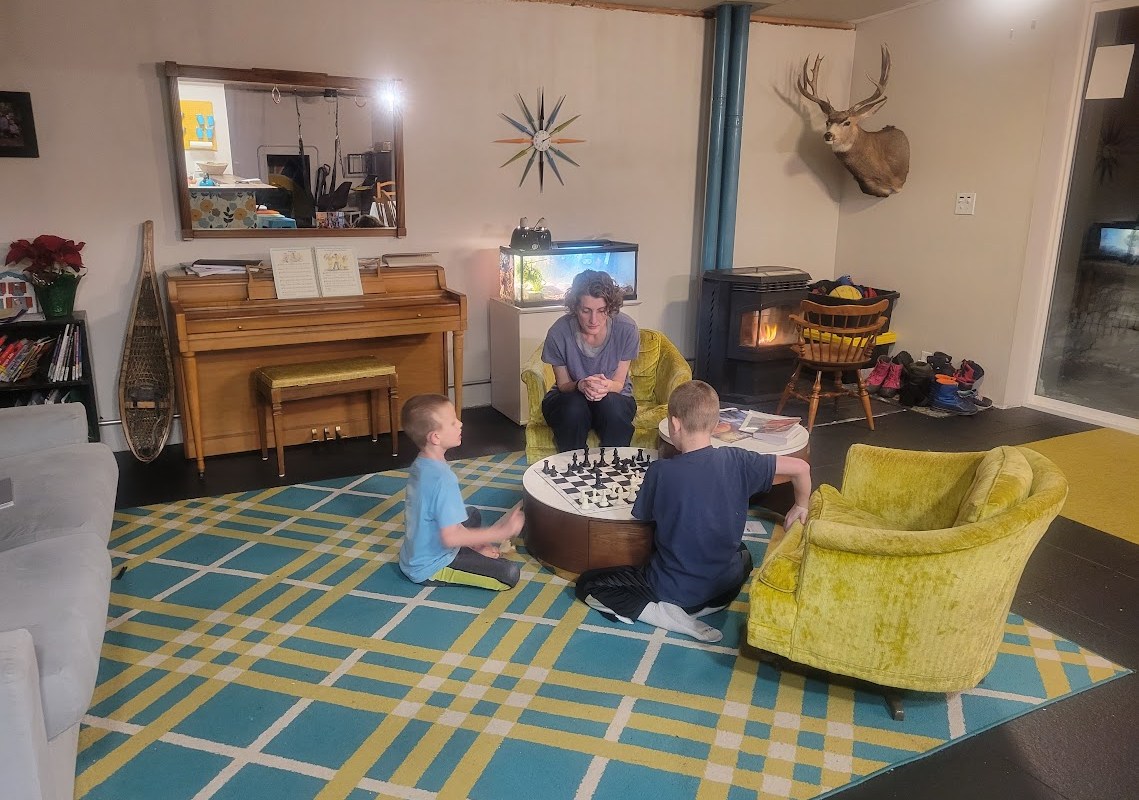
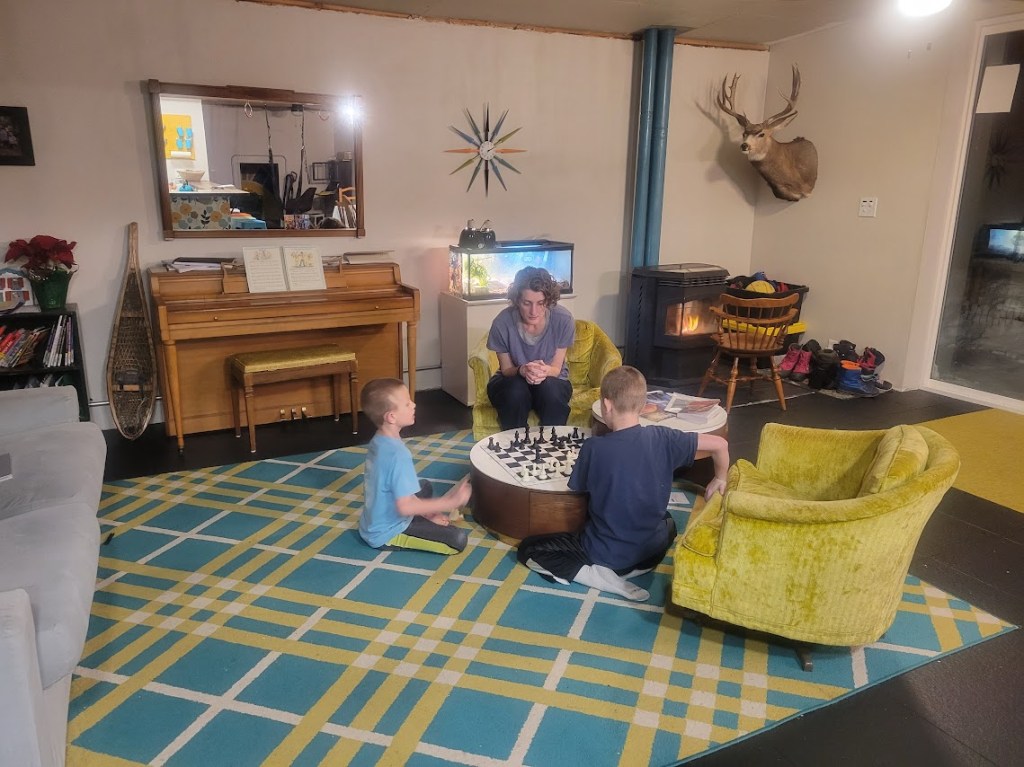
Heather plays chess with her son

Not time management

Four thousand weeks in a lifetime. 168 hours a week. Split into 15-minute increments. Planned and agonized over. We think we want to master time, to figure out how to use all of the time we have to do more and become better.

I have enough time. Time management isn’t my problem.

I can sit and figure out how to use my time. But I have a much harder time figuring out how to my energy and focus and capabilities. There are constant interruptions and I get overwhelmed.

I have time. But now matter how much I plan out my days and weeks, life is unexpected and I don’t have the energy to do everything I want to.

So I wish we would stop talking about time management. It’s fairly easy, because it’s quantifiable and straightforward. Time keeps going in the same direction.

But I want to know more about energy management. And focus management. And emotional management. I don’t really need to use my time well, but I do need to use myself well. And that is a whole lot harder.

3 steps to better use social media

Sometimes I waste a lot of time on social media. Honestly, it’s scary that these companies know so much about me and regularly use algorithms in order to steal and keep my attention. I know a few people who have deleted social media accounts, and I strongly support people doing that if they are only using social media to consume.

But social media can be a positive force in your life. Here’s how:

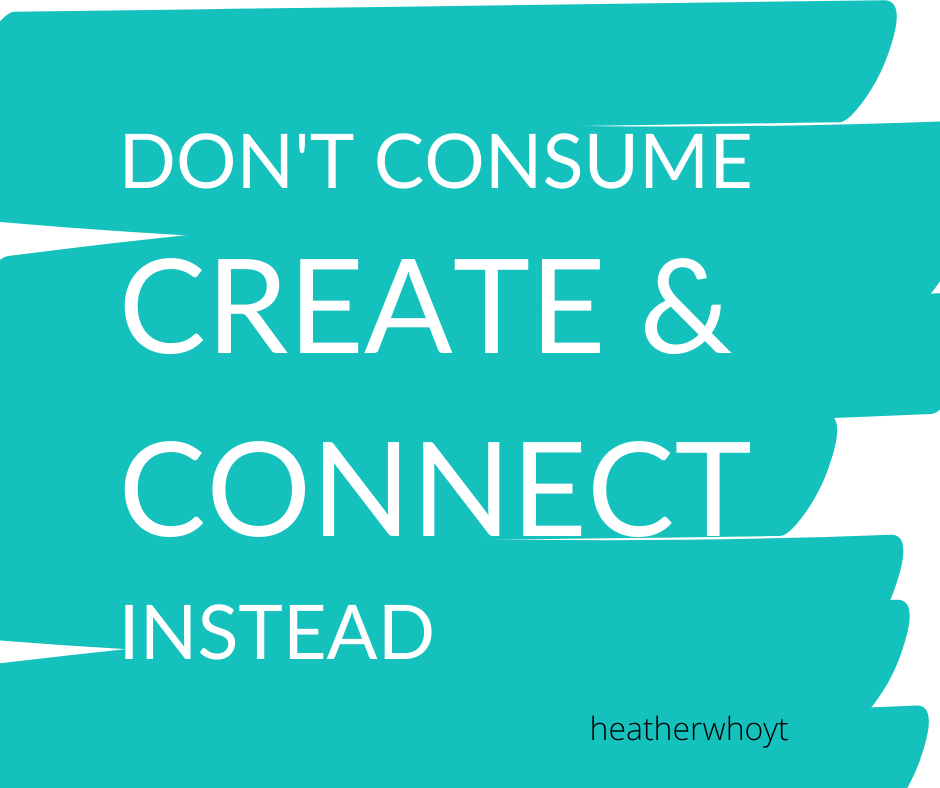
Create First.

Before you log on to social media, create something to share. It’s okay to just share a little bit about your life and what you are thinking. You can share a photo of your life or something you’ve seen that is beautiful. You can ask a question or do a short status update. You can also use Canva to make a social media post. I like to share quotes from books and articles I’ve read, my own blog posts, projects I’ve completed, and insight from my life.

You might think this takes a lot of time–but so does scrolling through social media! If you don’t have time to create a post, you probably don’t have time to be on social media in the first place.

And don’t worry if your posts are good or not. Just make them. Try things out and experiment. Your friends want to hear from you, not just from influencers and commercial creators.

Again, let me stress that you do this before you go on to social media. If you go onto social media first, you will be too distracted to create something.

Connect Second.

After you post something, spend time connecting with other people. This is not just looking at posts. It means interacting with posts: Share them (and say why you are sharing). Comment on them. Answer questions. You won’t want to interact with every post you see, but try to find something that resonates with you and then respond to it. If nothing is inspiring you in your feed, than change your feed–unfollow people who don’t bring you joy. And send personal messages to people you know and love.

Set limits to resist consuming.

I don’t have social media on my phone. Sometimes I will install Instagram to make a post or a story, but then I often uninstall it. And I use two apps with time limits on them: Digital Wellbeing (which is standard on Android) and YourHour. On my computer, I use FocusMe. But there are lots of other apps and programs to use. You don’t have enough willpower to not waste time on social media. Social media is designed to suck away your time, so you need backup to tell you when you need to look up and do something else.

Create and connect instead of consume. Social media can be a good force in your life–and if it isn’t, get rid of it.

Running as fast as I can

Kids running GIF

I don’t like to run. I did track in junior high, and my best event was the 400 meter, which is a horrible event. You have to run fast and long. (It is slightly better than the 800 meter.) I wasn’t fast. And I don’t like going on long runs. The longest I have ever run is a 5k, and I did that once.

But I do like to pile things onto my to-do list. I want to work on everything now. My current projects include finishing my inspirational self-help book, writing a new novel, writing a new inspirational self-help book, leading a writing group in my community, beta reading for another writer, building up my Instagram account, doing a writing workshop, and updating my blog. That’s just writing stuff. Then I am working to finish the Khan Academy calculus bc course, keep learning how to code in R better, and read nonfiction in the areas of rationality, philosophy, and economics, including finish reading that macroeconomic textbook because I didn’t do well in macroeconomics in college and it bothers me. I am also renovating a house, and today I painted the laundry room walls and flooring, and I need to put that room back together. I need to mud and tape my whole house and paint it. And I need to prune my apple tree and work on my yard, including taking care of my birds. I am trying to be a good neighbor and want to go visit others more. I volunteer at the school. And I need to keep my house clean, which includes dusting on occasion and doing a lot of laundry. I also am trying to touch my toes, do more push-ups, and drink 64 ounces of water every day.

And I want to be a good mom, pay attention to my kids, teach them piano, and read with them. And I have a husband whom I really like.

It’s sort of a lot. But not really. Because I don’t have to do all of that at once. I can only do one thing at a time, after all.

Sometimes I need to simplify and slow down. But that doesn’t mean I need to give up on my goals–a lot of them can be pushed to later. I can prioritize by realizing what season of life I am in right now, and then being patient with myself when I can’t do everything right now, but I can do everything over time.

Do not run faster or labor more than you have strength and means provided to enable you … but be diligent unto the end.

Doctrine and Covenants 10:4

I don’t need to remove things from my to do list for forever. Just for right now. I want to pace myself by not trying to do everything every day, but just a few most important things every day.

Today, I’m not worrying about my novel, or my writing workshop, or reading my macroeconomics textbook. Those things can happen later. Today, I am focusing on working on my laundry room, finishing the draft of my inspirational self-help book, and taking care of my kids, one of whom has pink eye, and another one who threw up last night (but he’s fine now). I’m writing this blog post as they happily play with Duplos.

In the evening, I’m going to watch one of my favorite TV shows with my husband and work on the Semantle and Nerdle puzzles for the day, because I don’t need to be productive all the time. But hopefully things like entertainment and spending time doing nothing on my computer can be minimal: because while I want to avoid running too fast, I do want to keep running instead of getting distracted and forgetting what direction I’m heading.

Where are you running to? Are you going too fast? Do you need to pick up the pace a bit? What can be put off until later and what needs to happen right now?

103. What is one way to achieve my goals?

Set more realistic goals.

I’m working on writing a book, and I had a goal to get through my current draft and then complete another draft before the end of the year. In my head, I have all this time to write.

In reality, there is a lot of my life that takes up more time than I realize: being a mother, renovating my home, and the simple fact that I am not capable of being productive for 16 hours a day. I need down time too, and I’m not a particularly high-energy person.

So I changed my goal: I’ll finish one draft by the end of the year (I have 2.5 chapters left to edit), and then I’ll start on another draft in January. And my brain is telling me, “No, Heather! You can do more! You can work on this faster!”

But right now, writing is down the priority list behind taking care of my family, renovating my home, volunteering at the school, and more. And that’s okay.

So I’m trying to make my goal a little bit more manageable, with the hope that when it is more realistic, I’ll be more motivated to work on it more often, since I won’t be constantly behind.

7. How do I stop wasting time?

According to an app that I use, I spent almost 6 hours one week on Google. I spent 3 hours 15 minutes on Netflix. I spent 3 hours on Gmail. And I spent another 3 hours on YouTube. I spent less time on Facebook, as I have been checking it once a week (which is completely sufficient).

But 6 hours searching for things on the internet? I don’t know if that is totally accurate, but I do spend too much time looking up what randomly comes into my brain. I am sure that some of my searches are productive, but many of them are not.

I often will stop one method of wasting time only to fill it up with another one. I stop checking Facebook only to look at the news more often. I stop watching Netflix only to watch more YouTube.

I don’t want to waste time, but I persist.

(Most of this discussion has been wasting time by staring at a screen–but this is not the only way I waste time. I recently spent 10 hours reading a book that I had already read before, and I don’t see how that’s much better than watching 10 hours of movies.)

I get distracted very easily sometimes. I do things that are easy and fun, instead of taking the time and effort to focus and work hard.

So how do I focus? How do I prioritize?

  • Planning what I want to do in a day and when I want to do it.
  • Get out of the house and change my location.
  • Keep trying even when I get distracted, and bring myself back to focusing again.
  • Fill up my life with enough good things to do that I don’t have time and energy to sit there and be bored.
  • Use routines so that I know what to do next instead of constantly trying to figure it out.
  • Block of certain hours for focus and certain times for leisure.
  • Review my goals, values, and commitments regularly.
  • Get enough sleep, exercise, eat, and drink water.
  • Take breaks by getting off the computer when I’ve been on it for a while.
  • Track my time so I have to be accountable for where the minutes go.
  • Have lots of good things to do that I really enjoy doing and want to do.

Any other suggestions that help you?