-
Complications
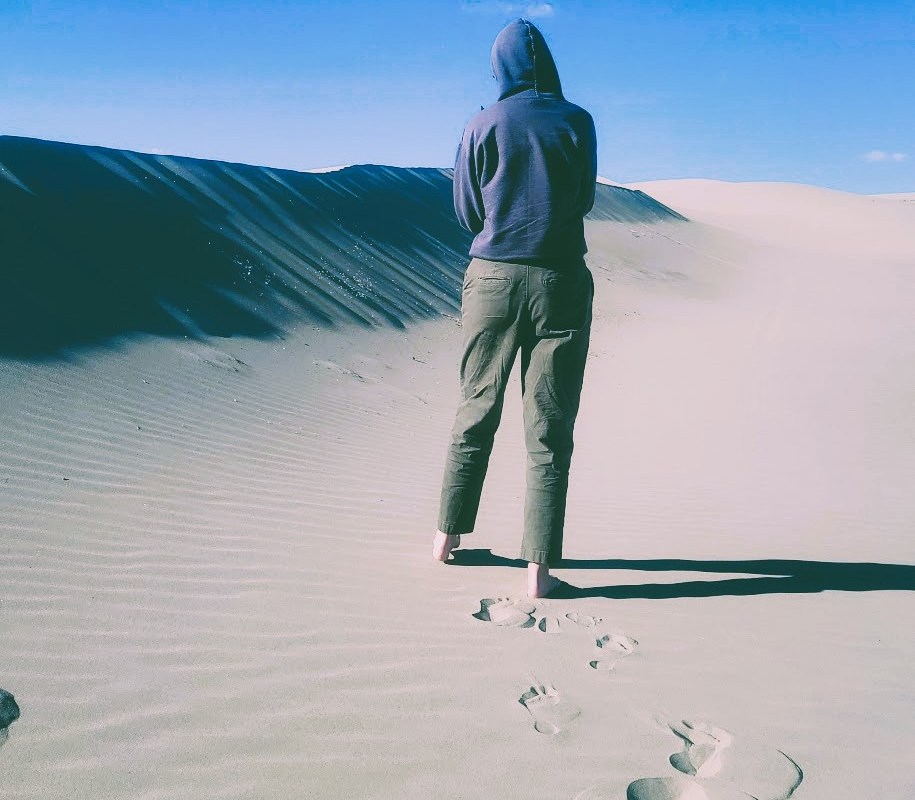
Sometimes we are trying to make sense of the world, and the world doesn’t make sense.
Would it be better to live in a perfect world, where we all do the right thing? Or is it better that we can make mistakes and fix them and become better? I am inclined to think that I need a world where people mess up. That I would not want a world where mistakes rarely happen. There is something beautiful about failing and then getting up and trying again.
Mistakes mean that I can get hurt, and that others get hurt, and that really horrible things can happen. But people can also change. People can improve. And people can be loved even when they aren’t perfect.
Suffering can bring transformation. I love who I am right now, even though I am imperfect, and I love seeing myself grow and transform into someone a little better, a little different.
I learn to love others not because they are prefect, but because they are flawed. It is in the moments when a person makes a mistake when I rely on my love for them. I hold them close when they think they are failing, and they often reciprocate when I fail too.
We work to make the world a better place, but in order that work to happen, the world has to be full of mistakes and wrongs and suffering. Improvement only comes in imperfection.
-
Going down another path

About a year and a half ago, I was looking down two different paths of life. One was writing. Specifically, writing inspirational nonfiction. I had written the book. I had the ideas for another book in my head. So I went to a workshop to get better. I learned. I kept editing one book and outlining the other. I thought I could do this, if I kept working hard and improving and learning. I have always wanted to write and publish books.
I was networking with people and following social media accounts where people shared wonderful things. Sometimes they shared how they felt called to speak and write, and then success came. I wanted to feel that way too, but I didn’t.
There was a second path. I applied to graduate school, in philosophy, at only one school. They only let in a few people. And I was waitlisted first. I wasn’t sure I would get in at all. But I also felt it was the right path for me.
I’ve really wanted to be successful in certain ways: like having people read my blog, or read my books, or follow me on social media. I wanted to get things published and out there for people to see. But that never happened.
The second nonfiction book I outlined is called The Joy of a Simple Life. It’s about how success and failure often need to be reframed. Helping others in a small sphere of influence is a good and successful. Even if that means you’re a mom spending all the time on your kids. Or a teacher, spending hours just so a person can understand what a metaphor is. Or a neighbor, patiently checking in with your friend. Those things matter. Those things matter more than the big things that we put labels of success on.
I recently got a rejection letter for my book. It was expected, but it did finally close that chapter of my life. I still love writing, but I also am starting to really love teaching and education even more.
I don’t know if I’ll ever get a book published. I still want to. But that isn’t really what success looks like for me anymore. I think the more important work I do is interacting with individuals. It’s small and simple, but small and simple is the best kind of impact I can have.

-
No right answer: it’s not an optimization problem

The great majority of all our decisions are not between right and wrong, where there is only one good pathway to take.
Our decisions are often between one good option and another good option. Sometimes they are between five bad options and no good options. Sometimes we have no idea how many options we have, and we just pick something that’s good enough.
I have had the hardest time making decisions regarding my kids’ extracurricular activities. I am actually grateful I live in a smaller town so there are less options. But even with the few options I have, I feel like I have to figure out how to optimized my child’s potential so that they can both be happy and also become the most capable that they can be.
But choosing extracurricular activities is not an optimization problem, where there is one best answer. I don’t have the necessary information to optimize, because my kids are young and I don’t know if they will like something or not. They have to try it out first. And skill is not just built on natural talent, but also grit and determination, so sometimes I have no idea what a child will actually be good at. There are too many factors, many of them are just chance.
It’s not that my child and I will choose the path that will make them the best version of themselves; we’re just choosing between different versions, and there is no way to determine which version is better.
Acrobatics, choir, drama, soccer, basketball, swimming, art, coding, crafting, fishing, archery–any option is fine, really. There is no right answer. They just need to try something, hopefully find one thing that they sort of like, learn how to work hard and do their best. It doesn’t matter if we decide to play soccer, or take dance lessons, or whatever.
I do think there can be some choices that would be problematic: involving my child in too many extracurricular activities, for example, so that we have more to do than we are able to accomplish. Another problematic option would to have my kids do no extracurricular activities and then give them unlimited screen time.
But in the middle, there are just a ton of options and I can’t tell which was is the absolute best, so we just choose something and hope for the best and make adjustments as needed.
Relatedly, this attitude has helped with menu indecision. I used to view menus as an optimizing problem where I would try to order the thing on the menu that would give me the most pleasure for the least amount of money. But I didn’t have the information that made this possible (usually I haven’t tried anything on the menu yet). So I stopped viewing ordering food as an optimization problem.
It’s an exercise in exploration instead: I’m just going to try things out. I will dislike things. That’s part of the uncertainty of life.

-
Productivity Thoughts
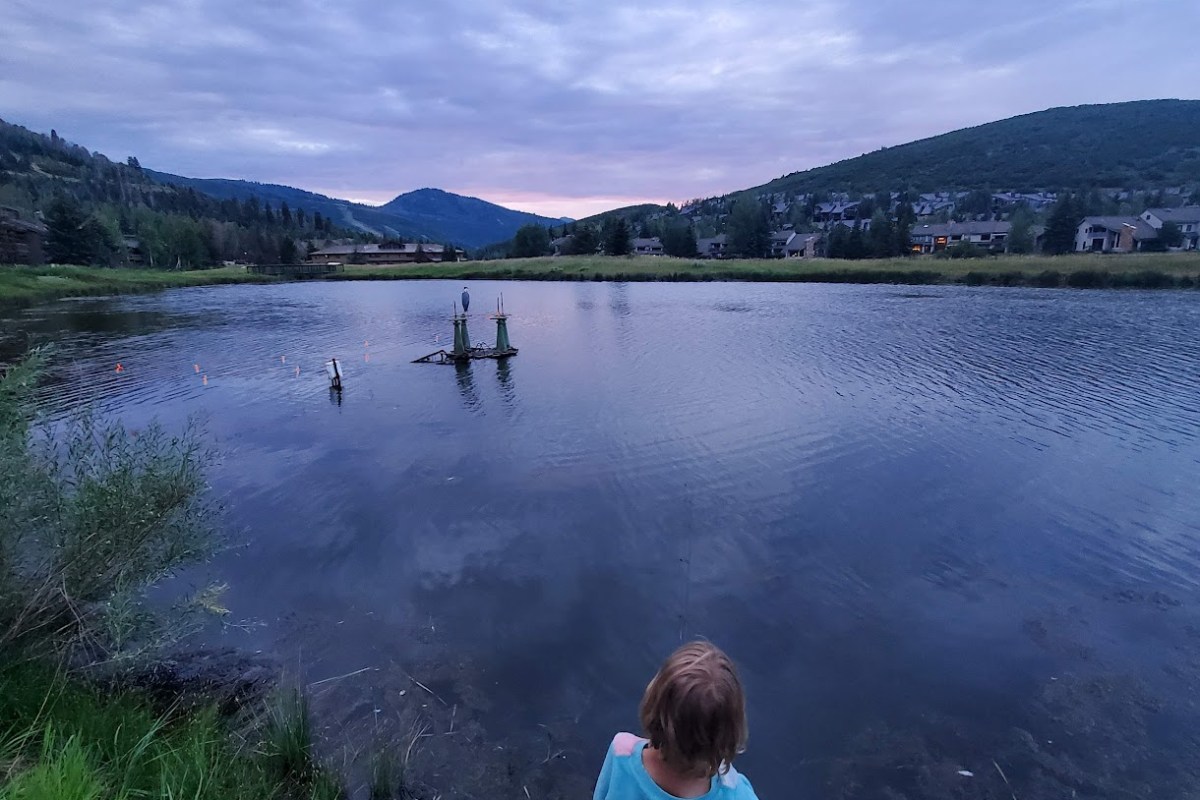
Being productive is more like going on a hike than floating down a river. And sometimes I am floating down a river, going with the flow of whatever happens next. It’s not productive, because I’m not actually going anywhere I need to be.
I need to plant my feet, let the water and the the distractions and the unimportant just flow away, and start heading towards a destination that I really want to go to. I can get momentum that way, but it’s momentum with purpose, instead of just going with the flow of whatever.
I can spend too long trying to figure out what direction I am going. I often just need stop planning and do the thing instead.
But sometimes I am doing the wrong things. I get caught climbing the wrong mountain, or climbing too many mountains, working with purpose towards something that has little worth. I need to simplify my like, because I often plan more than I can ever do. I need to prioritize. I need to eliminate things I don’t want to eliminate.
Sometimes my projects are long and slow, stretching out into years. But if I work small steps along the way, the finish line comes closer and closer.
Sometimes I get things done quickly, and then fix them later. And that can be a good way to work.
Sometimes I only do things poorly, or half-baked, and it never gets fixed, and that’s okay.
Sometimes I have to cross out some of my goals because other things are better.
Sometimes I slowly wade into something instead of jumping in. Sometimes I need to jump in more quickly. Sometimes wading in slowly is still fine–because I’m heading in the right direction. Keep going.
Sometimes I keep trying, but I give myself grace along the way, realizing that I am not perfect, but I’m trying.
Sometimes I have to remember that life is more than getting things done and it’s okay to have leisure time and to do things I want to do.
And sometimes I just mess up and do things completely wrong. But sometimes, I get things right.
-
Doldrums of Summer
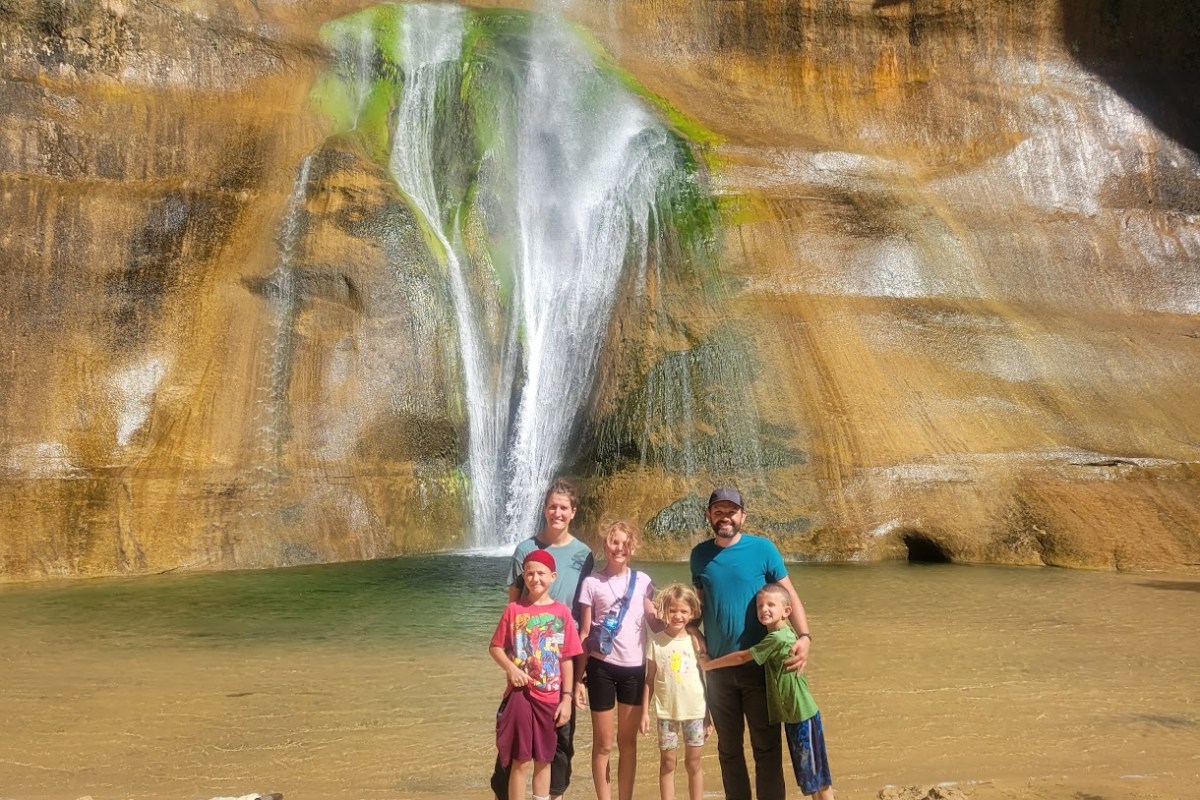
I really like structure, but I’m not good at self-imposed structure. Which means that summer break is hard. No structure. Just endless days of trying.
And I’m sort of done with it now. It’s fun in the beginning to have more time as a family and to feel free from the confines of school. But then there are days and days that I just have to figure out, not only for myself, but for the rest of my household. And that household is a lot sometimes. I have an almost-teenager who wants to be with friends all the time, an almost preteen who primarily plays video games, a scattered boy who is often imagining, and a little girl who thinks that I need to entertain her. And I also have two cats who poop by my front door, two geese who like to tear things apart with their bills, one duck who decided to go broody, and two baby ducks who are quickly growing into adults. And a turtle who likes the occasional strawberries. I also have a house and a yard that have their own needs that I don’t always meet very well.
We have gone camping and hiking and swimming and canoeing. We’ve gone on a bike ride and played with a slip ‘n slide. We’ve been to parades. We’ve had birthdays and parties. We’ve seen family. We’ve gone to national parks and state parks and city parks.
We’ve had some awesome experiences. And some really good little experiences too. And I am really grateful for all those good summer moments.
But so many messes. So much complaining.
I miss structure. I miss needing to be places and do things because other people are expecting me to show up. I miss my own school. I miss my kids having structure. I just don’t love being home with them all day for days on end. We usually go lots of places so that we’re not home all the time, but sometimes we get sick of going places too.
I miss school lunch. I miss my kids’ teachers. They are wonderful, and they deserve a good break (and better support and more pay). They enable my kids to be better. They help me so much in raising my kids to be the best version of themselves. It’s hard to do it without them during the summer months.
If you are struggling with summer, you are not alone. It’s hot and tiring and itchy and exhausting.
I will keep going, and do the best I can to enjoy the rest of my summer. We still have great things planned: more camping, more hiking, more canoeing, more fishing.
There are only 26 more days . . . that’s the number of letters in the alphabet . . . maybe I can making something fun out of that . . .
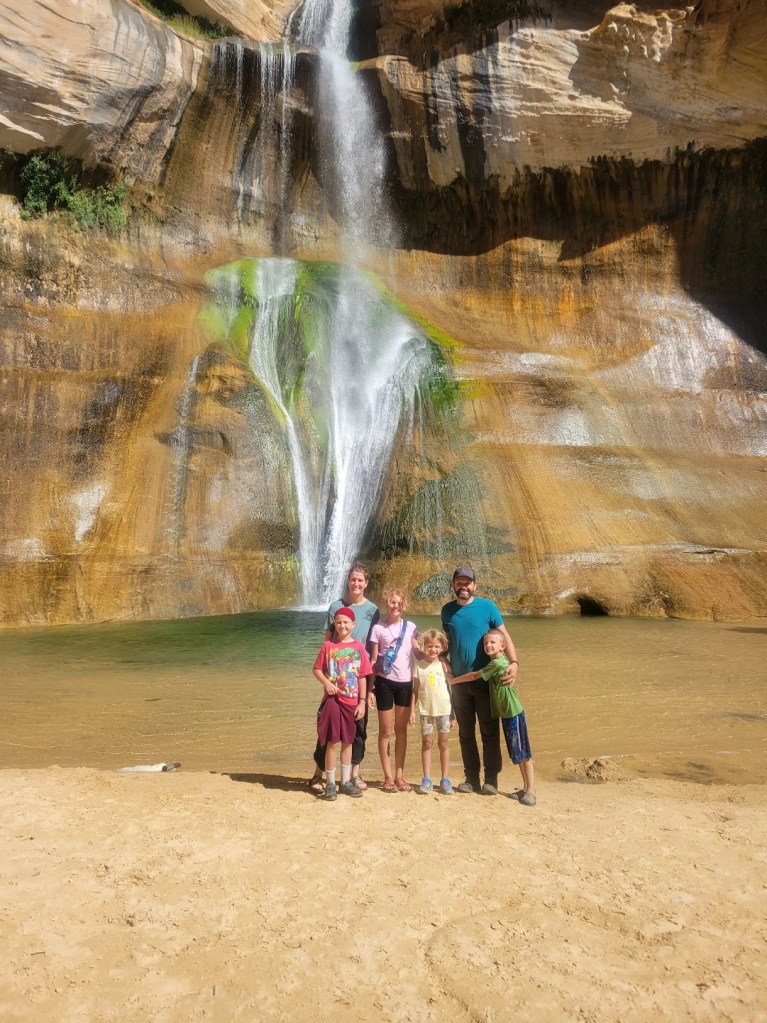
(That waterfall was a highlight so far this summer.)
-
My job is not to make my kids happy

I got angry the other day. My kids were fighting over who got to sleep on the trampoline, and there was no combination that existed that would make them happy. If I made some kids happy, others started crying. And I was very frustrated.
I had to take a break and walk away. I thought of the problem a little more and realized that I couldn’t solve the problem as it currently existed. The solution I wanted was to make all my kids happy. But their preferences didn’t align in a way that I could do that successfully.
I could try to incentivize them in some way, such as letting the kids who didn’t sleep on the trampoline watch a movie. But that was just creating more problems–and those sorts of incentives can be extremely costly to me.
So I realized that the easiest way to solve the problem was to stop trying to make my kids happy. When I relaxed that requirement, a lot more solutions became available. And I no longer felt overwhelmed by an impossible problem.
When my kids were babies, when they cried, I needed to help them. But as they got older, they wanted more and more things. And sometimes what they want doesn’t make sense.
In a way, it’s easy to try to just give my kids what they want. Because then they stop whining, and I hate hearing them cry and complain. But they need to learn, more than they need satsification.
I need to provide food, clothing, shelter, education, love. I do not need to provide happiness, entertainment, treats, movies, video games, and solutions to all of their problems. My kids want more of me than I can give sometimes, but I can use that as a way to teach them to become more self-reliant, more grateful, more kind to each other, and harder workers.
Relatedly, I’ve stopped trying to make things fair all the time. Sometimes things just aren’t fair. Someone will get more birthday presents, or more dessert, or more time with friends. Sometimes I treat my kids differently because they are different, and because I don’t have the time and energy to equally distribute everything.
I still think fairness can be very important virtue. But fairness as a virtue doesn’t mean noticing when someone else has more and wanting more as well. That selfish fairness is not usually helpful or virtuous. What is better is using fairness as a way to share, to help those who have less, and to notice people who are left out.
I don’t need to be the sole distributor of fairness in my family. I don’t need to keep giving my kids more and more and more. I can teach them to share with each other instead, to be grateful for what they have, and to be okay even if someone has more than they do.
Two of the kids slept on the trampoline. Two of them who wanted to did not. The ones that did not were not happy about it. But I explained my reasoning, and then I let them feel however they wanted to feel. And honestly, once I made the decision, they weren’t as upset as I feared they would be. They don’t actually expect to always get what they want all the time. But if they think they can get it by crying and complaining, they are more likely to cry and complain.
Sometimes being the best mom I can be means not making everyone happy, explaining to my kids why I can’t give them what they would like, and holding to my decisions. That’s teaching them.
-
Narrative Motivation
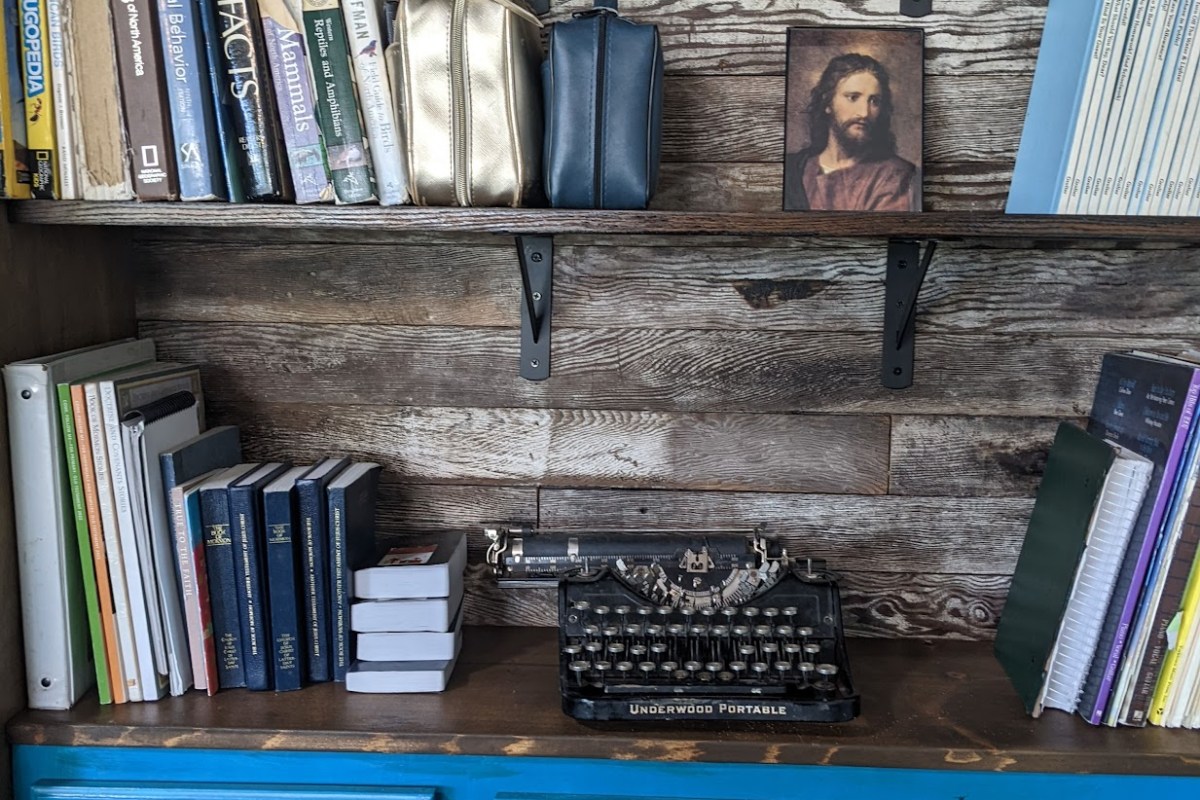
I recently read Narrative Economics by Robert J. Shiller, a Nobel Prize-winning economist. In that book, he talks abut how viral narratives can change people’s behavior–which changes the markets and economy. He suggests that economists should really be paying more attention to common narratives.
I’ve also been researching and thinking about motivation lately. In Drive by Daniel H. Pink, there are three types of motivation: Type 1 is getting what you need (you cold think of Maslow’s hierarchy of needs, or just that when you feel hungry, you want to eat). Type 2 is incentives, or rewards and punishments. Type 3 is intrinsic motivation, which is basically doing things that we just like to do, and working towards flow and mastery.
But that seems incomplete. For example, suppose that I clean my home well right before I go on vacation. I’m not doing it because I need anything. I’m not doing it because of some sort of reward–I’m going to be gone, so I don’t get to enjoy the clean home. I’m not doing it because I am intrinsically motivated to clean, as I don’t like cleaning. So why do I clean my home?
Because I believe in a simple narrative that I learned growing up: you leave your home clean. I saw my mom clean our house before vacation. So I do the same things. That’s just what you do.
I think a lot of what we do is not about what we need (a lot of those needs are already met), and not about incentives (while there are natural consequences to our actions, we do a lot of things without considering consequences), and not about intrinsic motivation (because I am constantly doing things I don’t really like to do). We do things because we believe narratives. Narratives like:
- Parents play with their children.
- Moms are in charge of keeping the house clean.
- Grass is green.
- Good people help others.
- Every meal needs a protein, grain, and vegetable.
- People in my family get good grades.
- Successful adults buy houses.
- To do lists need to get done.
These aren’t long stories, but short things that we’ve picked up from society. We’ve learned from parents, friends, family, neighbors, communities, social media, articles, books, movies, TV, etc., etc. We are all building the stories of our lives from these short narratives about what is normal or what you should do actually direct a lot of our behavior.
We can’t always change the narratives we believe in. But we can change what we pay attention to. We can build our values. We can spend time with different people. We can have transformative experiences. And all those experiences build our story, and the narrative that we believe in.
What are your narratives that motivate you?
Also: this idea is new and I think it might be a good idea, but I’m still working on developing it! Please share all your thoughts you have: questions, confusions, disagreements, agreement, etc.

-
Start of summer and reflections on graduate school
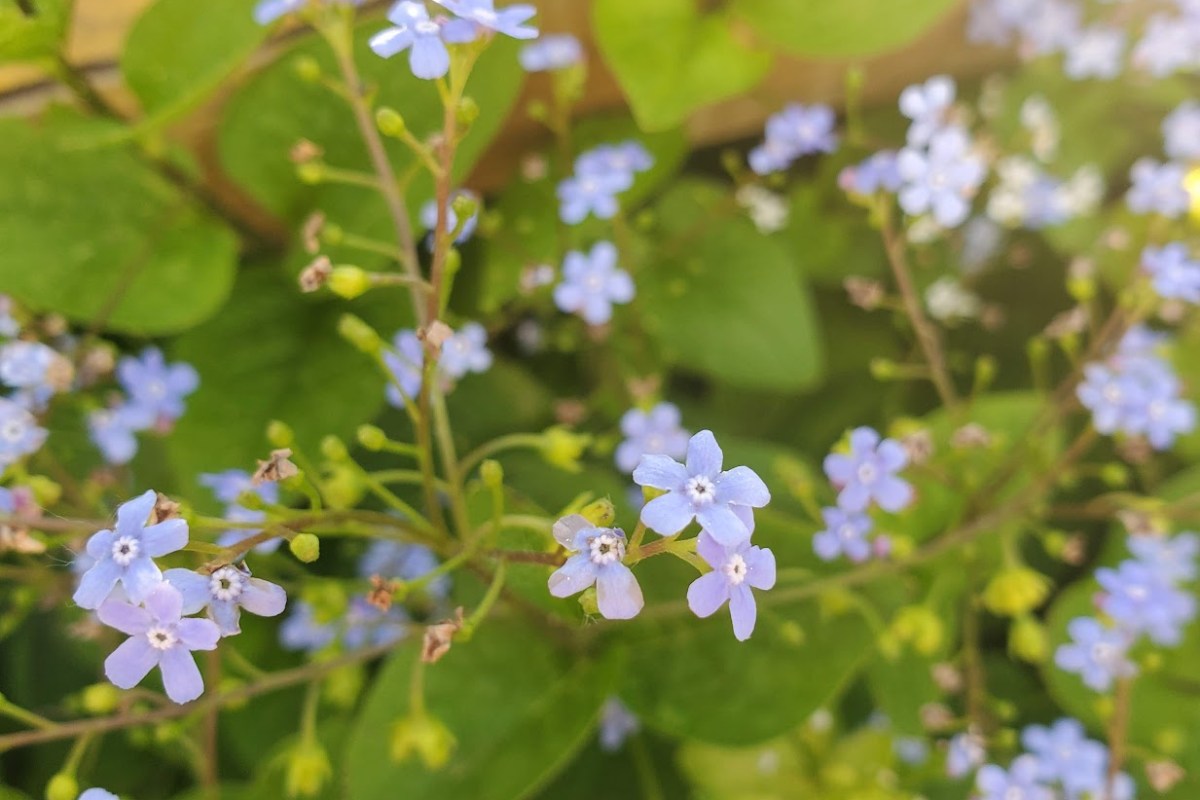
I love summer. I’m back to being a full-time parent right now. We are busy as a family: birthdays, rodeos, going to state and national parks, swim lessons, rock climbing lessons, piano lessons, family reunions, camping trips, building a deck, etc.
I’m not required to work on any schoolwork this summer. But I find myself feeling like I should be writing papers and doing research.
I heard something recently from a podcast talking about what grad students wish they’d known about doing their PhD. When you’re a PhD student, you are working on your PhD. You get to decide what that looks like. But it’s really easy to do the research and the work that you think you are supposed to do, instead of the research and work that you really want to do.
Right now, my plan is not to continue working in academic research beyond my PhD program. I’m not looking for a tenure-track research job. I want teaching and educating to be a bigger focus, and when I do research and write things on my own time, I would prefer to write to a different audience than one that is purely academic.
I could worry about getting lots of publications. I could worry about going to lots of conferences. I could worry about building a longer and longer C.V. But that only enables me to get jobs that I’m not necessarily interested in.
People ask me what I want to do with my PhD. I usually say I want to teach college classes, which is accurate, but more importantly, I am getting a PhD because I want to get a PhD for its own sake. I want to complete a dissertation. I want to be a teaching assistant and teach my own classes. I want to write academic papers while in graduate school. But then I’ll graduate (hopefully) and do something different.
When you’re in the academic world, it is so incredibly competitive. Publishing is very competitive. Jobs are very competitive. But it’s okay if I’m not at the top of my program. I don’t necessarily need to enter myself into the competition. Other people can win awards and publish papers–and I can figure out what I want my PhD to look like. I can focus more on what I want to do and what would be the most meaningful work–within the constraints and requirements of getting a PhD.
That’s not to say that I can do whatever I want. I do have requirements I need to complete. I do want to do work that is helpful to other people. And if a graduate student does want a tenure-track job in philosophy, they probably do need to do a lot of research and get published and win awards. But I don’t need to impose restraints and requirements on myself that don’t exist and won’t actually help me with my long-term goals.
So here are some questions I can ask myself when determining what to do with my time:
- Is this required?
- Do I really want to do it? Why?
- Is this meaningful or helpful to others? How?
- Will this help me with my long-term goals or values?
If the answer is no to all of those questions, I should focus on something else.
-
My home
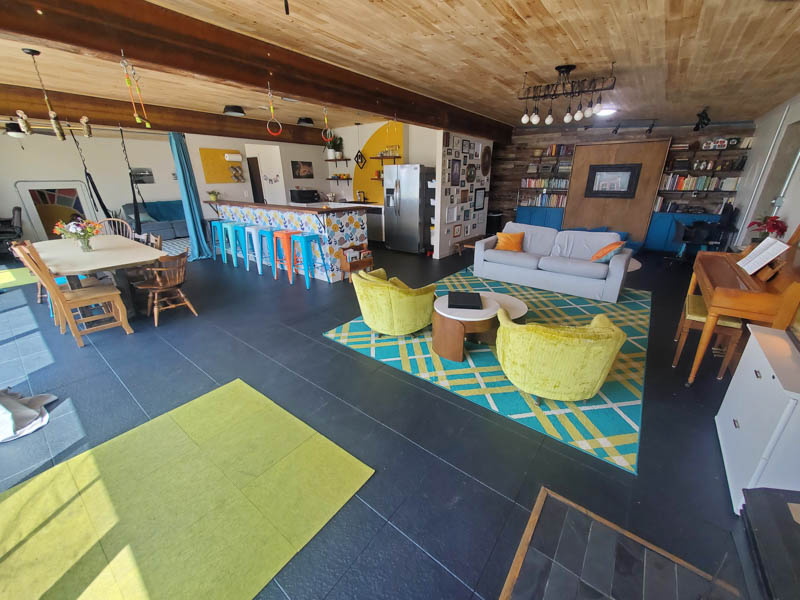
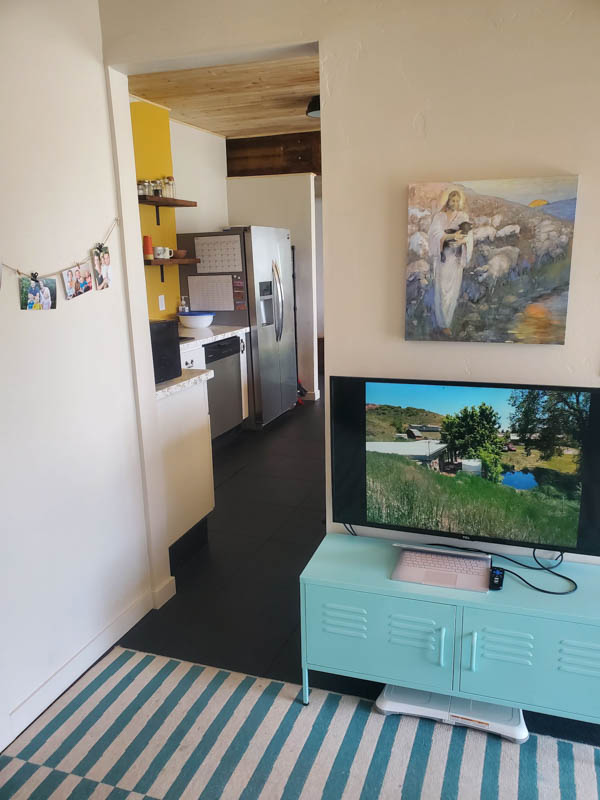
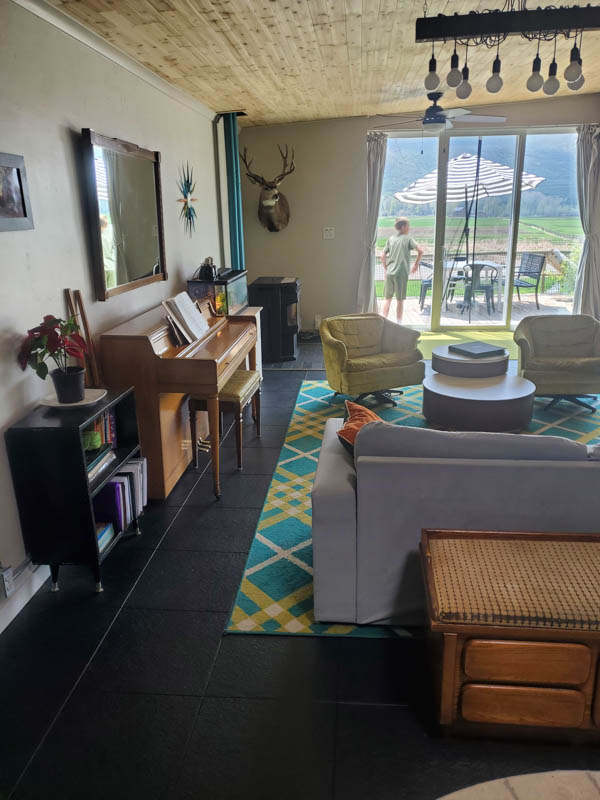
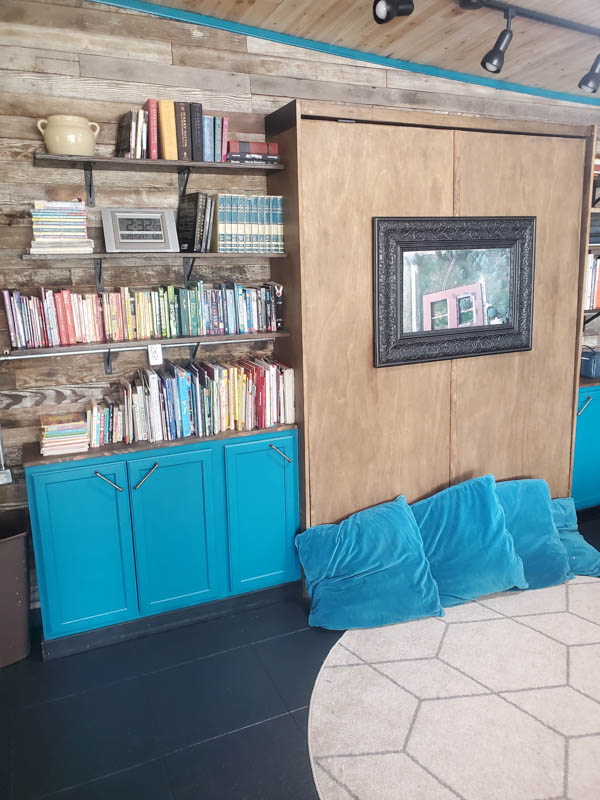
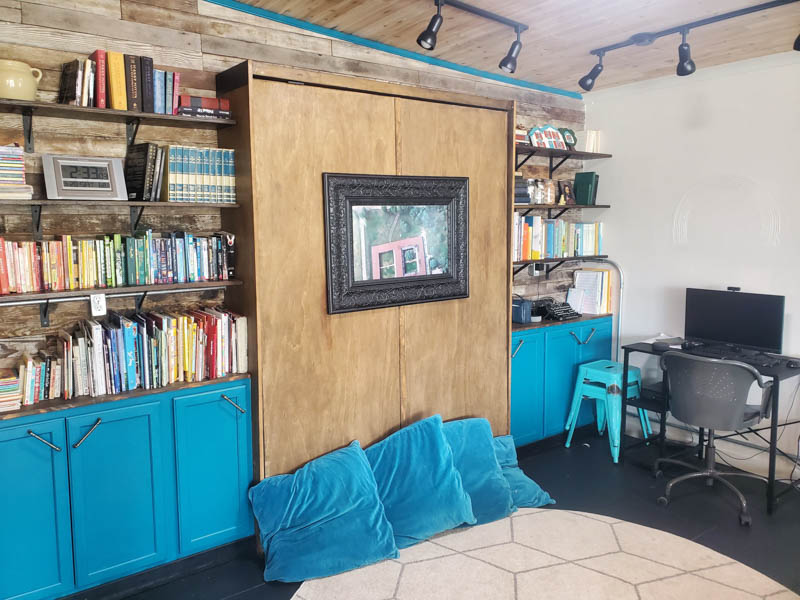
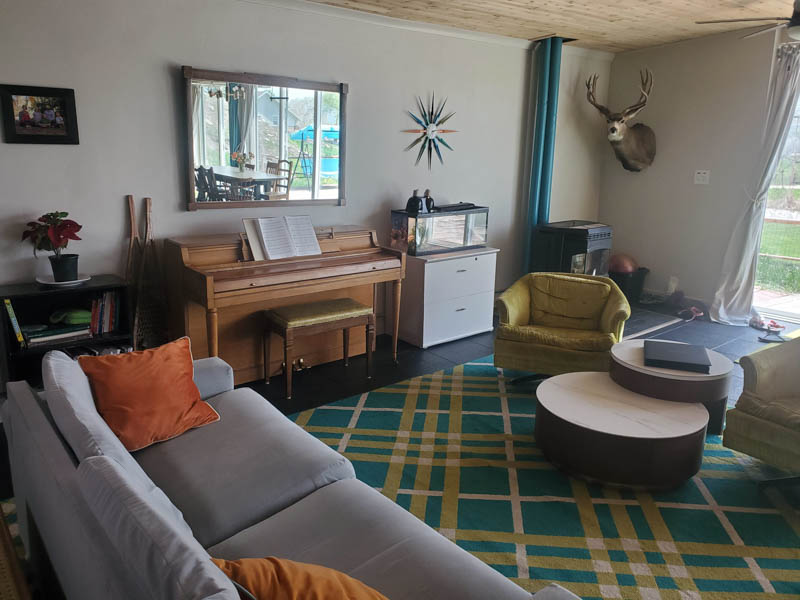
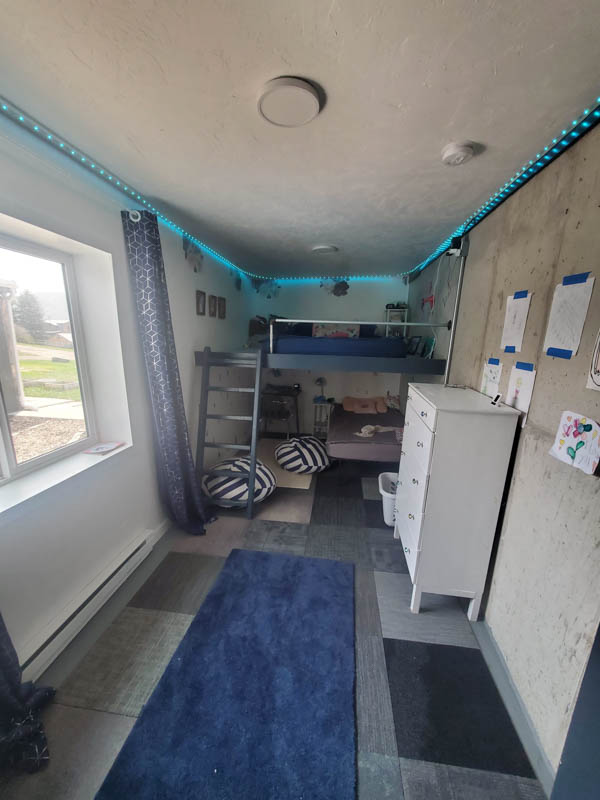
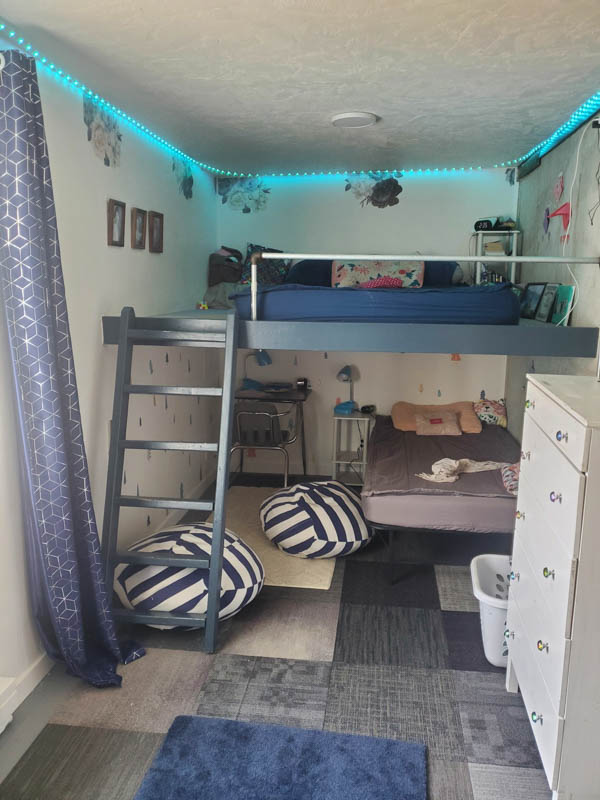
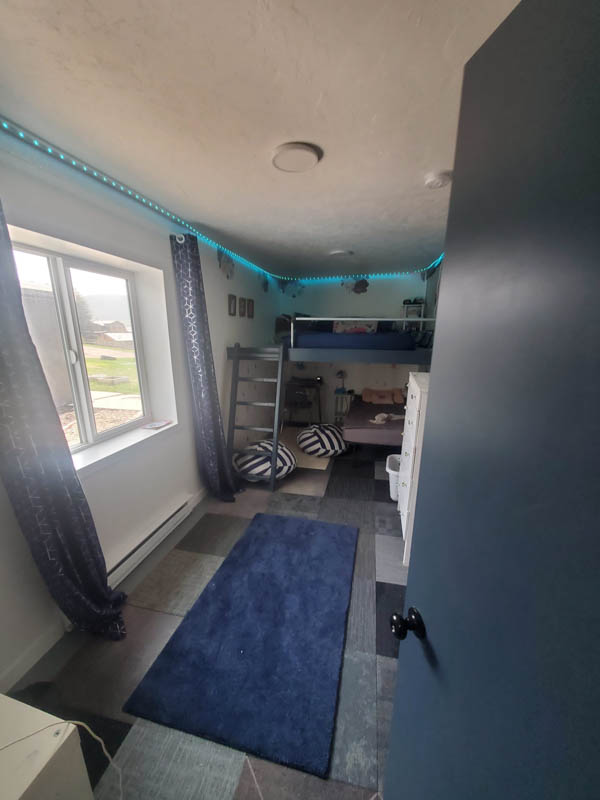
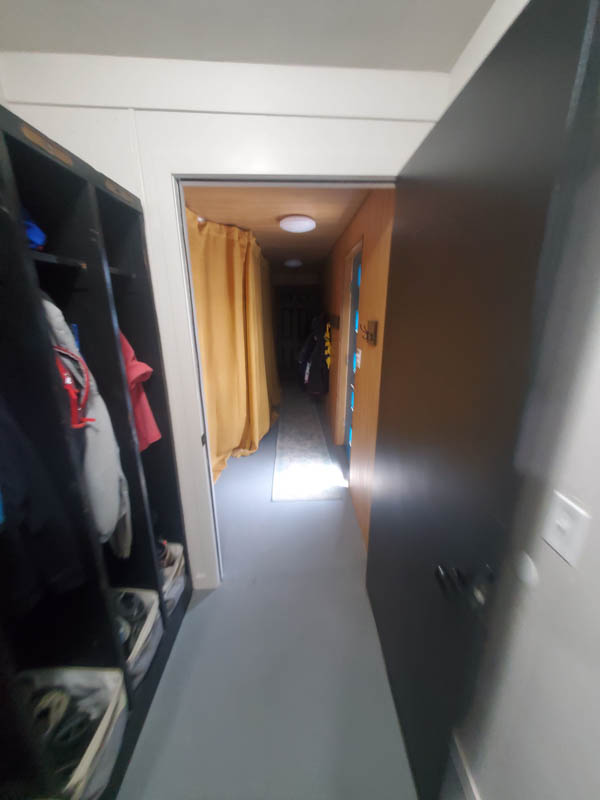
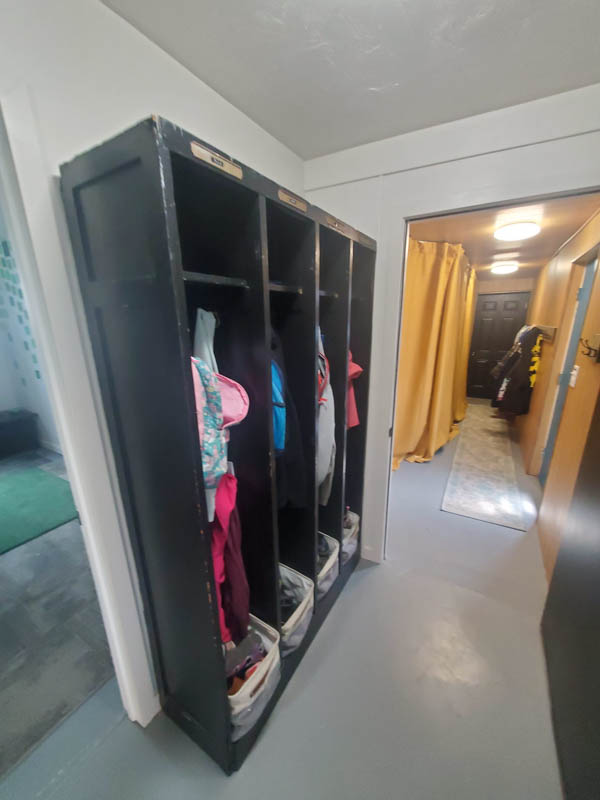
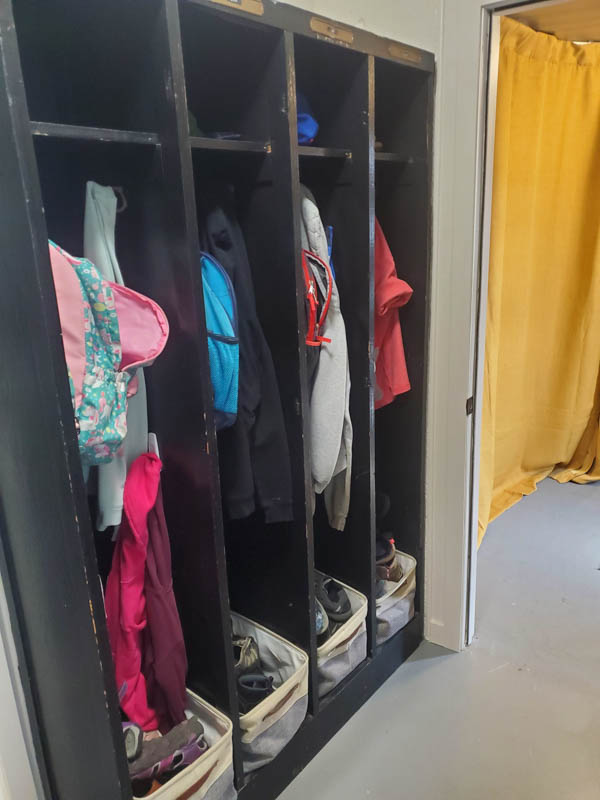
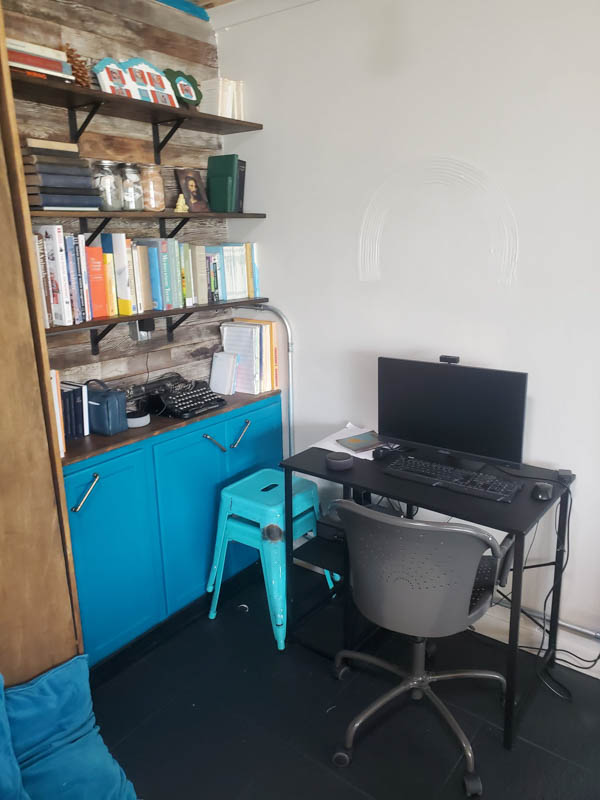
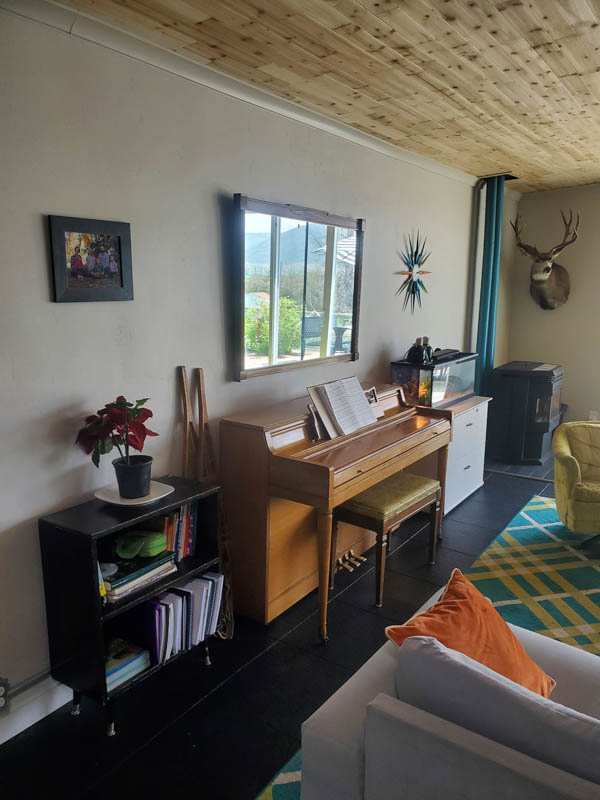
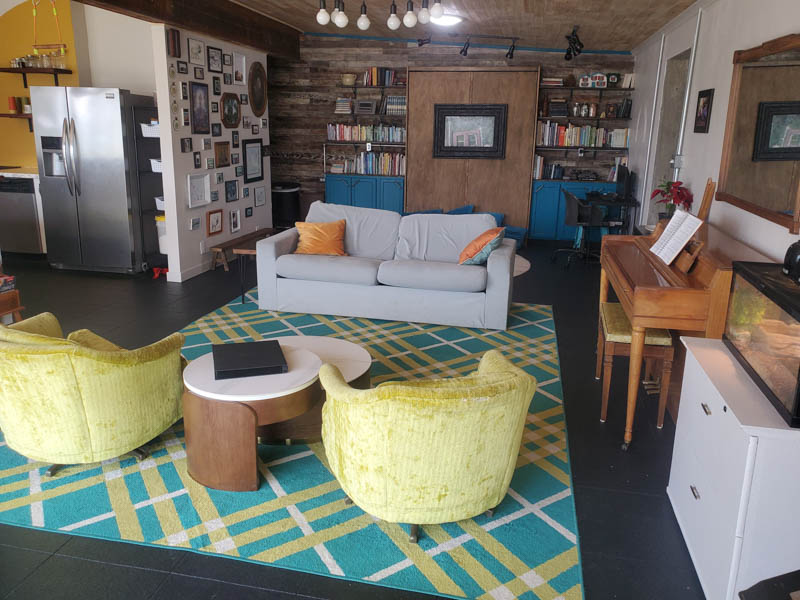
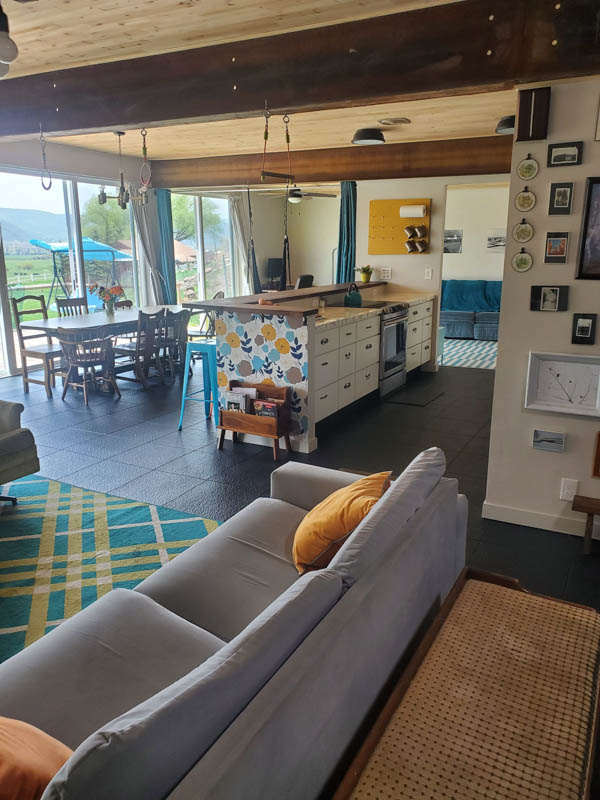
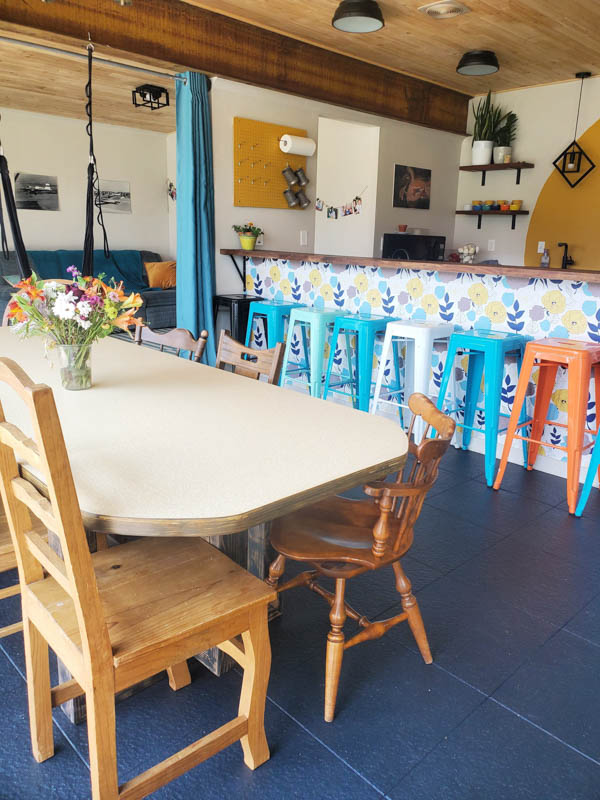
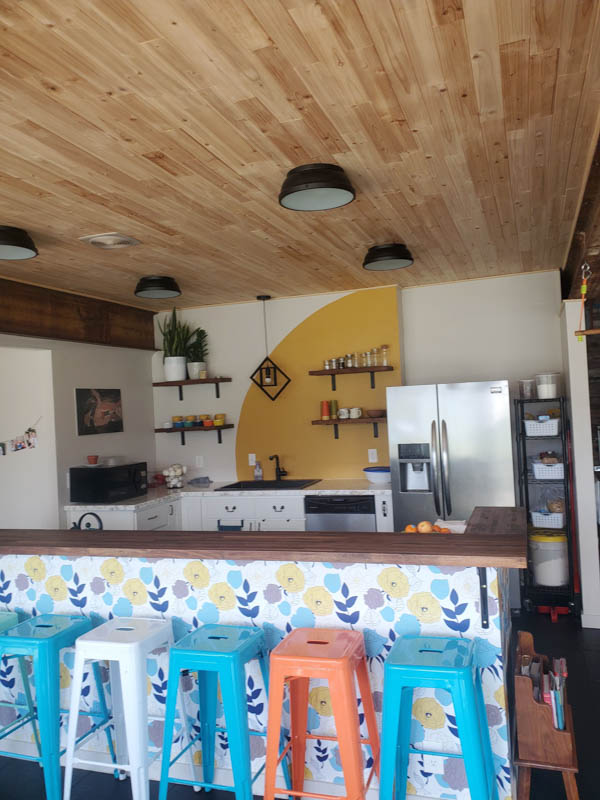
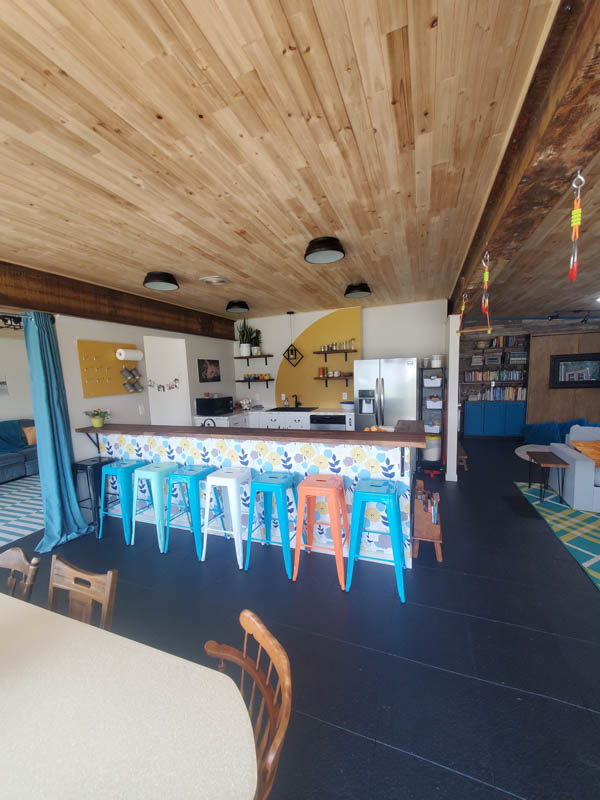
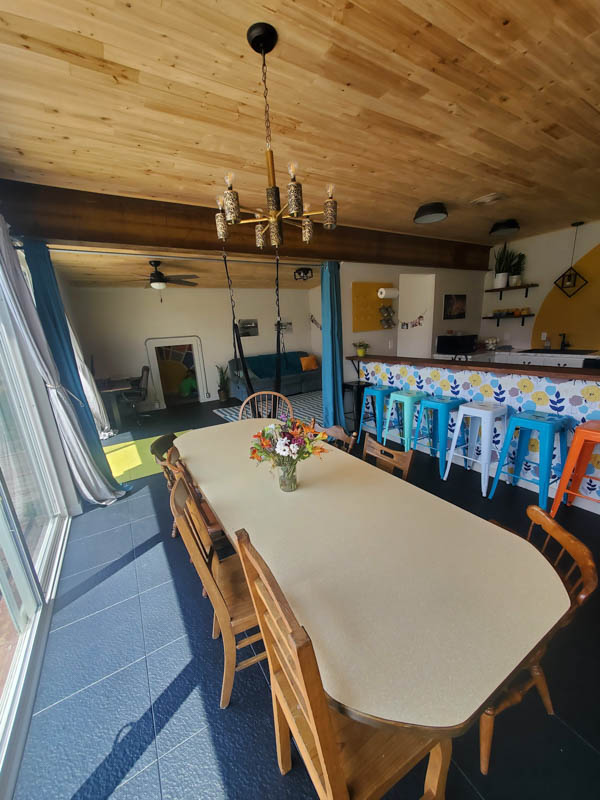
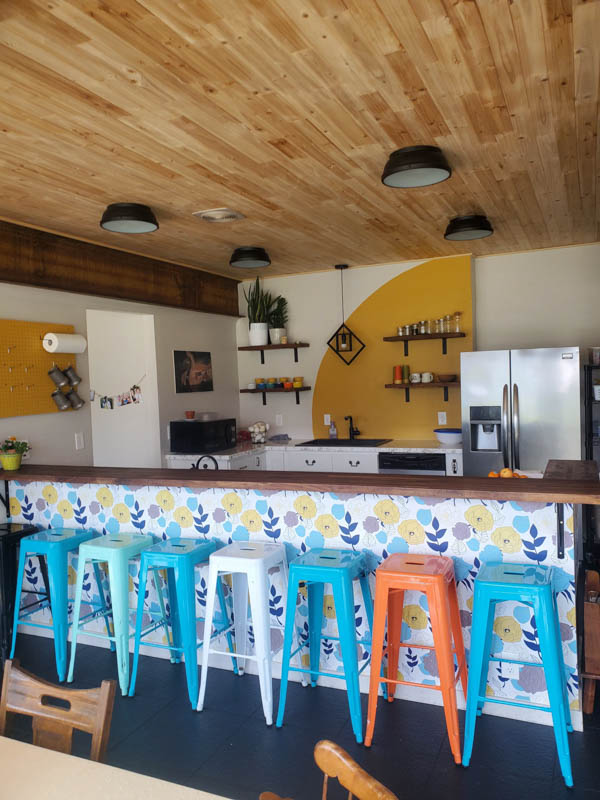
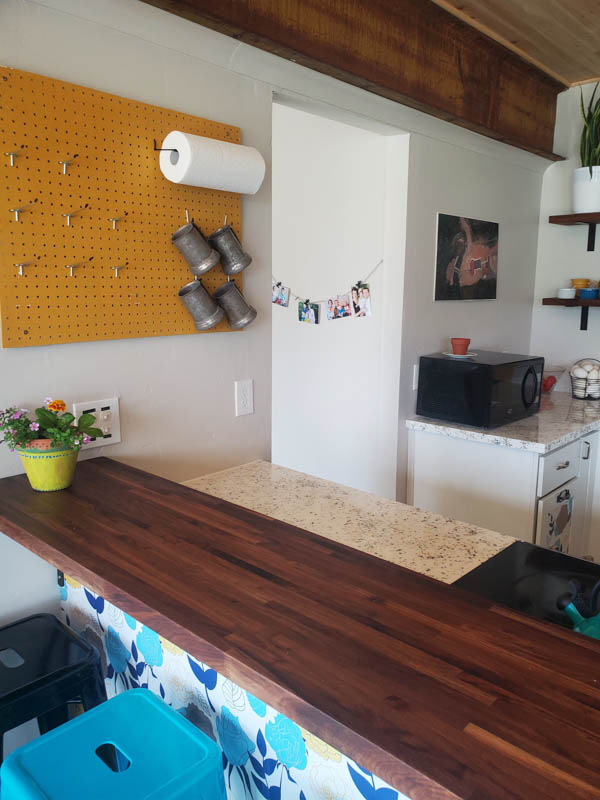
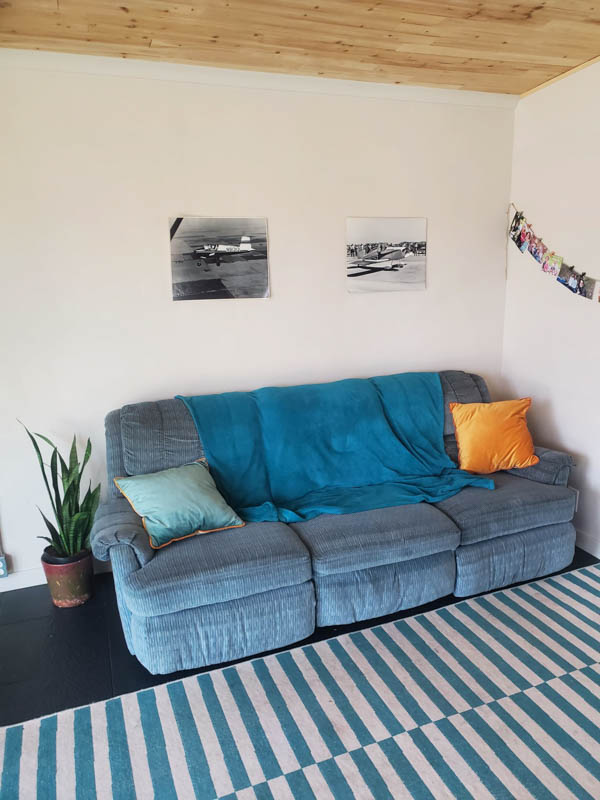
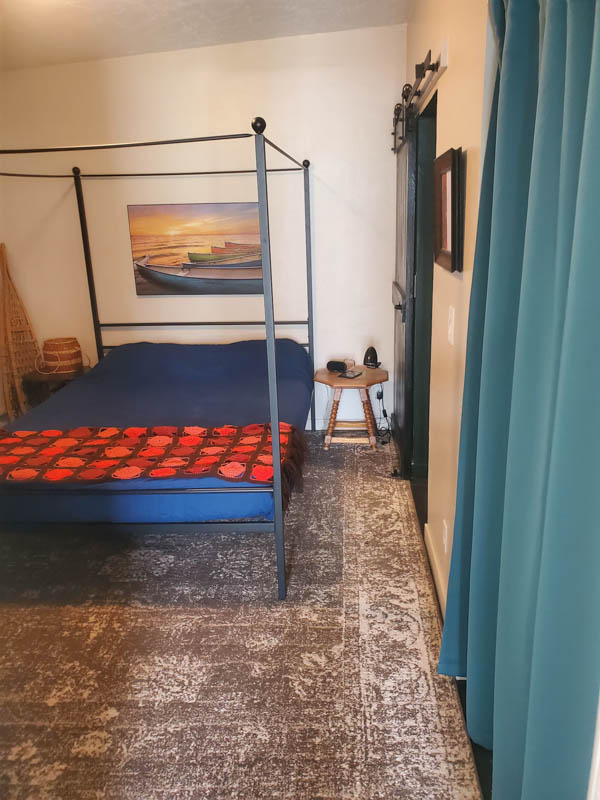
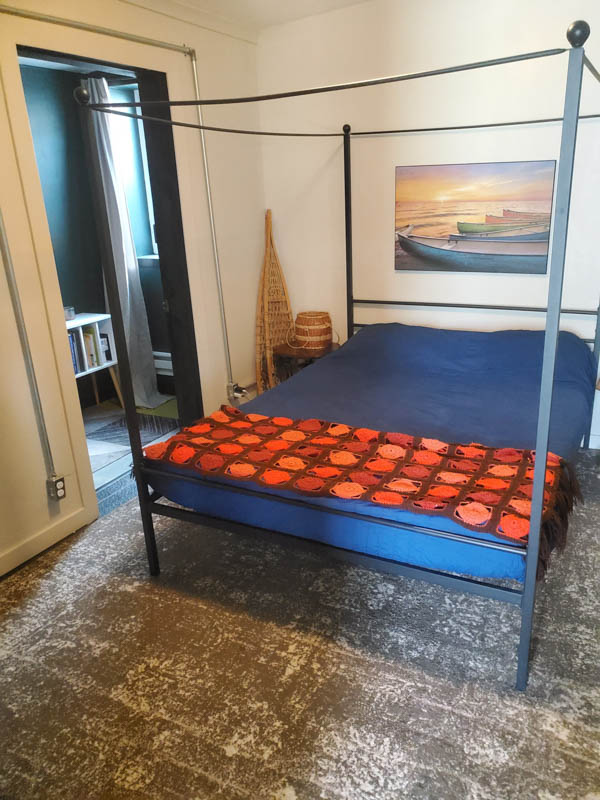
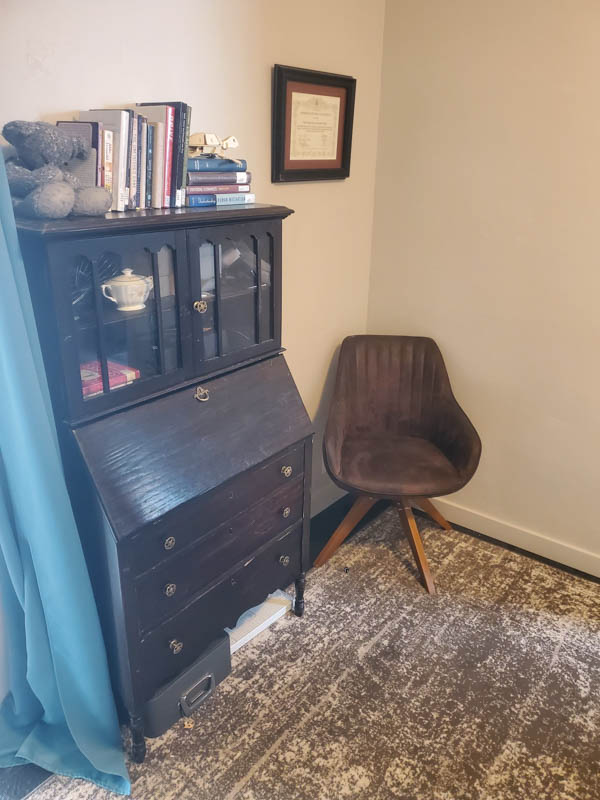
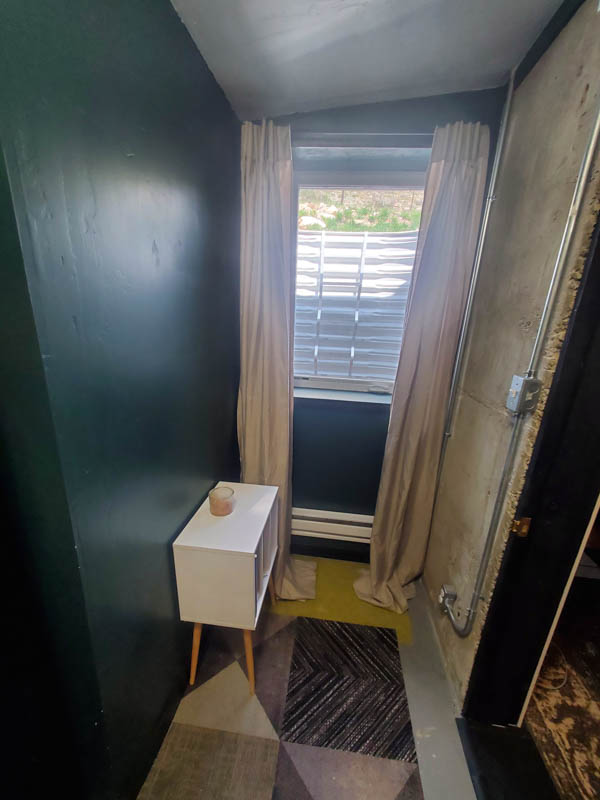
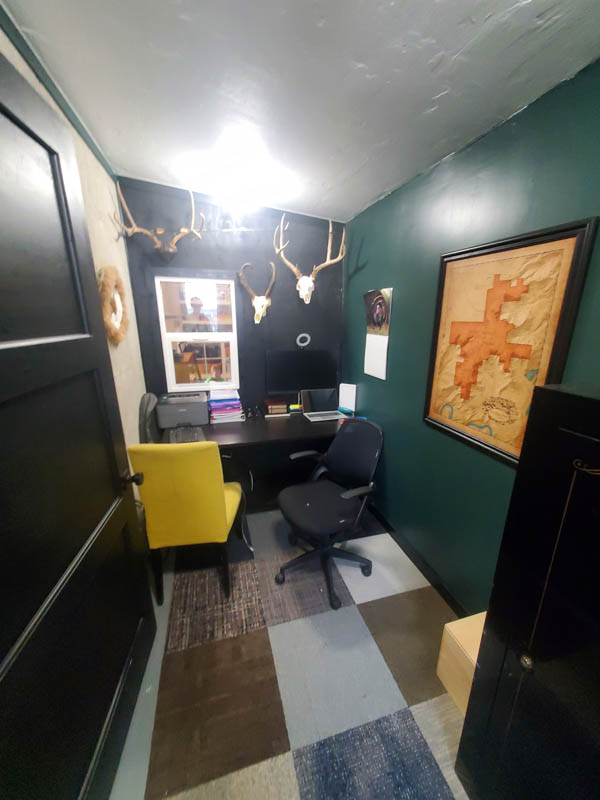
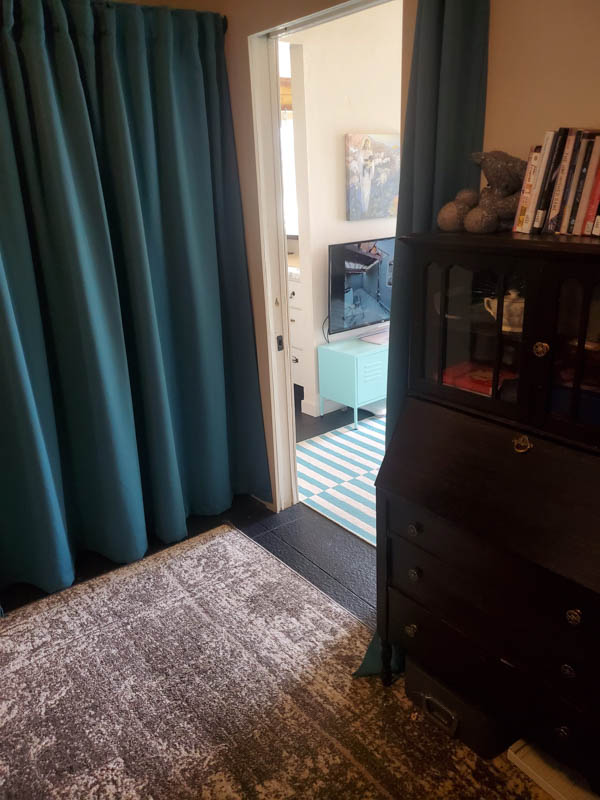
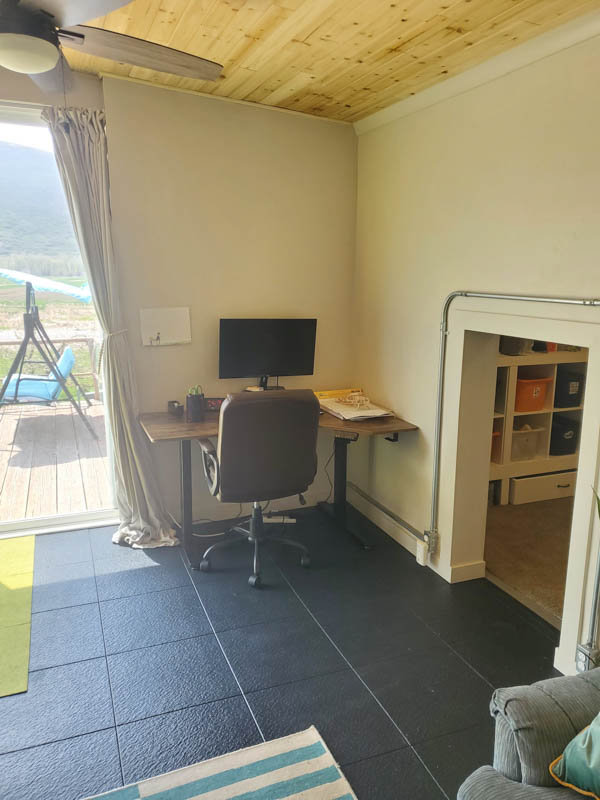
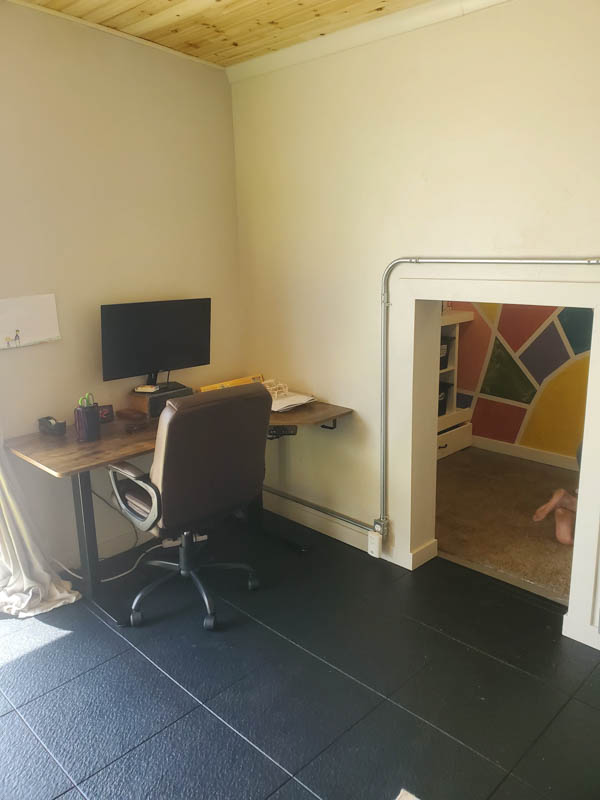
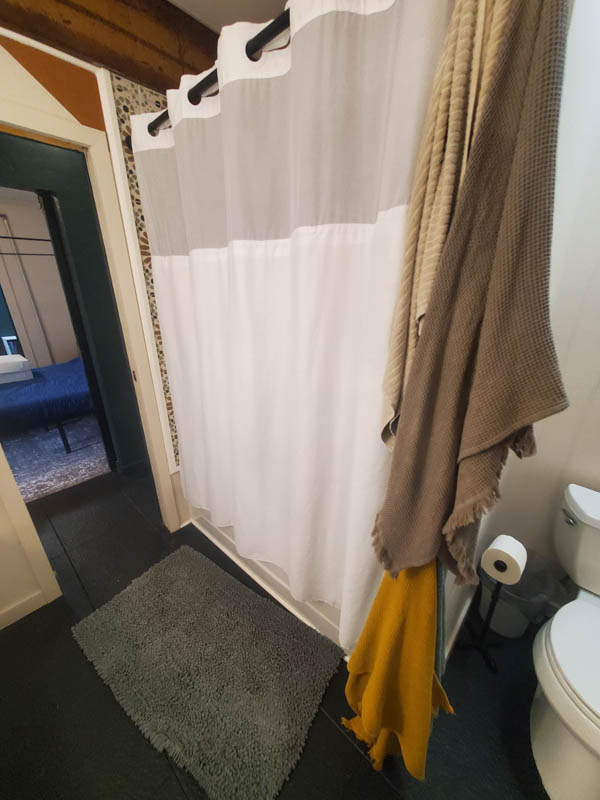
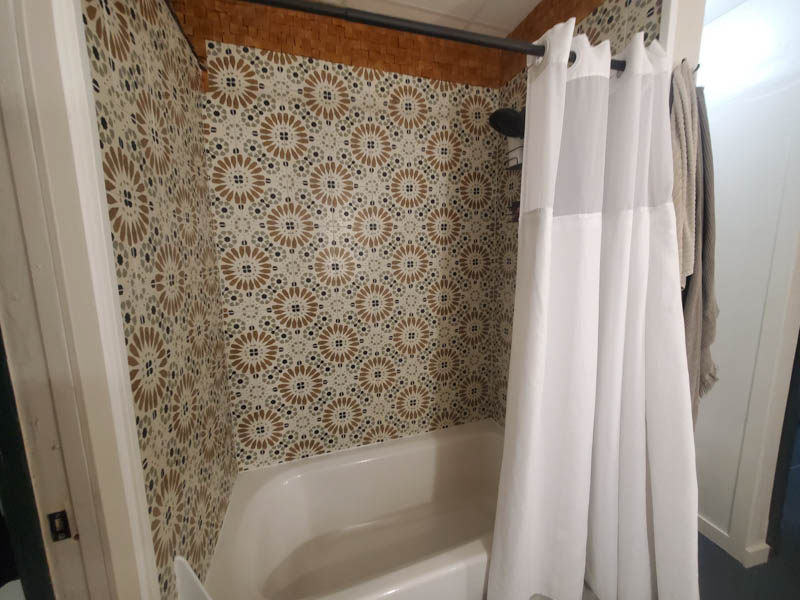
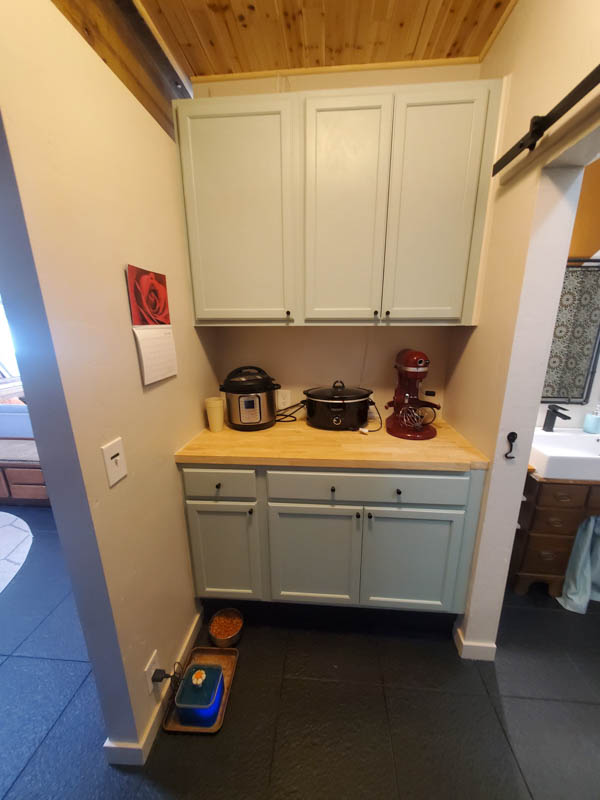
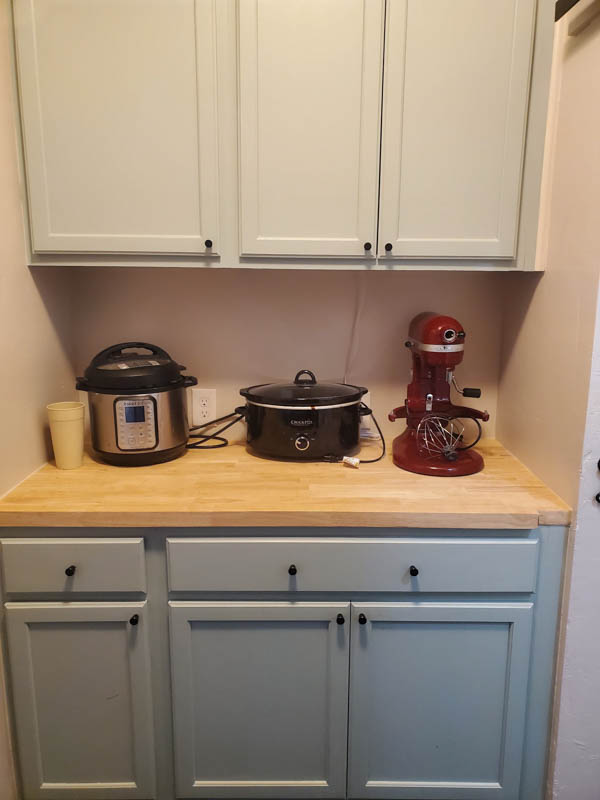
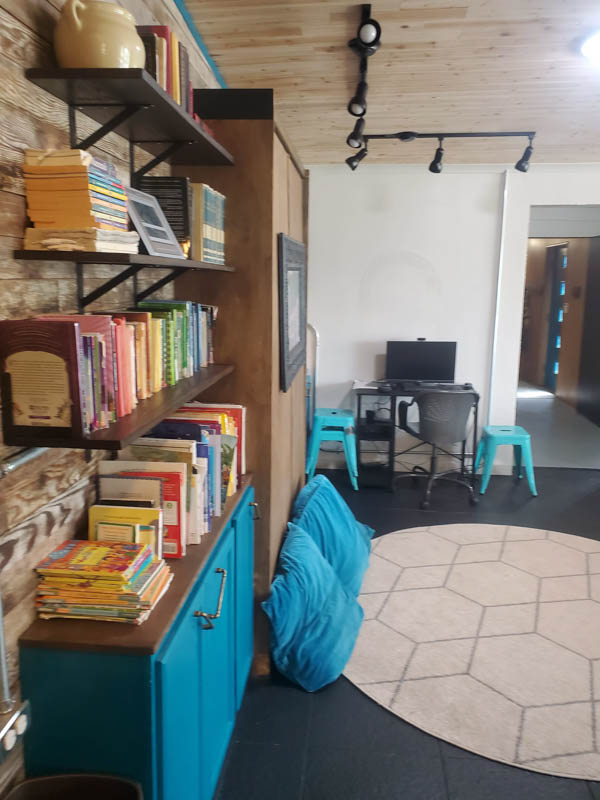
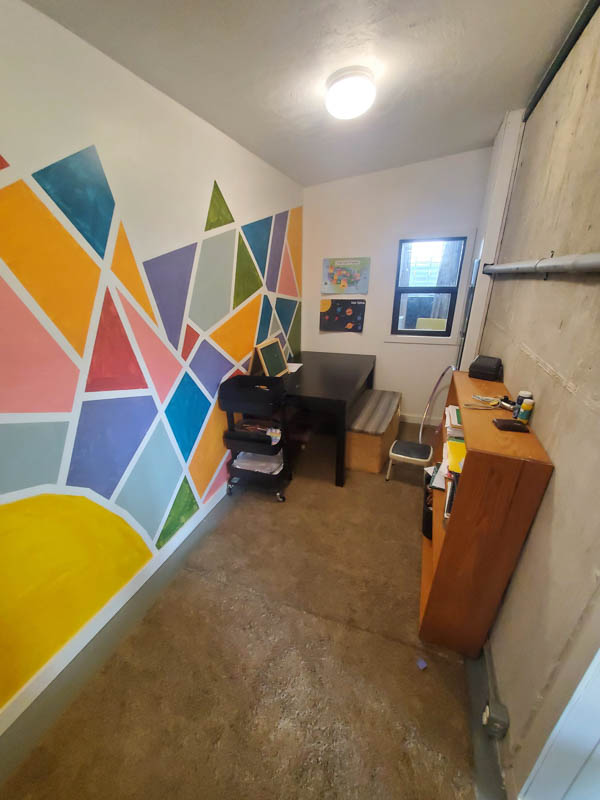
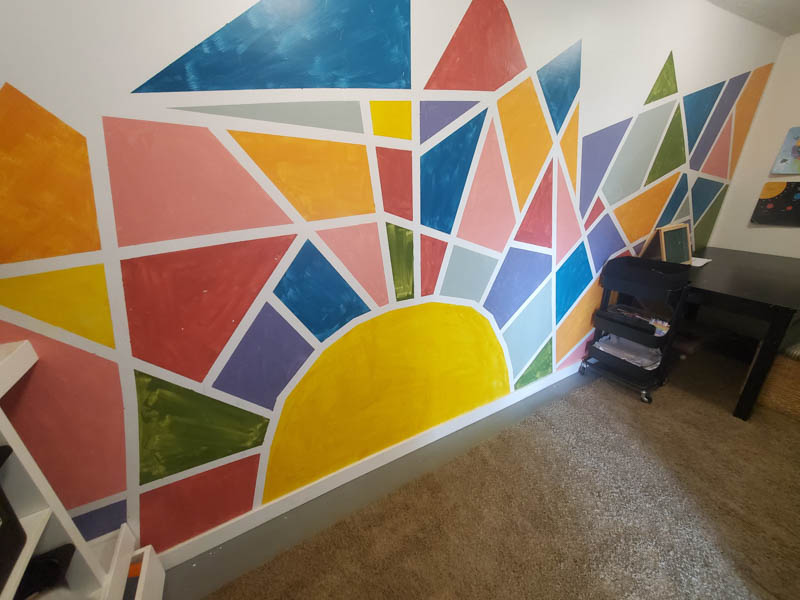
At the end of 2019, we started an extensive renovation of the house that my Grandpa and Grandma had built about 30 years ago. My Grandma had draw out floor plans and designed the layout of the house. My Grandpa built all of it, using the floor of a church for a ceiling and lots of concrete. It was built into a hillside, with a spring-fed pond in the front.
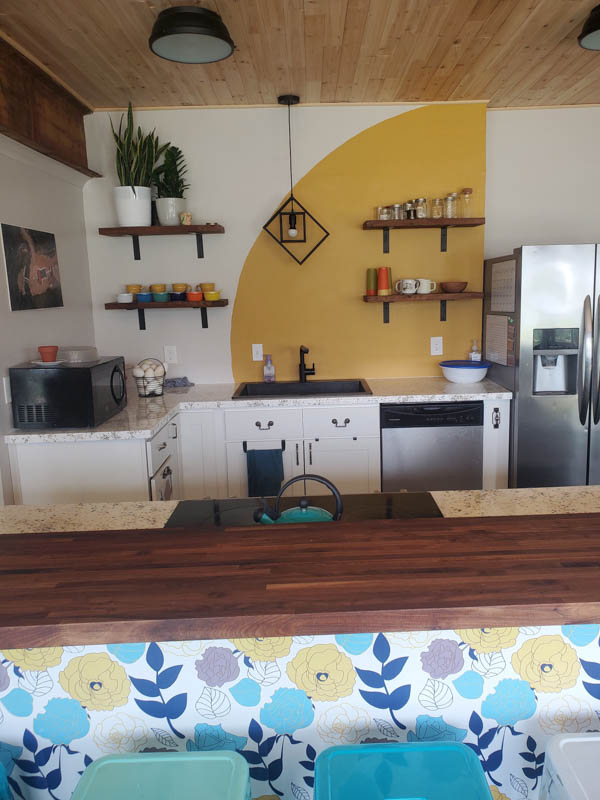
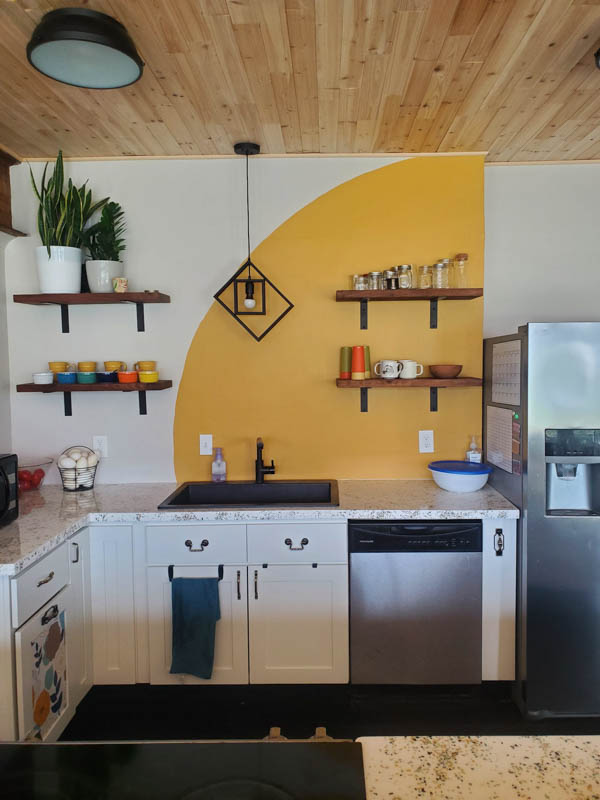
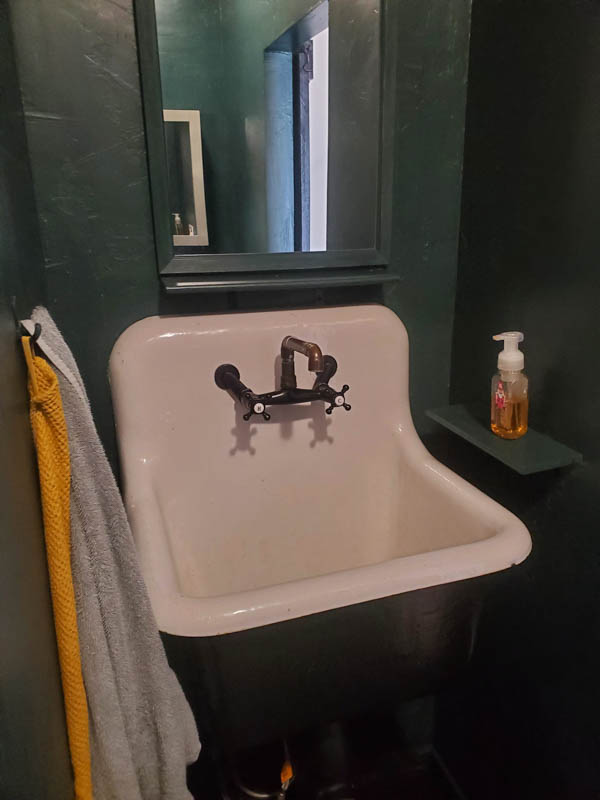
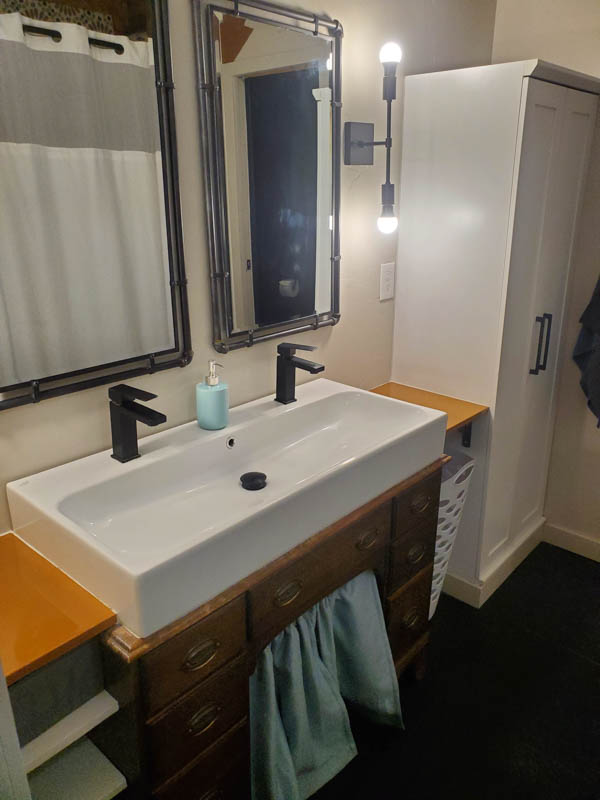
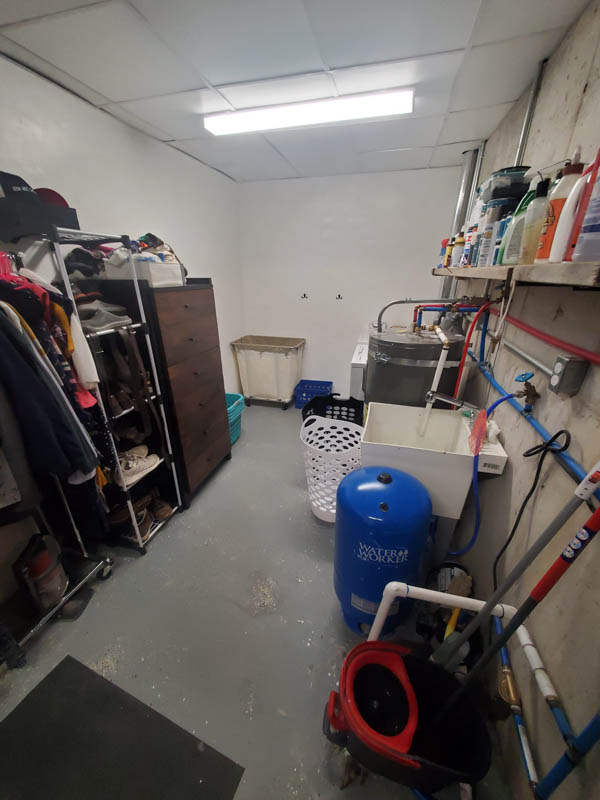
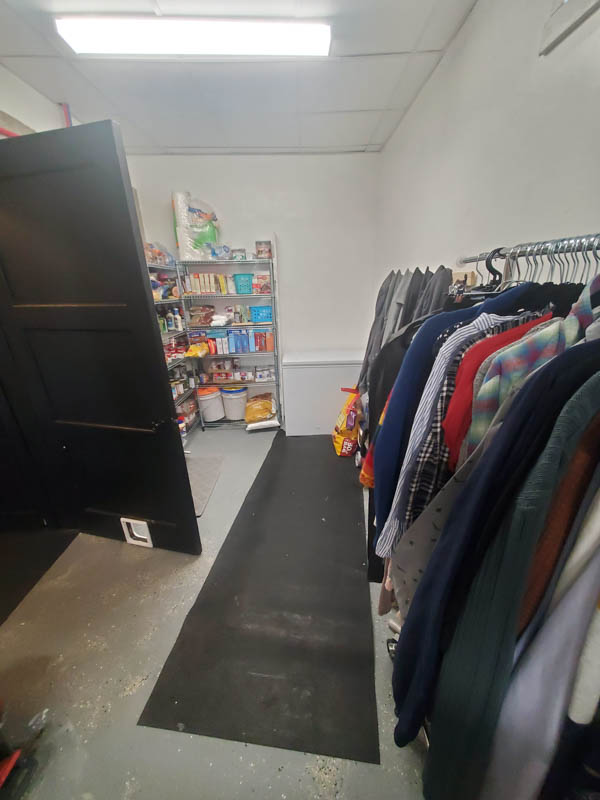
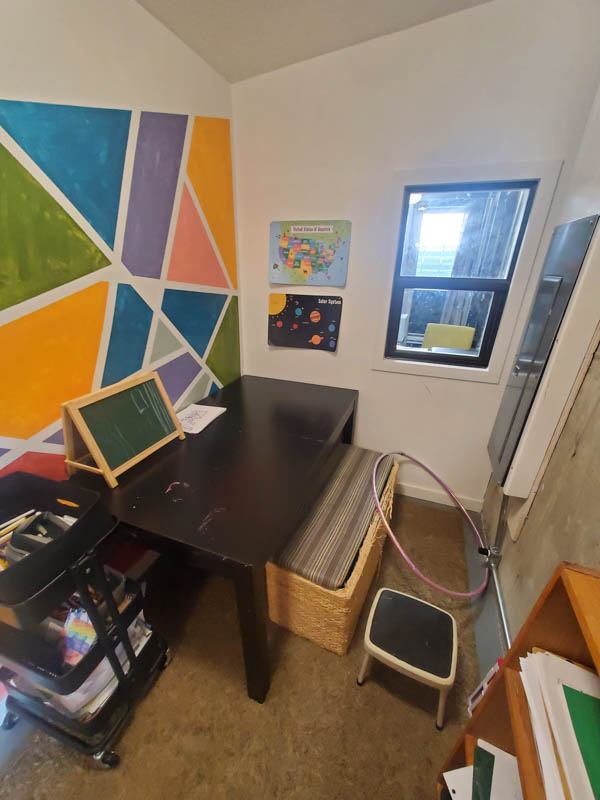
There was a lot of work to be done: we replaced the entire roof structure except for the rafters. We built in a new back wall. We added windows and doors. We redid the electrical and plumbing. We finished spaces and insulated and put up drywall. We textured the walls and painted. And we did almost all of it ourselves.
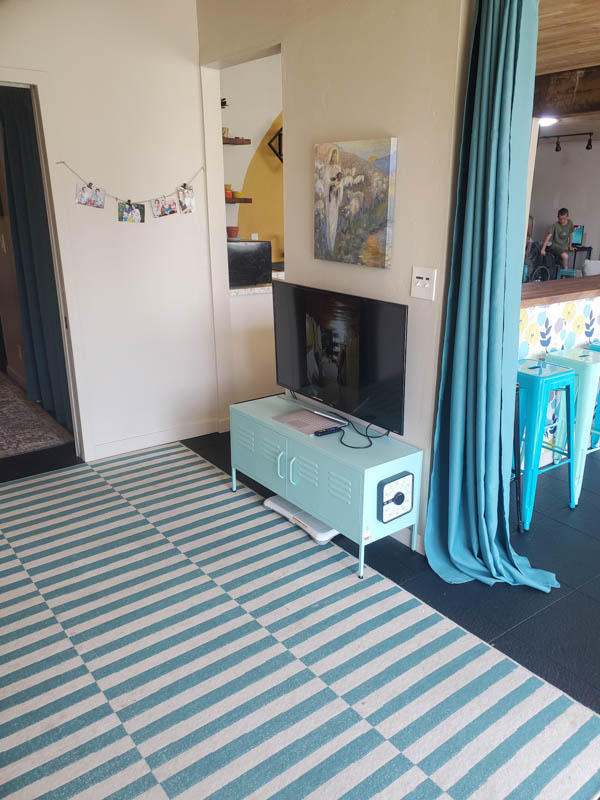
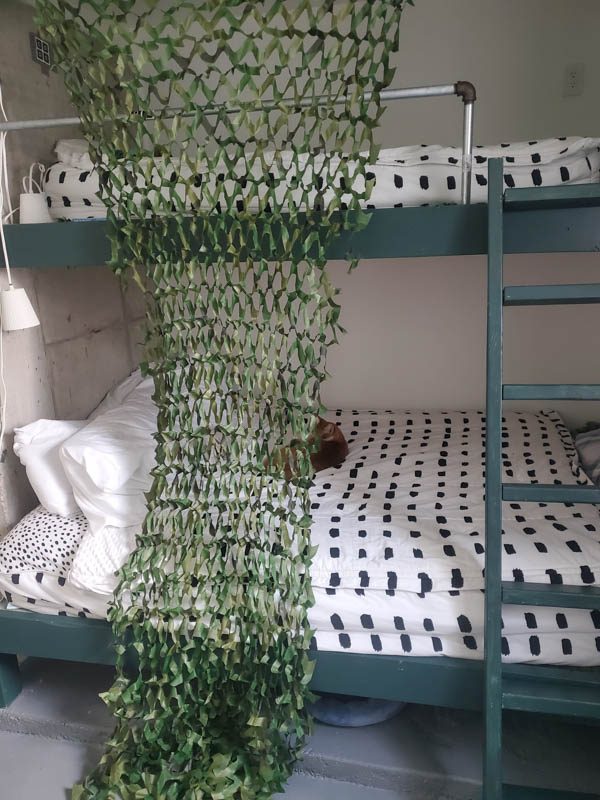
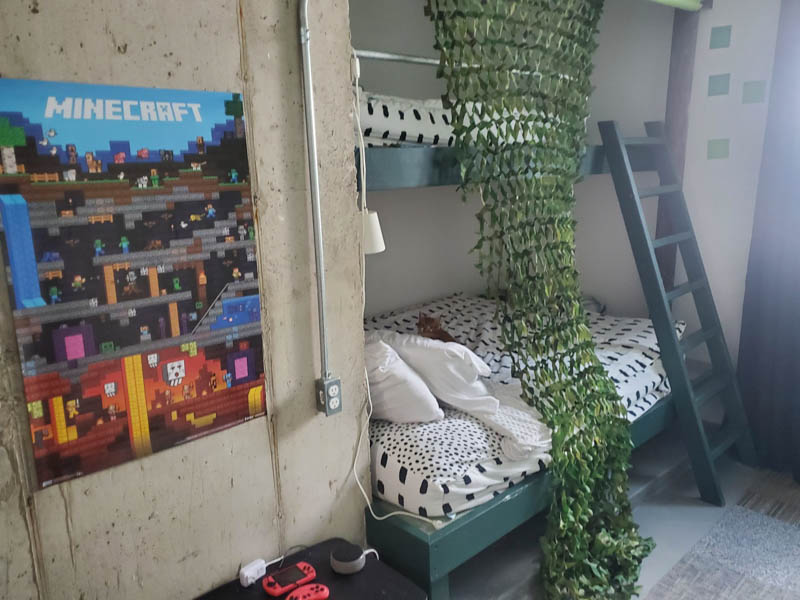
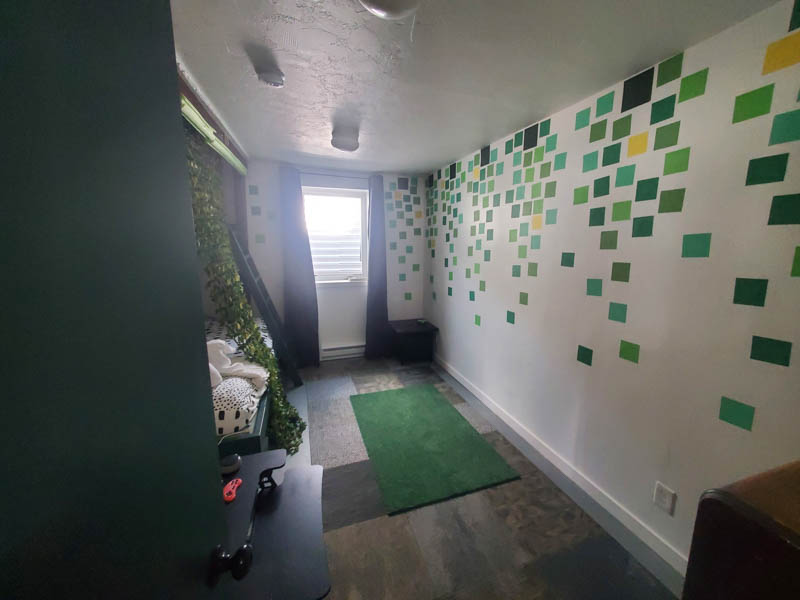
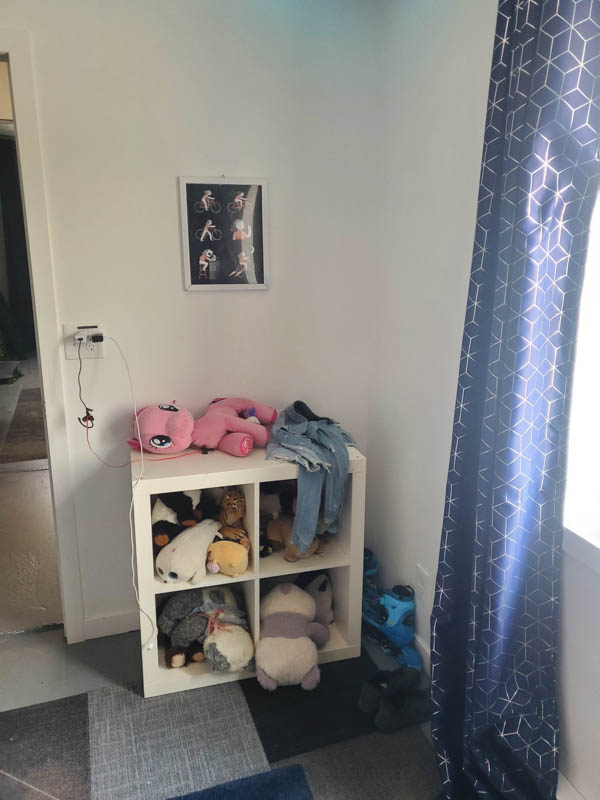
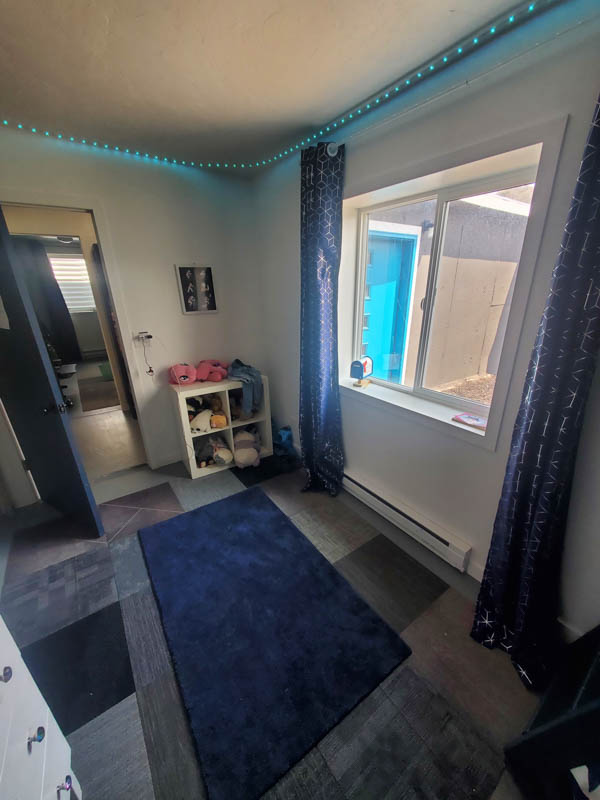
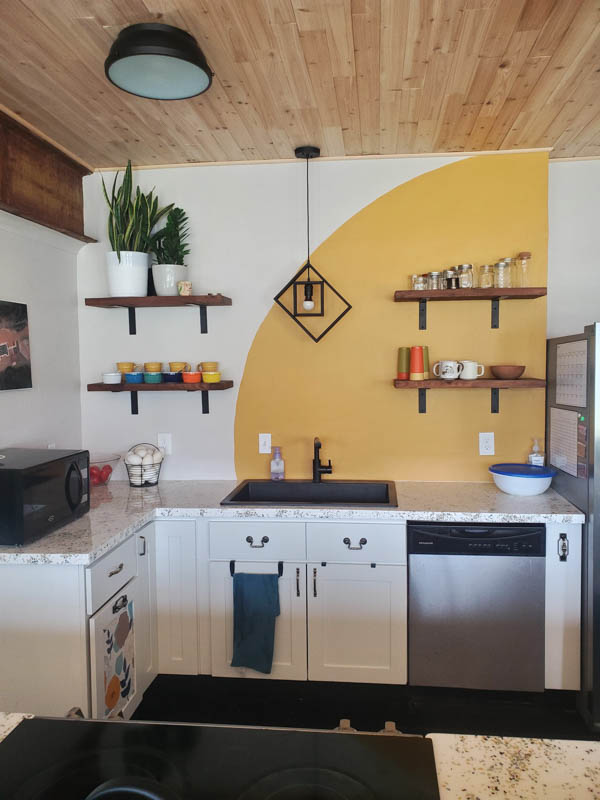
So over three years later, we passed our final inspection, finished decorating, and we now enjoy our home. It’s not perfect. We still have things to do (the deck is next). But here it is:





















-
Working Hard
I’ve always wanted to be the sort of person that buckles down, focuses completely, and gets lot of work done in a short amount of time. And while that does happen on occasion, I’m often distracted and off-track.
This semester has been particularly intense. I’ve enjoyed the work (for the most part). But sometimes my life gets a little out of balance, and I don’t always deal with stress well.
For some of my life, I would get really discouraged if the beginning of my day didn’t go quite right. I would feel really guilty, and that guilt would overwhelm me and I no longer had motivation to do anything. One mistake would expand into a whole day of just feeling bad and not doing much.
I don’t do that anymore. I realized that feeling guilty over certain things was not worth it. If I notice that I got distracted, I don’t need to feel guilty. I just need to refocus. If a day is going differently as planned, I don’t need to get discouraged; I just need to embrace whatever the day is.
Sometimes trying to create better habits can do more harm than good when you approach habits in the wrong way. Habits need exceptions. If you try to do something every day that you’ve never done before, you’re going to miss days. And then you might give up. But instead, it’s better to keep trying and release the guilt that you’ll never always be on track. Your habits need to work for you; you don’t need to be a slave to your habits.
I try to recognize the good that I am doing instead of just thinking of everything that isn’t getting done. I want to improve very much, but my main motivation for improvement does not need to be a sense of shame that I’m failing.
Life is unexpected. I need to flexibly adapt to it. And that means that some days, I don’t have a ton of motivation. Some days I end up in my pajamas longer than I expect. Some days the to-do list doesn’t get done. Some days are hard.
I have papers to read; papers to write; friends to check in with; meals to make. I need to take care of myself, take care of my family, and take care of my schoolwork. But sometimes I’m going to get distracted–and sometimes I need those distractions.
And then I brush myself off, and start working again.

-
Subscribe
Subscribed
Already have a WordPress.com account? Log in now.
 Heather Hoyt