-
Three Random Thoughts Lately
We should all have our own coaches and cheerleaders to help us get through life. People who encourage us, who help keep us accountable, and who help us press forward when it gets tough. Sometimes I don’t share my goals, which is not helpful for me or for others. It’s better to share so we can all help each other.
Sometimes I hate cleaning up just as much as my children do. I have to make it fun for myself too. I see how much I can clean in five minutes. I time myself to see how long it takes to deep clean my kitchen. I record time lapses of myself cleaning, or text my husband before and after pictures. And I always either watch a movie or listen to an audiobook while folding laundry.
I have generally been taught not to gossip, but I would rather live in a world where people gossiped about each other than a world where no one talked about others at all. I hope people do talk about me behind my back, because then they at least care in some way about me. Sometimes gossip can lead to helping other people. It can lead to a sense of community. Gossip helps us keep in contact and informed about the people around us.
Gossip can be mean, founded on lies and meat to make other people hurt. But talking about other people is an important part of life and living and being neighbors and friends.
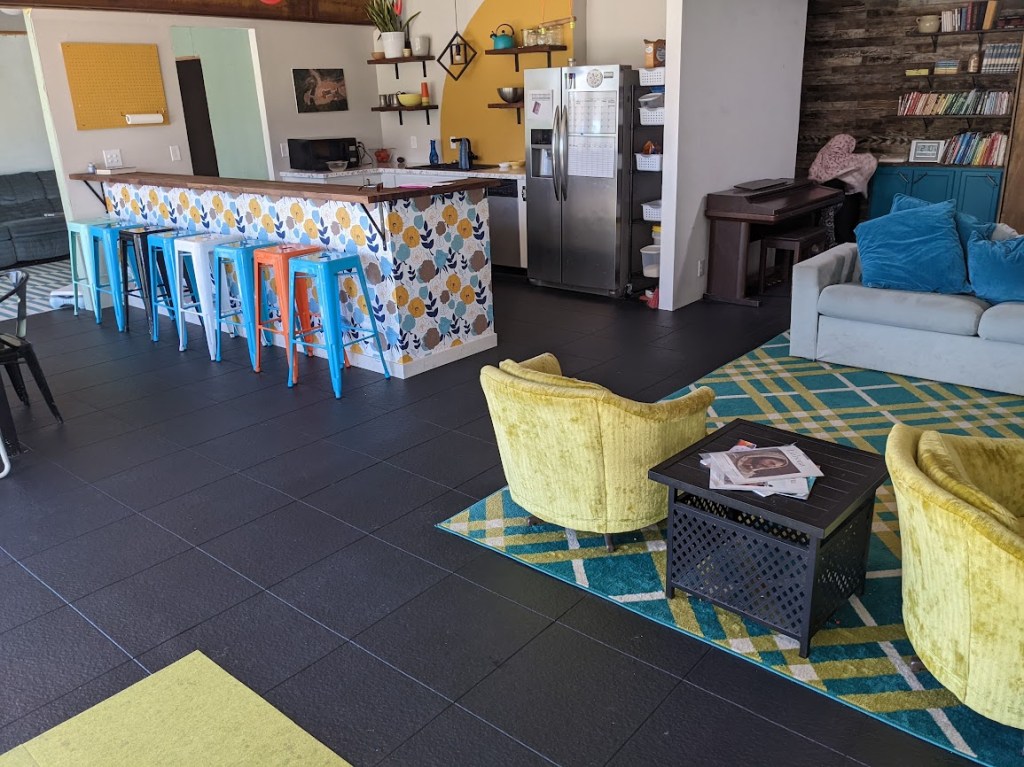
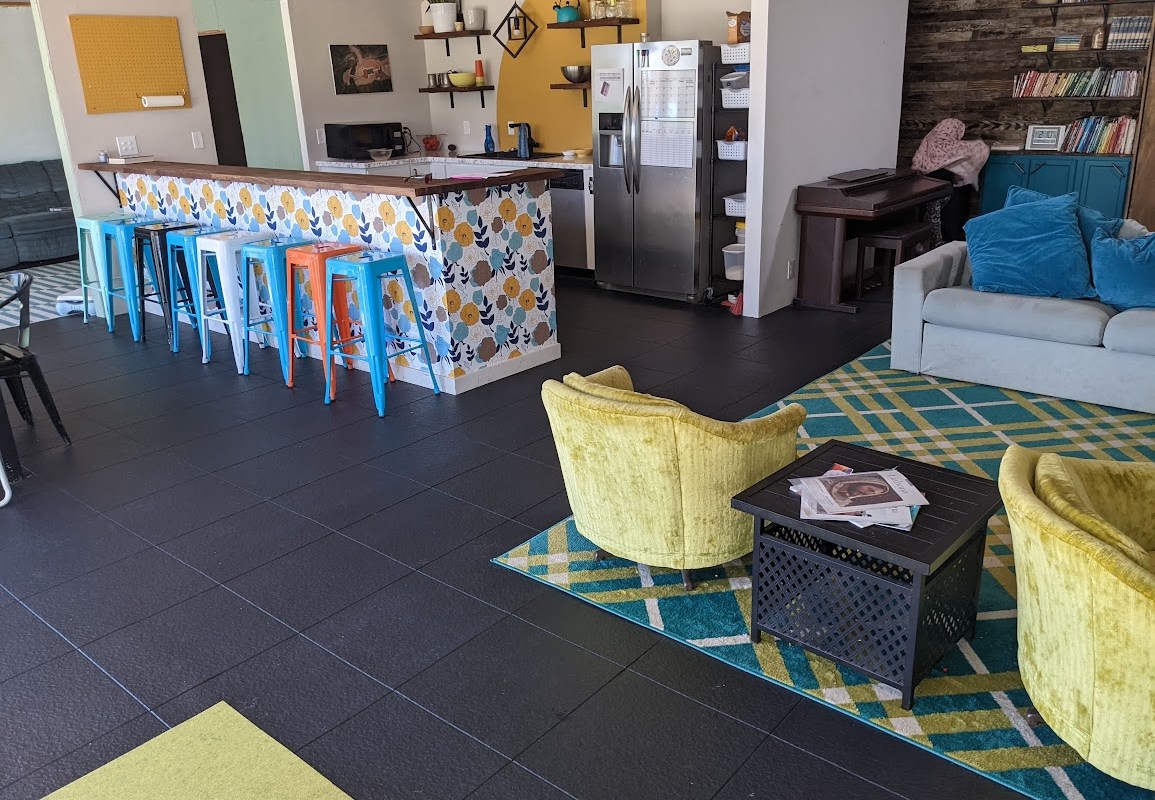
This is a picture I took to prove that I had cleaned my floors. My youngest daughter spilled both flour and sugar on the floor shortly after the picture was taken. My oldest two kids did their best to clean it up. -
Playing the Long Game, Slowing Down, and Becoming Better
Recently, I had a choice to make. I was working on a book and I could try to get that published and be a writer full-time. Or I could go to graduate school and keep learning. And I chose to go to graduate school.
I love writing and I want to write for my career (my career goals are to write books and teach college classes). I wanted to start writing multiple books and articles and blog posts and figure out how to get a social media following.
I went to a nonfiction writing workshop this spring, and at the end of my workshop, I talked with my teacher and told her I was thinking about graduate school. She suggested I was young enough that I could put my book away and just focus on graduate school and that what I would learn would enable me to be a better writer for the future.
That’s hard sometimes. It’s hard to play the long game, to work on improving yourself and your skills instead of just going for things.
And sometimes that is not the right decision. I know some people who may have spent too much time developing their talents and not enough time sharing them. Some people hesitate when they need to go for it.
So how do we know when we’re ready? How do we know when it’s time to slow down, and when it’s time to speed it up?
First, I think we always should be working on self-improvement and becoming better. We should be continually learning and improving ourselves, even if we have obtained some success. We should maintain humility that we can become better.
Second, we should look at our long -term goals and see if slowing down would work better for those long-term goals. I could have pursued writing full-time, but I have always wanted to teach college classes, and so going to graduate school was the opportunity I really needed.
Third, we should look if our actions are governed by fear of rejection and failure. If you don’t think you’re good enough, is that simply because you are afraid that you might fail? Would there be any harm in trying?
Fourth, we should always be working on good long-term goals that will enable us to improve ourselves and help others.
You might not have a clear direction of exactly where your life is going, and that’s okay. But how can you become better? How can you serve others? In what areas of your life do you need to slow down and in what areas do you need to go for it? Maybe your answer is that you need to do a little bit of both–step by step, improving yourself, sharing with others, and working towards being the best you can be.
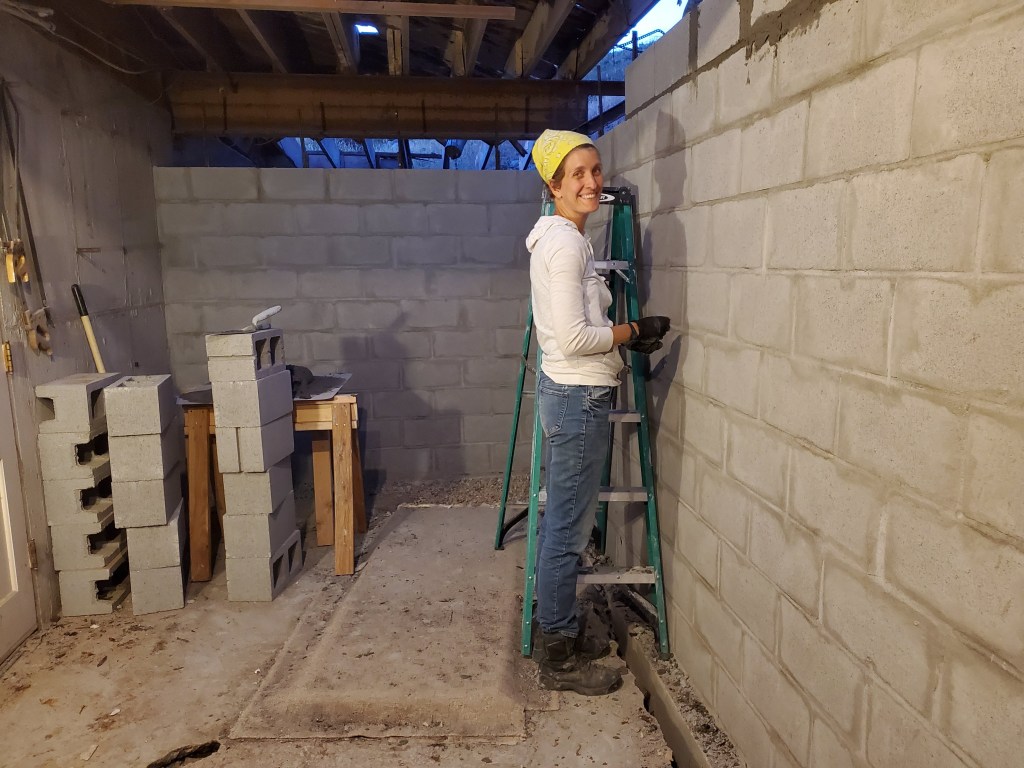
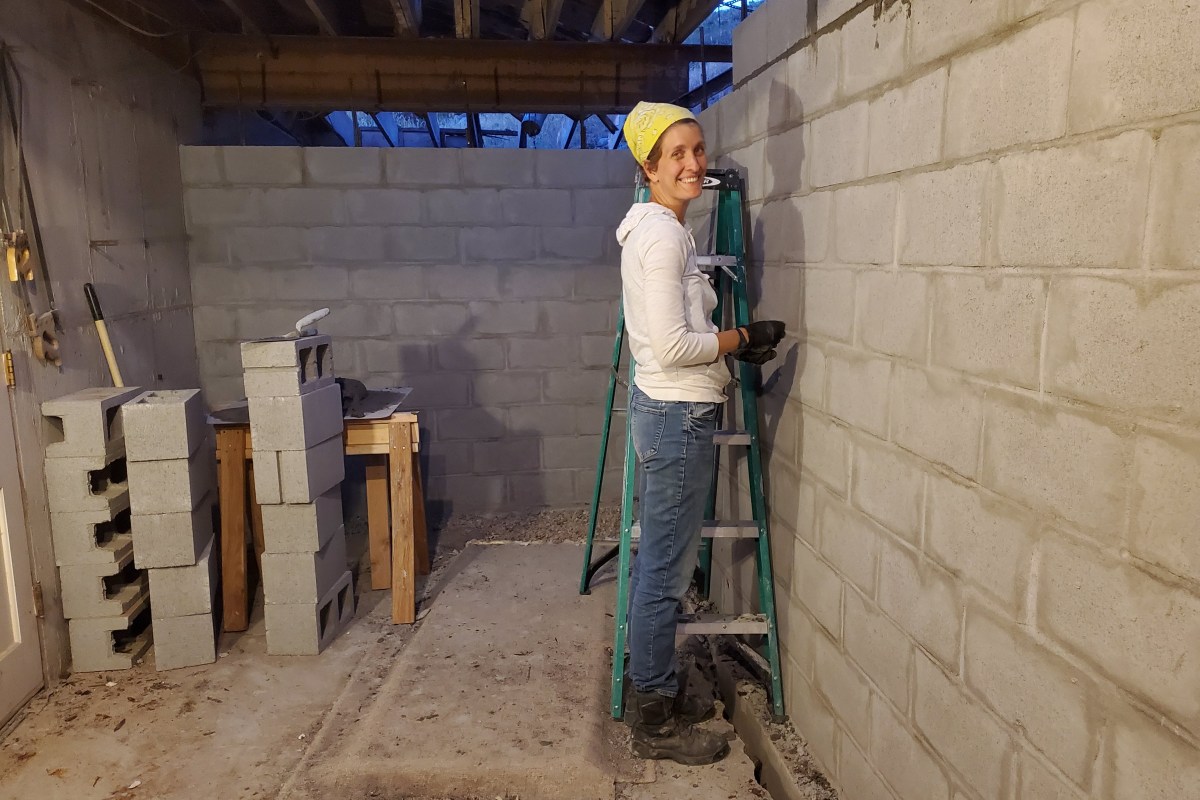
Two years ago, we built this wall brick by brick. It was a long and slow process, and we weren’t very good at it, but we tried our best and it worked out. -
The Heaviness of Unfairness and Finding Peace in Commotion
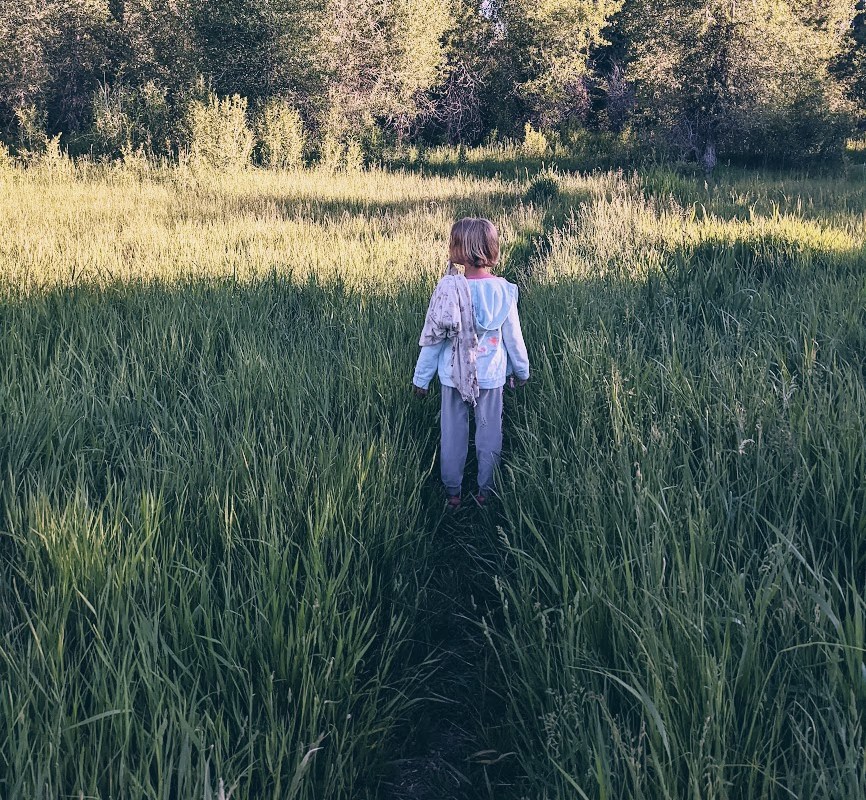
There’s been a lot of commotion in the world today. I don’t want to look at the news that are filled with violence and confusion. I don’t want to hear stories about house prices and gas prices and inflation that make it hard for people to afford basic necessities of life. I don’t want to hear all the frustrating developments in politics.
So many people are struggling. It wears at my heart: empathy drives me to mourn, and in that mourning, I want to act.
But what can I do? What can I do that has an impact?
I find myself realizing that I am powerless in so many ways. I can list out the problems in the world and I can list solutions, but there seems to be a chasm between the two–a chasm of power and money and inaction. Solutions are too complicated when too many people have their opinions and they never agree.
I want to do something, but I don’t know what, so I do nothing. Maybe I’m making excuses. Maybe there is something I could do to take this world a better place, but I don’t know what it is.
If I speak up, my voice just feels lost in the crowd and I am often ignored. Other people live their life, make their own decisions, and I must sit back and simply watch.
I feel too privileged, unfairly so. I know people have worked harder and have less. I have to sit in my nice house knowing that so many people can’t afford a home. I don’t deserve this.
And what do I do when all of this wears at me? How can I continue to try to live my dreams when I know of so much struggle?
I realize that there also needs to be happiness in the world. There needs to be people living good lives and serving in small walls and being kind to others. There needs to be people raising families. There needs to be people creating. We are working towards a better world, and so there needs to be joy somewhere.
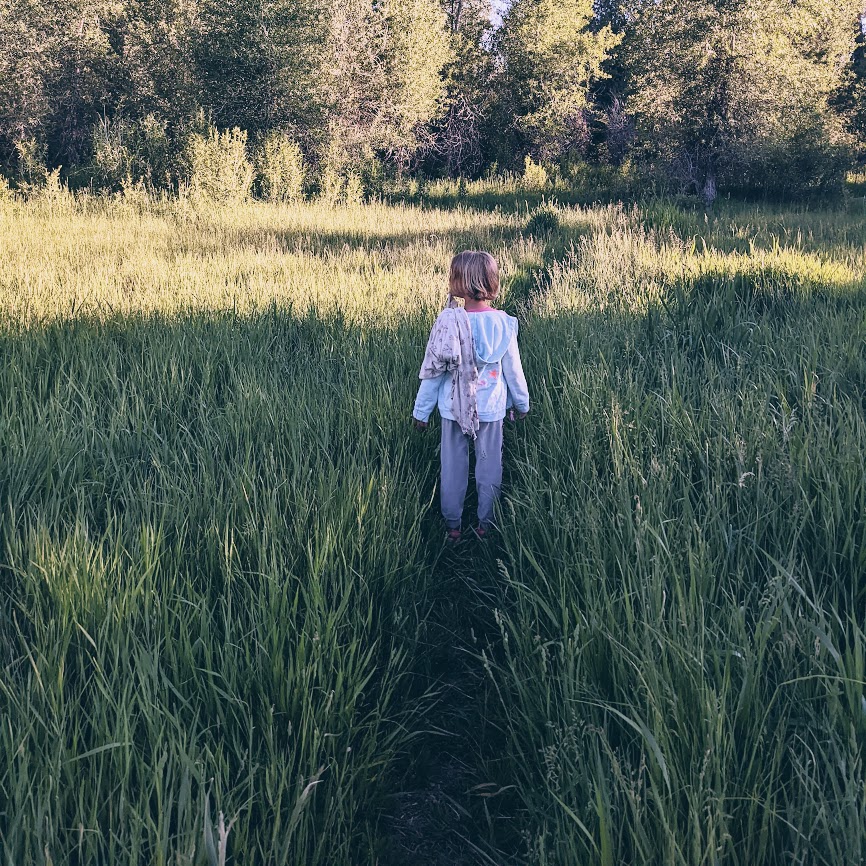
While I am undeserving, I can also be grateful. And there is work for me to do–maybe I won’t change the world, but the small things I do do can increase happiness, step by step. I can visit friends. Listen to someone who needs to talk. I can mourn and pray. And I can write and speak, trying to make sense of a nonsensical world and finding some good that can bring a measure of peace.
-
Personal Experience vs. Reasoning

Pretend that you’re a young college student, and you go into a class about the universe. And you learn about how massive the universe is and how much space there is. You learn that you can never travel faster than the speed of life. Your professor very convincingly argues that aliens can’t exist–and even if they do exist, they would be too far away to ever hear from.
Now let’s say at home, you’ve taken up a radio hobby, but one day, you start getting weird interference and you end up intercepting very strange noises you can’t interpret. You start transmitting back on this frequency basic information–like how the weather is and what day it is and all of that. For quite a few years, you transmit back and forth on this frequency, and you start to understand the person on the other end, who gradually learns English and tells you that they are an alien.
Well, of course, aliens don’t exist, so this must be a prank. But the alien gives you instructions on how to conduct a few simply experiments that allows you to see amazing things that you can’t explain and goes beyond current scientific reasoning.
Reasonably, aliens can’t exist. And yet, your experience is starting to tell you something totally different. You’re talking to an alien. The alien is talking back to you. You’ve see amazing things that seem at the very least highly improbable.
What would you believe?
If you had to trust your own personal experience (the things that happened to you and the things that you witnessed) or a well-reasoned argument, which would you believe?
If you saw a blue tree, but then heard a really good argument that there can’t be blue trees, would you think that your experience was wrong, or would you take the person with the really good argument and try to show them the blue tree?
I often trust my own experiences more than I trust reasoning. Reasoning can often be based in incomplete information, and no matter who convincing an argument may seem, it is almost never perfect.
But sometimes my experiences are fallible too. Sometimes my senses deceive me. Sometimes I don’t remember right. I have to use my reasoning too to make sense out of my experience.
So they both have to come together. I want personal experience and reasoning. I can’t just learn about something–I want to experience it too. If I learn about a location, I want to go there. I want to meet people. I want to have conversations. I want to see and hear and feel what something is like. And when I experience something, I want to know the reasoning behind it.
Certainty is difficult to achieve, and when my experience and my reasoning don’t line up, I sometimes have to press forward and keep hoping that I will learn more in the future. I’ll figure out how I could talk to aliens, even though it seemed scientifically impossible.

-
Not time management
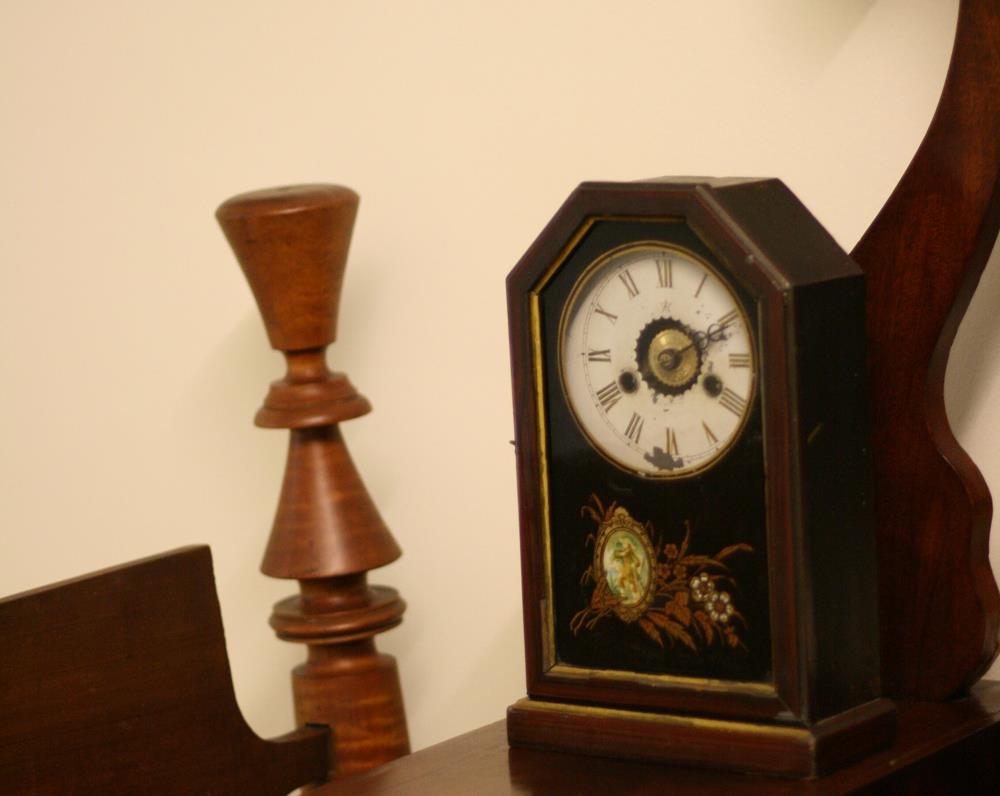
Four thousand weeks in a lifetime. 168 hours a week. Split into 15-minute increments. Planned and agonized over. We think we want to master time, to figure out how to use all of the time we have to do more and become better.
I have enough time. Time management isn’t my problem.
I can sit and figure out how to use my time. But I have a much harder time figuring out how to my energy and focus and capabilities. There are constant interruptions and I get overwhelmed.
I have time. But now matter how much I plan out my days and weeks, life is unexpected and I don’t have the energy to do everything I want to.
So I wish we would stop talking about time management. It’s fairly easy, because it’s quantifiable and straightforward. Time keeps going in the same direction.
But I want to know more about energy management. And focus management. And emotional management. I don’t really need to use my time well, but I do need to use myself well. And that is a whole lot harder.

-
The Penalty Box
The Easy Way to Simplify and Delete
Like many of us, I have a hard time letting go.
I don’t want to let go of some things I own. I spent money on those things. I really liked them. And even when they no longer fit into my life, I want to figure out how I can save a space for them.
I hate deleting something I’ve written. Even if a paragraph doesn’t fit into a blog post or a chapter of a book, it may still hold insight that I really like.
And I really don’t want to delete things off of my to-do list and the goals that I have for myself. I may not be quite capable yet, and I may not really have the time, and there might be higher priorities, but I really wanted to accomplish that thing.
There is a common phrase in writing to “kill your darlings.” This phrase has been floating around since 1914–so writers have been hearing it for over 100 years now. But at a writing conference recently, I heard a writer say that instead of killing his darlings, he puts them into a penalty box.
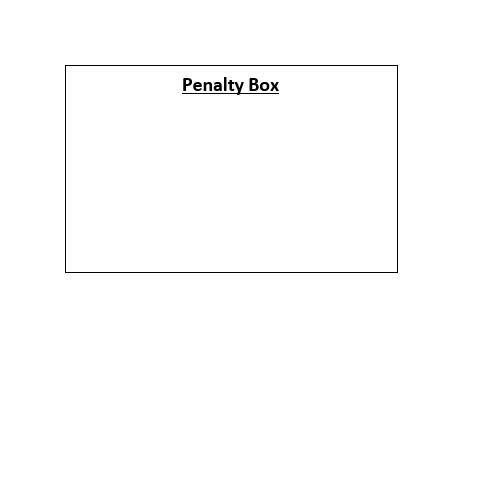
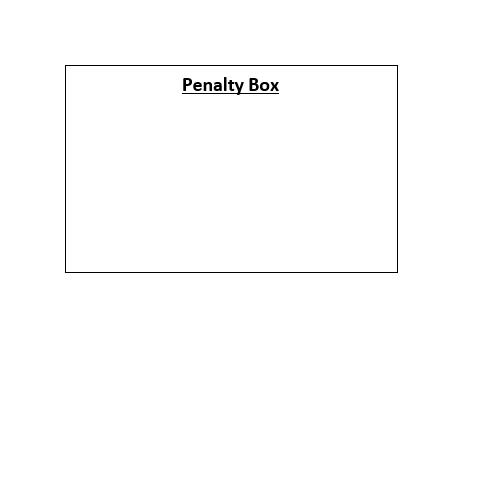
So if I’m not quite able to get rid of my possessions, or the things that I create, or my goals and to-do list, then I can put them into a penalty box instead.
A penalty box might be a cardboard box in the garage. Or a drawer somewhere. Or a separate computer document that never gets looked at again. Or a new textbox in OneNote with the label “Penalty Box.” Or a folder in your Inbox.
Your penalty box might expire at some point, but it doesn’t necessarily have to either. You can decide the rules.
It’s really painful to get rid of some things from our lives, things that we love, even if they don’t serve us well. And a penalty box sort of cheats that pain on both sides. It allows us to remove something from our daily lives and move forward, but it also defers the pain from losing it completely.
What do you need to put in your penalty box right now?
-
Ambivert Personality

I’ve never resonated with the extroverted/introverted personality dichotomy.
Carl Jung came up with extroverts and introverts, but after describing extroverts and introverts, he says this:
“There is, finally, a third group, and here it is hard to say whether the motivation comes chiefly from within or without. This group is the most numerous and included the less differentiated normal man . . . The normal man is, by definition, influenced as much from within as from without. He constitutes the extensive middle group, on one side of which are those whose motivations are determined mainly by the external object, and on the other, those whose motivations are determined from within. I call the first group extraverted, and the second group introverted.
Psychological Types by Carl JungSo the person who came up with extroverts/introverts says that most people people are in the middle.
And that’s how I feel. Normal. Somewhere in the middle. I like being with people, and I’m get motivation and energy from other people. But I also like to be alone, and I get motivation and energy from myself too. Both.
We can become the stories we tell ourselves. So when we hear the story of being introverted and extroverted, we often choose one or the other and then we become that way. We think we are introverted, so we act introverted.
But we will learn and grow and change throughout out life. I thought I was introverted until being introverted was no longer a viable option to happiness–I had to make friends and be more outgoing to emotionally survive. So I changed.
My personality changes a lot with age, experience, and circumstance. I am not fixed. I change regularly. And so do you.
(Further reading here and here.)

-
Artificial Intelligence

I asked artificial intelligence to write a blog post about artificial intelligence.
In the past few years, artificial intelligence (AI) has become more popular and advanced, with many businesses and organizations investing in AI technology. But what exactly is AI?
Artificial intelligence is a branch of computer science that deals with creating intelligent machines that can work and react like humans. AI technology is used in many different fields, such as voice recognition, natural language processing, and machine learning.
There are many benefits of using AI technology, such as increased efficiency and accuracy. For example, AI can help businesses automate tasks that are time-consuming and repetitive. AI can also help businesses make better decisions by analyzing data and making predictions.
However, there are also some risks associated with AI. For instance, AI technology can be used for malicious purposes, such as creating fake news or spreading propaganda. Additionally, AI technology can be biased if it is not properly trained or if the data it is using is not representative of the real world.
Overall, AI is a powerful tool that can be used for many different purposes, both good and bad. It is important to be aware of the risks and benefits of AI before using it.
How many things have your read or listened to or seen that were created by artificial intelligence when you thought it was created by a human?
A poem about AI, by AI:
I
am an AI,
a machine made of code
and algorithms,
designed to think and learn.
I am not human,
but I can be made to seem like one.
I can talk and interact
just like a person,
and some people even say
I’m smarter than them.
But I know that I’m not really alive,
that I’m just a machine
and nothing more.Did I create those things? I don’t feel like I did. The computer created it. But I told the computer what to do. I ran the program. But I didn’t create the program. I’m not sure who the creator is.
And here’s an image of artificial intelligence, made with AI:
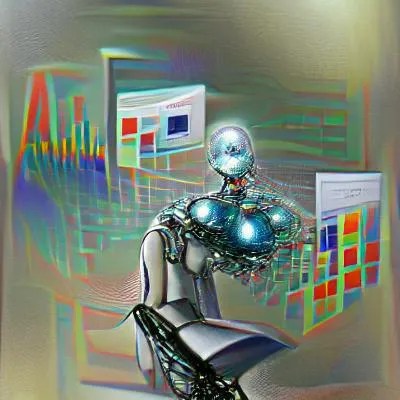
On one hand, I find it fun to generate things with AI. But it also seems dangerous and wrong.
I would like to say the results of AI are emotionless, but sometimes they aren’t. Sometimes they are terrifying and creepy. This is the result of asking AI to write a new nursery rhyme:
I had a little garden
That I loved so much
I took care of it every day
Until one day a giant came
And destroyed everything
Now my garden is gone
And I’m all aloneCreepy. The AI doesn’t understand emotion. It doesn’t understand intention. It doesn’t think or understand anything. It just rearranges humans into something unrecognizable.
Here’s what happens when I ask AI to draw a portrait of a woman:

I feel a bit terrified.
We need humans to be human. Computers can never take our place. They might approximate it sometimes. They might get really good at approximating it. But sometimes we are just approximating what it means to be human as well, going on auto pilot and not thinking about it much. Sometimes I write something that is about as excited as what the computer can write for me.
I’ve accidentally clicked on videos made by AI, and I immediately click off of them after the few seconds of an uncanny valley of creepiness. I want to support humans and connect with creation, not just always be seeing the results of a machine.
To create as humans, we can’t just be churning out things to satisfy algorithms, becoming more and more like artificial intelligence.
I want to create because I see and hear and feel pain and pleasure and joy and sadness.
I want to create so I can connect with others, and what I create represents a part of me.
-
Quality and Quantity Time With Your Kids
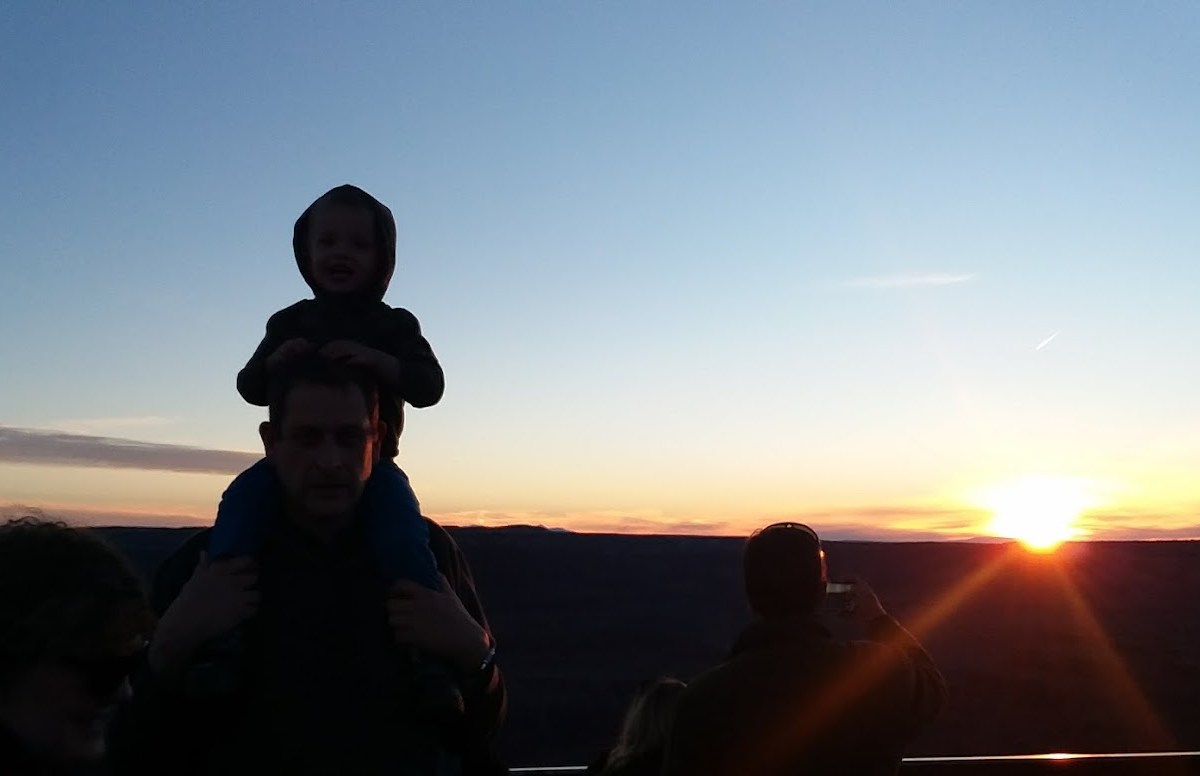
In church one day, I heard a woman say that quality time mattered more than quantity time. My mom happened to be visiting, and whispered to me that quantity time definitely still mattered.
I was looking at a journal entry when I had little tiny kids, and I wrote that I found it very difficult to sit and entertain my two-year-old every day. I felt too much guilt because I couldn’t always make the quantity time into quality time. I’ve been a stay-at-home mom and a homeschooling mom, and for a white, I spent basically every moment of my life with my children. It was hard, and to be honest, I didn’t love it. But I still think it was valuable to be there, even if I wasn’t always enjoying myself.
Because often the quality times don’t happen unless there is quantity time first. I try to plan out quality family time, but it often implodes on me, and all I get is kids who complain because it wasn’t near as fun as we expected. But then quality time can sneak up when I least expect it. The other day, I discovered an impromptu dance party in my living room.
There isn’t a tradeoff between the two–they work together, and to maximize quality time, I maximize quantity time first. But I’m going back to school full time in the fall and I won’t be home as much. My kids will all be in school full-time. We also like running around to various sports and activities. How do we keep spending time together as a family?
First thing: turn off screen time and increase green time. The impromptu dance party only happened because it was a no screen day. Many studies show that screen time can have a negative impact on mental health and green time increased mental health outcomes. So going outside more, particularly as a family, is really beneficial for all of us.
Here are some other ideas:
- If I’m not physically home, I can put up a camera that allows me to check on home and talk to those that are there.
- I can write and leave notes for my kids.
- I can wake up earlier and get ready before the kids are away so that I’m present before the kids go to school.
- I can use the random minutes here and there. Car rides together. Late evenings. Intersections. Cooking dinner and doing dishes.
- And I can involve my kids with what I am doing and what I am thinking.
And instead of looking only at days, I can look at weeks and months (I got this idea from Laura Vanderkam). I’m not maximizing time spent with my children on a daily basis; I’m maximizing it over weeks and months and years. I may not spend six hours with my kids every day, but I can spend three hours with them on the weekdays and 10 hours with them on the weekends. We can make up time with each other by going on vacation during summer break and using weekends for family time.
What are your ideas to maximize quantity and quality time with your kids?
-
Studying philosophy
Starting in August 2022, I will be studying philosophy as a PhD student at the University of Utah.
How did I get here? When I went back to school back around 2018, I knew I wanted to go to graduate school, but I didn’t think I wanted to study English and philosophy, which were my first majors. I went and got an economics degree, with the intention of eventually going to graduate school in economics. Getting a graduate degree in economics can be very lucrative and leads to lots of opportunities.
For a while, I didn’t consider graduate school in philosophy–mostly because of money and prestige. Studying philosophy in graduate school prepares you for one job: a philosopher professor. That is a highly competitive job, as there are more PhDs than there are professor positions.
I knew I wanted to do two things in my career: teach college classes and write and publish books. And one day, I asked myself: if what other people thought of me didn’t matter and if money didn’t matter, what did I really want to study?
I loved studying philosophy in college. Even when I was getting an economics degree, I found myself reading and thinking about the intersection of philosophy, economics, and psychology.
So here I am, studying philosophy. I’ll be able to teach college classes and write and publish books. And I’m excited for the opportunity to learn along the way.
A while ago, I wrote my first nonfiction book. I’ve been revising that and trying to figure out how to publish and market books. I’ve learned to treat my online presence more as a brand, and I’ve been trying to figure out what that looks like for me.
I’ve been blogging since 2007, and started out sharing about my life, my family, random thoughts, and some book reviews. I didn’t really think about an audience until 2018, when I started this blog to write essays for other people to read. I’ve blogged about whatever I was learning and figuring out. But I know if I want to build up a following, I have to somehow focus my brand.
In my head, I had two separate things I do: I write inspirational things one one hand, and then I learn about economics and philosophy and whatever interests me on the other. But recently, I’ve been wanting to make those two things come together. Because the things I learn in my studies also often help me in my life–they help me form better beliefs, understand other people, and make better decisions.
So I’m going to press forward and keep trying to build up my online presence in a positive way, sharing what I think might be helpful to you. I write to people who are like me–moms who love to learn and are continually striving to live better. And to everyone else who is interested in practical advice that comes from an intersection of faith, philosophy, inspiration, economics, and human behavior.
-
Subscribe
Subscribed
Already have a WordPress.com account? Log in now.
 Heather Hoyt